Twenty years is a long time to leave a sword in its sheath. Capcom unsheathes Onimusha with a clear decision. Rather than reinventing the series as another sprawling epic, Onimusha: Way of the Sword sharpens one idea until it cuts clean. Every clash of steel should feel personal, readable, and earned.
That restraint works because the duel sits inside a richer package than you might expect. You get a horror tinted Kyoto, a warm take on Musashi, and combat that starts spare and grows teeth across 20 to 30 hours. Some errands pad the middle. The high points hit hard enough that the padding fades fast.
Editor's Take
Onimusha: Way of the Sword revives a dormant series with rhythmic dueling, superb bosses, and a humane Musashi at its center.
Pros
- Duel focused combat with crisp parry timing
- Outstanding main bosses with distinct tactics
- Likable Musashi and strong supporting cast
- Kyoto myths woven into collectibles and hunts
- Bold RE Engine presentation and creature design
Cons
- Encounter missions feel like plain filler
- Early hours start too forgiving
- Some sub bosses repeat across chapters
- Open zone guidance can feel uneven
Game at a Glance
| Detail | Info |
|---|---|
| Platform | PS5, Xbox Series X, PC |
| Developer | Capcom |
| Publisher | Capcom |
| Genre | Character action, adventure |
| Playtime | 20 to 30 hours with side quests |
| Price | $69.99 USD (around $89.99 CAD) |
| Performance | Performance and Fidelity options on console |
| Multiplayer | No |
| Verdict | A confident revival built on duels, bosses, and heart. |
Story and World: A Horror Tinged Kyoto With a Human Core
Onimusha: Way of the Sword breaks from past continuity and plays like a fresh start. Familiar ideas return. Soul hunger, demonic invasion, a lone swordsman caught between duty and damnation. Newcomers can enter here without homework.
The setup moves fast. In Edo period Japan, Musashi faces rival swordsman Ganryu in a duel of pride. Creatures called Genma crash the fight. Both men die and wake again in torment, each bound to an Oni Gauntlet that feeds on souls. Musashi turns that cursed second chance toward rescue work. Ganryu harvests the innocent to sharpen his own power.
What lifts the tale above old series camp is tone control. Past games leaned into pulpy charm and wild time travel. This entry keeps the oddball humor but grounds it in fear. Kyoto feels occupied. Streets sit grey and choked. Shrines go quiet. Musashi often travels alone and outnumbered, taking jobs he pretends he does not want. I found that grumbling kindness disarming. He complains, then draws and stands in front of strangers anyway.
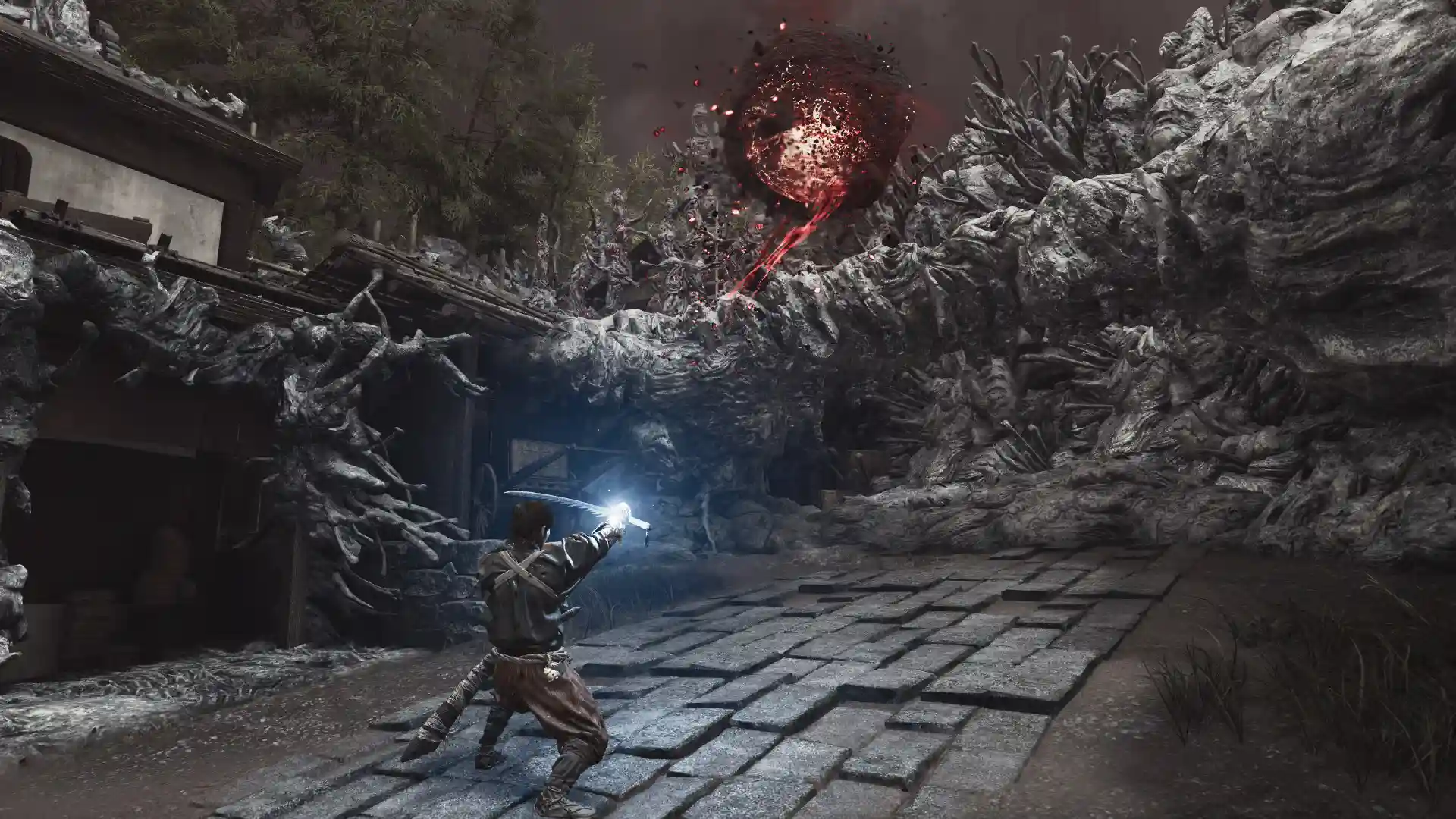
Capcom bases his face and manner on Toshiro Mifune, who once played Musashi in the Samurai Trilogy films. The estate cooperated on the portrayal, and care shows in small tics. Line reads stay dry rather than grand, which keeps Musashi believable when the plot turns operatic.
Ganryu works as a true mirror. Where Musashi hesitates, Ganryu commits. Where Musashi jokes to break tension, Ganryu laughs because tension amuses him. Each rematch changes the terms, so the rivalry grows instead of looping. Okuni stands out among allies. History remembers her as a founder of Kabuki, and here she gets a full arc with loss, resolve, and sharp comic timing. She serves as guide, conscience, and critic of Musashi and his excuses.
Kyoto itself acts as a second protagonist. Rescue Lion Dog statues scattered through districts and each one unlocks a longer myth note in the menu. That research feeds enemy design. Genma arrive as fused horrors, human torsos joined to beast limbs or masked courtiers with too many joints. A few designs made me pause and look away for a beat.
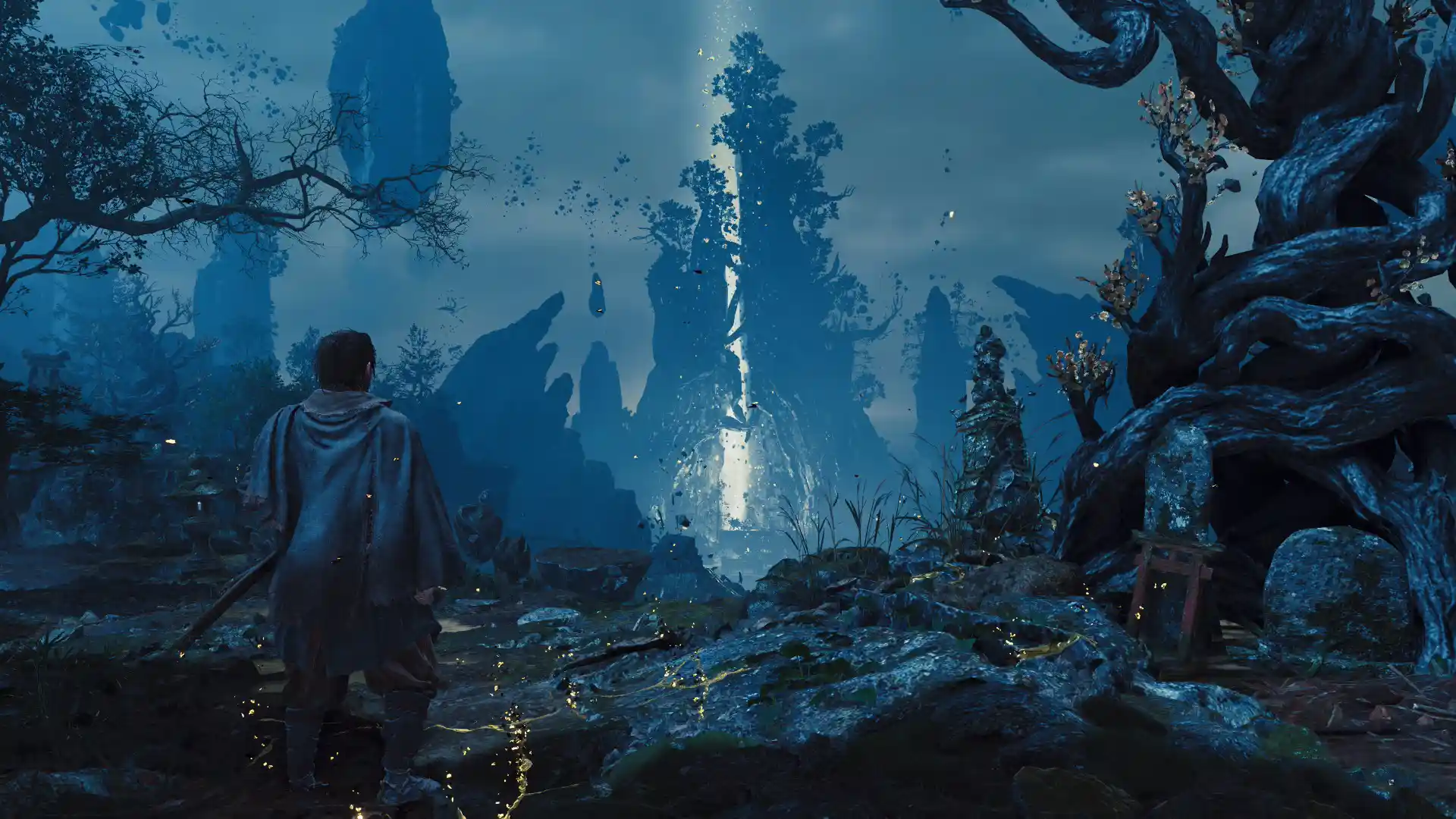
The visual arc mirrors the story. Corrupted zones drain color to ash and fog. As you purge that blight, light returns and lanterns burn warm again. Markets, alleys, and temple steps each read differently once cleansed. Canadian players can find console and PC editions through major retailers including Best Buy Canada and Amazon.ca.
Gameplay in Onimusha: Way of the Sword
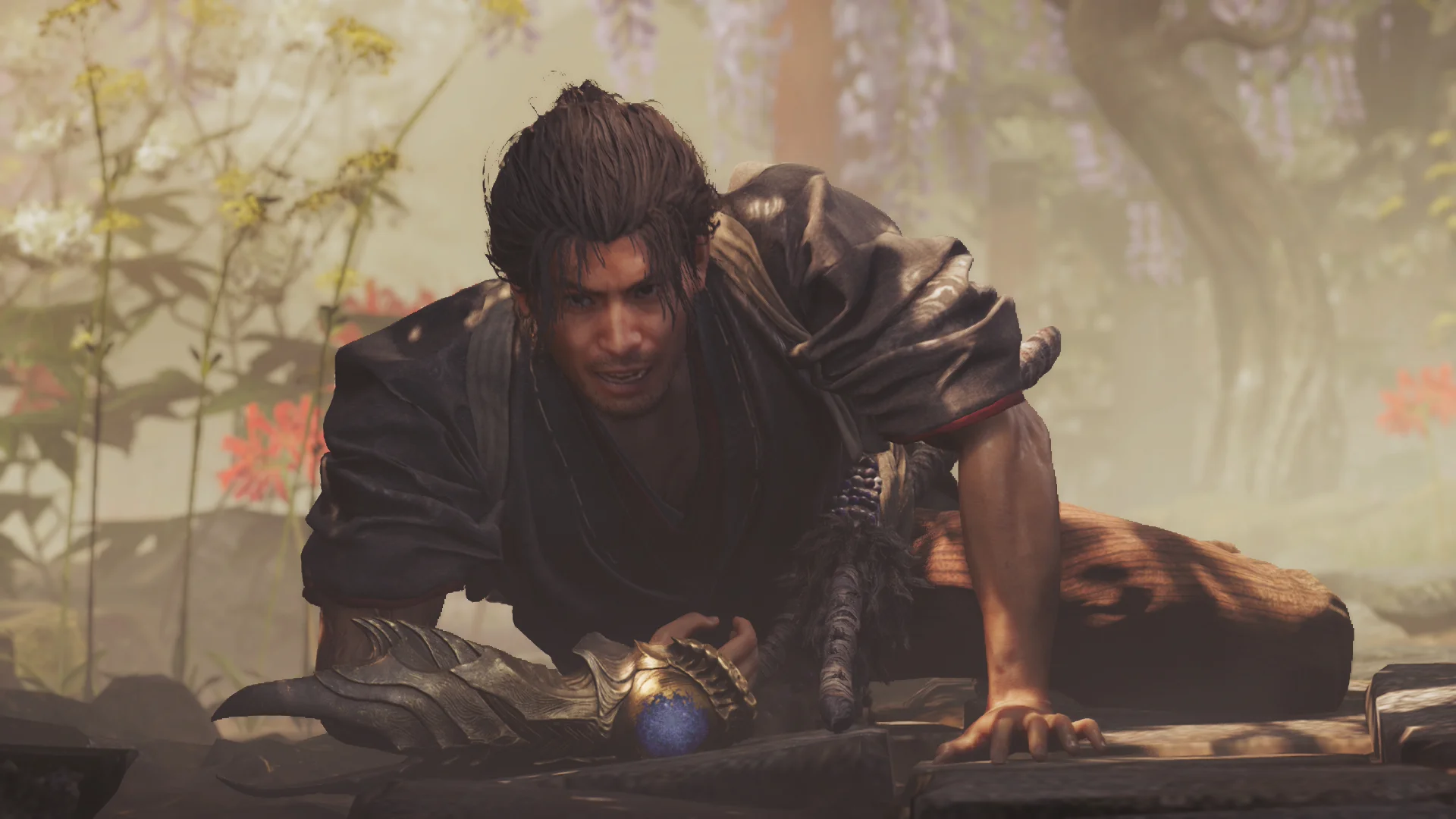
The combat thesis is simple to state and hard to master. Win the rhythm of the duel. Capcom strips the base kit to four verbs. Light slash, heavy slash, deflect, and dodge. Health and stamina bars govern both you and your foes. Drain enemy stamina and you open a brutal punish. Lose your own poise and you invite disaster.
Timing rules everything. A late deflect still blocks, but a precise deflect bursts sparks and staggers the attacker. A perfectly timed slash triggers Issen, the classic one cut kill that bisects lesser foes and carves chunks from larger ones. Windows stay tight by design. I landed Issens often against lesser Genma by hour ten, yet bosses still punished my greed when I chased the flash instead of the opening.
Inputs register fast and animation transitions stay legible even when three monsters press at once. Steel rings clean on deflects. Heavy finishers land with a low thud you sense through the controller. The game rarely needs to tell you that you timed something well. Your hands already know.
Oni Weapons, Gauges, and Movement Arts
Oni Weapons each bring a signature gauge attack and a tactical job. A spear spins a storm that controls crowds and strips stamina from grouped enemies. Paired hammers trade speed for blunt pressure and break guards that shrug off your katana. You rotate by matchup rather than loyalty to one favorite, which keeps loadout thought alive across chapters.
Progression adds movement arts that fold exploration into combat. Oni Agility lets Musashi sprint across marked walls to flank archers, plus a fast rise after knockdown. Later arts open new routes in older districts, with defensive answers arriving as enemy patterns demand them.
Enemy logic stays fair. Chimera brutes telegraph wide sweeps you should dodge rather than deflect. Fencer types invite deflect duels with clear audio tells before a rushing thrust. The game teaches through placement more than pop ups. A side lane with two fencers and one brute is a lesson in target priority disguised as an ambush.

Structure, Difficulty, and Side Content
Capcom splits the campaign between authored story stages and a central Kyoto zone packed with optional work. Main chapters push set pieces, rival duels, and lore reveals at a brisk clip. The open zone holds treasure hunts, combat trials, and character driven Mysteries that expand myths from the main path.
Mysteries justify the detours. One chain follows a cursed performer troupe. Another traces a missing priest through corrupted shrines. Key weapon ranks and gauge extensions hide behind this content, so explorers feel stronger in boss damage windows.
Encounter missions are the weak link. These shorter assignments reuse arenas with thin framing. Clear the wave. Beat the clock. They pay out materials but rarely teach a new skill or reveal story. I funded two weapon paths, then left the rest without regret. Story first players can safely skim.
Difficulty follows a deliberate slope. Early chapters forgive sloppy deflects. Mid game tightens parry windows and mixes enemy types that punish one habit play. Late game demands full literacy in stamina, gauges, and unblockable tells. Players worried after the early demo should relax. The full game builds toward real resistance.
Bosses Carry the Game to Another Level
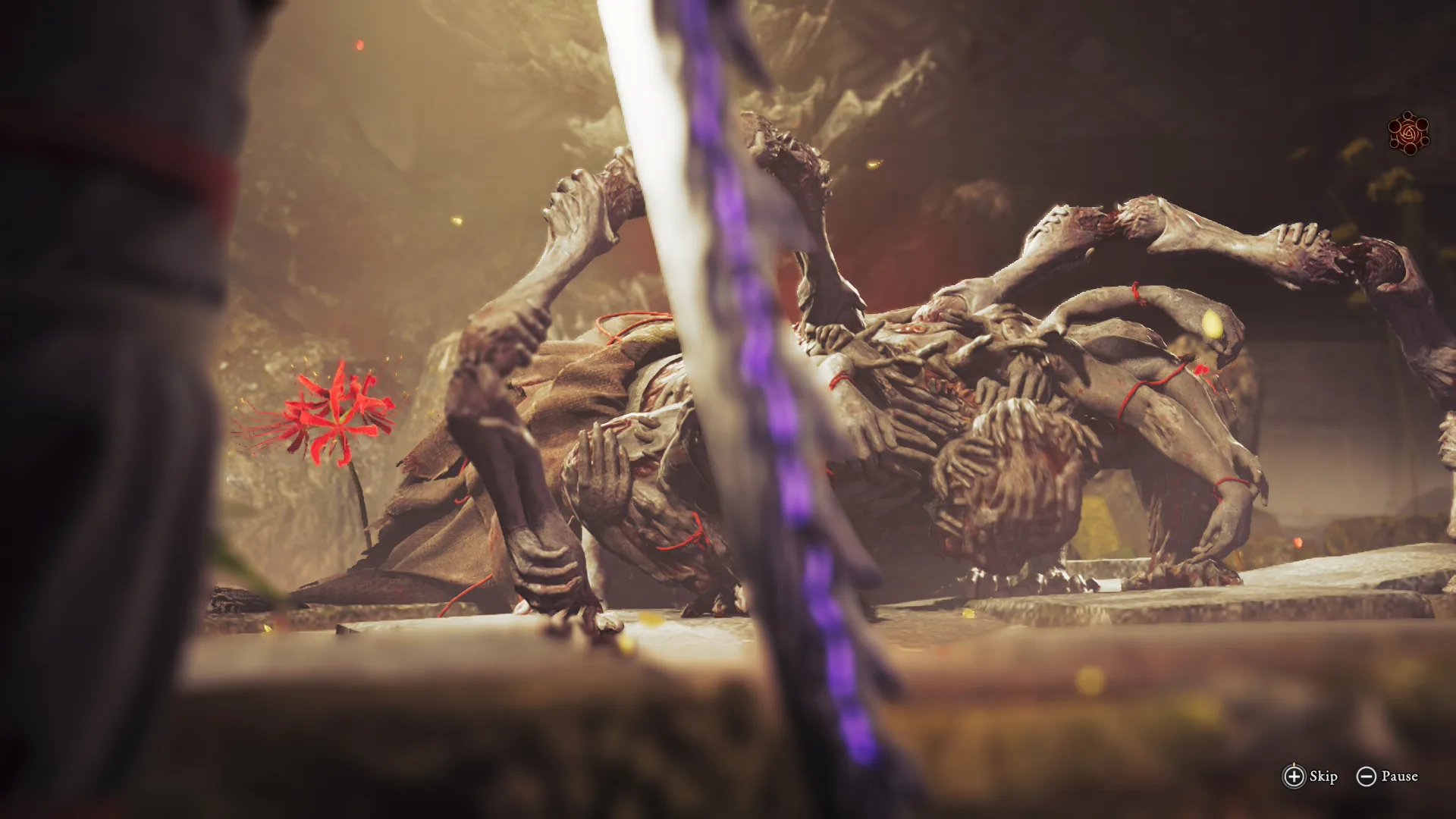
Boss design is the reason to play. Every major story boss feels staged as a finale. One warlord sheds crackling orbs with each heavy swing, forcing you to track floor hazards while holding deflect rhythm. A serpentine chimera punishes parry reliance with grabs and tail sweeps, so patient dodging wins the day. A masked courtier alternates illusion clones with true body lunges, testing target discipline more than reflex.
Ganryu duels anchor the campaign. These meetings strip away crowds and arena tricks. Just spacing, nerve, and stamina chess. Each rematch adds a wrinkle that reflects his growth, while Musashi answers with tools earned since the last meeting.
Scale grows without losing readability. Late set pieces widen the camera and fill the sky, yet telegraphs stay clean and sound cues stay ahead of damage frames. Sub bosses do repeat with new modifiers, which dulls surprise on a third appearance. Main bosses never repeat that way. Each gets one stage and makes it count.
How Onimusha: Way of the Sword Compares
| Feature | Onimusha: Way of the Sword | Sekiro: Shadows Die Twice | Kunitsu-Gami: Path of the Goddess |
|---|---|---|---|
| Combat Depth | Rhythm duels, deflects, Issen, Oni gauges | Posture duels, prosthetics, stealth | Stage defense plus direct action |
| Level Design | Story stages plus open Kyoto zone | Interconnected castle and valleys | Mission villages with day night cycle |
| Story | Musashi versus Ganryu, soul curse | Wolf and Kuro, loyalty tested | Maiden and guardian, purge the defilement |
| Side Content | Strong Mysteries, thin Encounters | Prayer beads, bosses, endings | Base upgrades, villager roles |
| Playtime | 20 to 30 hours | 30 to 40 hours | 20 to 25 hours |
| Performance | Stable console modes, sharp RE Engine detail | Locked 60 on modern ports | 60 fps focused on current consoles |
| Price | $69.99 USD | $59.99 USD | $49.99 USD at launch |
| Best For | Players who want cinematic duels with myth texture | Players who want punishing posture mastery | Players who want strategy action fusion with folklore |
Sekiro demands stricter mastery and deeper traversal. Kunitsu-Gami blends tactics with action in shorter bursts. Way of the Sword sits between them, with readable duels first and myth soaked exploration second.
FAQ: Your Questions About Way of the Sword Answered
Is Onimusha: Way of the Sword worth buying at full price?
Yes if boss driven action tops your list. The duel system, main bosses, and Kyoto atmosphere deliver a full campaign with meaningful optional depth. If you mainly play open world games for endless map tasks, wait for a sale.
How long does it take to beat Onimusha: Way of the Sword?
The main story takes around 20 hours with light exploring. Mysteries, Lion Dog rescues, and upgrades push a thorough run to 25 or 30 hours.
Do you need to play older Onimusha games first?
No. This entry works as a reboot with a standalone story. Veterans will catch thematic nods and the return of Issen timing, but newcomers miss nothing essential.
Does Onimusha: Way of the Sword have multiplayer or co-op?
No. This is a single player action adventure with no online or local multiplayer modes.
How does Onimusha: Way of the Sword run on consoles?
Console versions offer Performance and Fidelity options. Performance targets smooth action at lower resolution while Fidelity favors image clarity. The busiest open zone fights show the most strain.
When will Onimusha: Way of the Sword be available in Canada?
The game launches day one across North America on PS5, Xbox Series X, and PC. Canadian buyers can order through national retailers with CAD pricing in line with other new releases.
Verdict: Is Onimusha: Way of the Sword Worth Your Time?
Onimusha: Way of the Sword honors its roots while choosing a sharper path. The duel core stays legible from first clash to final rematch, yet mastery keeps deepening through Issen timing, stamina control, and smart Oni Weapon use. Musashi gives horror tinted Kyoto warmth without softening its menace. Thin Encounter missions and repeated sub bosses keep it short of perfect. Those flaws fade beside bosses that test every skill you built and a finale that earns its scale.