

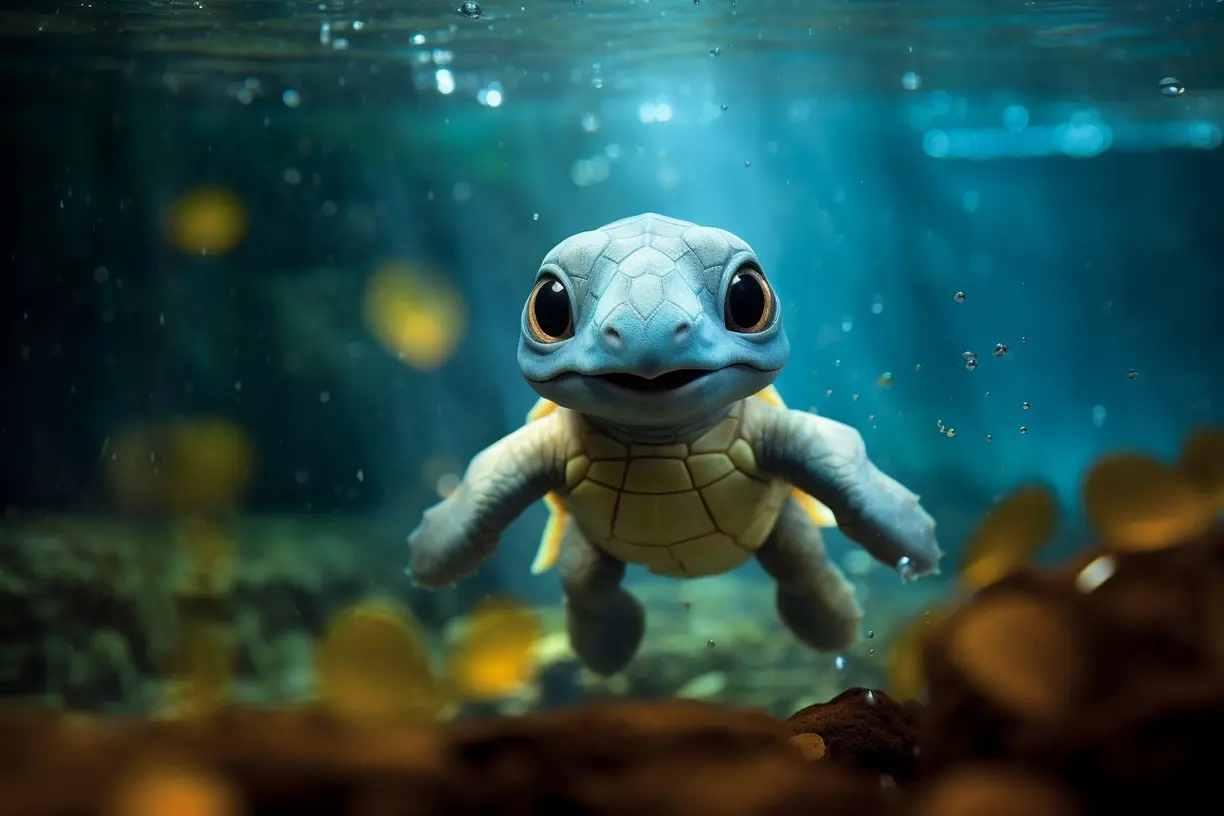

PokeNational Geographic will vanish from YouTube on May 5, 2026. Creator Elious confirmed the channel received four copyright strikes from Nintendo of America on April 28, 2026, triggering the platform's standard deletion timeline. The strikes hit within a tight 12-hour window, leaving the animator with no grace period to save years of work.
What You Need to Know
- Channel: PokeNational Geographic (about 92,000 subscribers)
- Creator: Elious (animator and director)
- Strike Date: April 28, 2026
- Deletion Date: May 5, 2026 (seven days after notice)
- Total Episodes: 25 main videos plus 14 translated versions
- Claimant: Nintendo of America
- Future Plans: No more Pokémon content; focus shifts to Elious Entertainment
PokeNational Geographic: A Creative Project Cut Short
The animation series followed Professor Ginkgo through nature films that placed Pokémon in real-world habitats. Over three years, the channel grew to about 92,000 subscribers. Each short mixed learning with high-quality 3D visuals that looked like genuine wildlife films.
“We built this to show how these creatures might act in real ecosystems,” Elious explained in his farewell post. The videos earned praise from major outlets including IGN and Nerdist for their fresh take on the franchise.
Unlike official Pokémon animations, these shorts used original models and scenes. Elious designed the project as a career portfolio while serving teachers and parents who used the clips in classrooms. The channel hosted 25 main episodes plus 11 Spanish and three Chinese translations at the time of closure.
Based on our experience covering fan projects, this level of production quality is rare. Most creators use simple 2D art or basic models. Elious built detailed environments that matched the caliber of professional nature shows like Planet Earth. The Professor Ginkgo character became a fan favorite, offering dry humor while explaining fake biology with straight-faced accuracy.
How Nintendo's Copyright Strikes Work
Nintendo of America filed four strikes within a single 12-hour window. YouTube's three-strike policy normally removes channels after three violations, making this fourth strike a fatal blow. The notices cited “audiovisual works, characters, and imagery” from official Pokémon games.
Each strike represented a separate video claim, though Nintendo filed them at the same time. This barrage prevented Elious from removing single videos to comply with earlier warnings. YouTube's system offers no protection against multiple rapid claims from one rights holder.
Elious argued that his team created nearly all visuals from scratch. The only game assets used were minor audio clips like Pokémon cries. Still, fighting a corporate giant poses huge legal risks for small creators. “I can't afford to battle their lawyers,” Elious stated.
This case joins a long list of Nintendo fan project takedowns. Other creators have faced similar fates with fan-made games, music covers, and artwork. While some companies tolerate fan works under fair use, Nintendo maintains strict control over its properties.
From what we've seen in past disputes, Nintendo rarely backs down. They owe shareholders maximum protection of their brands. This differs from studios like Sega, which often allows fan games to flourish as free marketing. Even Capcom has embraced certain fan films, provided they stay non-commercial.

The Impact on Fans and Learning
The loss reaches beyond entertainment. Teachers had woven these videos into lesson plans about biology and adaptation. One educator noted online that the Wooper episode helped teach third graders about wetlands. Parents used them to spark interest in nature among young viewers.
Parents appreciated the content because it mixed entertainment with real facts about animals and habitats. The channel served as a bridge between video games and outdoor education, helping kids connect screen time with nature.
Now Elious plans to move his efforts to Elious Entertainment, his second channel. However, he promises zero Pokémon content going forward. The PokeNational project dies with the main channel.
For fans seeking alternatives, official Pokémon documentaries remain scarce. The franchise focuses on games and anime rather than real-world nature formats. This leaves a hole that independent creators once filled.
Frequently Asked Questions
Why is PokeNational Geographic being deleted?
Nintendo of America issued four copyright strikes on April 28, 2026. YouTube removes channels after three strikes, so the fourth guaranteed deletion within seven days.
Can Elious dispute the Nintendo copyright strikes?
He could file counter-notices, but he chose not to. Legal battles against large corporations cost too much money and time for small creators.
Will the Professor Ginkgo series continue elsewhere?
No. Elious confirmed he will never make Pokémon content again. He will post new work on Elious Entertainment instead.
How many subscribers did PokeNational Geographic have?
The channel reached about 92,000 subscribers before the strikes hit.
Are all fan-made Pokémon projects at risk?
Nintendo actively protects its intellectual property. While some fan works survive, anyone using Pokémon characters, sounds, or imagery risks similar takedowns.
The PokeNational Geographic story warns creators about mixing original art with existing brands. As Elious pivots to fresh projects, fans hope his new work gains similar success without the legal shadows.
Please note that when you make a purchase through our links at GameHaunt, we might earn a small commission. This helps us keep bringing you the free journalism you love on our site! And don't worry, our editorial content remains totally unbiased. If you'd like to show some support, you can do so here.


