

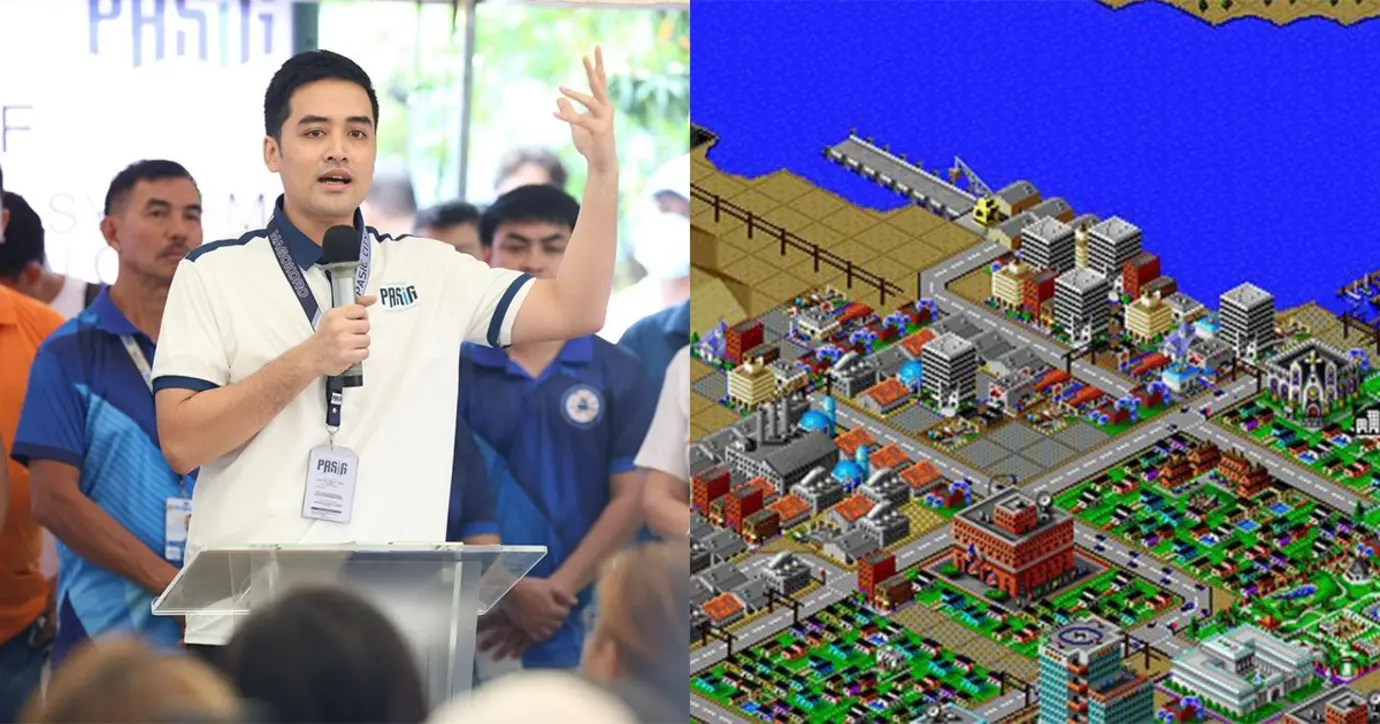

How SimCity Helped Shape a Real-World Mayor
Can playing a video game really teach you how to run a city? For Pasig City Mayor Vico Sotto, the answer is a clear yes. In a recent interview, he shared how SimCity and his older brother helped turn a childhood hobby into a real passion for government and public service. The story shows how creative play can shape a young leader's future.
Quick Facts: What You Need to Know
- Who: Vico Sotto, Mayor of Pasig City, Philippines
Source of Inspiration: The classic city-building simulation game SimCity
Key Influence: His older brother, LA Mumar, who created mock government scenarios
Background: Sotto is known as one of the Philippines' most popular young political leaders
Takeaway: Video games and sibling mentorship can spark interest in governance
A Brother's Creative Approach to Teaching Governance
Sotto recalled how his older brother, LA Mumar, played a huge role in shaping his interest in public affairs. Beyond simply encouraging him to read books about government, Mumar took things a step further. He built “manual SimCity” scenarios at home.
In these imaginative exercises, a young Vico did not just build virtual roads and zones. He acted as a mayor making real decisions for a simulated town. The sessions even included mock elections. This hands-on approach made city management feel exciting instead of boring.
From Pixels to Public Service
Sotto has talked before about his love for SimCity as a child. But this new interview adds key details about how that love grew into something bigger. Playing the game taught him basic lessons about budgets, infrastructure, and growth.
The classic city-building game forces players to balance many needs. You must manage taxes, keep citizens happy, and build police stations while fighting crime. According to Sotto, these challenges felt like puzzles. And his brother turned those puzzles into a game about leadership.
Sotto credited these experiences with helping create his approach to governance. He said the combination of the game's logic and his brother's guidance was key. It helped him see that running a city is about making hard choices with limited resources.
Why This Story Matters for Gamers and Leaders
This story offers a rare look into how a popular video game franchise can affect real-world careers. It is not just about escapism. Games like SimCity teach systems thinking. Players learn how changing one thing can affect everything else.
Sotto is not alone in this. Many leaders in tech, design, and even politics have pointed to games as early teachers. But his story stands out because it includes the role of a creative sibling. Mumar took a game and made it into a training tool.
For parents and teachers, this is a reminder. Video games can be more than just fun. When paired with guidance, they can spark real curiosity about how the world works.

Comparing SimCity to Other City-Building Games
If you are curious about city-building games yourself, you have many choices today. SimCity 2000 and the Cities: Skylines series are both great options. Cities: Skylines offers deeper water and traffic management systems. Meanwhile, the older SimCity games focus more on disaster events and zoning simplicity.
Sotto likely played early versions of SimCity in the 1990s. Those games had simpler graphics but harder challenges. Players had to read manuals and plan ahead. There were no tutorial videos or easy modes.
This comparison matters because it shows how the classic SimCity forced players to learn by failing. Mistakes meant towns burned down or went bankrupt. That trial-and-error method taught real patience and problem-solving.
The Sibling Factor: Manual SimCity at Home
The most charming part of this story is the “manual SimCity” idea. Sotto's brother Mumar did not just let him play a game. He created an offline role-playing experience. The young Sotto had to make tough choices without a computer.
This is a smart teaching trick. It made government feel like a game. Elections felt like reaching a high score. Budgets felt like managing resources in a strategy title. No wonder Sotto grew up wanting to be mayor.
He has often credited his upbringing and school experiences for guiding his approach to work. But this game-based lesson clearly left a mark. It is proof that good teaching can come from unexpected places.
What Gamers Can Learn from This
If you love strategy games like SimCity, do not ignore those lessons. The skills you build in games are real. Planning, resource management, and crisis response are all useful in real jobs.
Sotto's story is not about a game making someone successful. It is about how a game opened a door. His brother then helped him walk through it. That mix of imagination and mentorship is powerful.
For young gamers wondering about careers in public service, take note. Your hobby might be teaching you more than you think. Pay attention to what you enjoy about playing. It could point to your future path.
Frequently Asked Questions
Did SimCity actually make Vico Sotto want to become mayor?
Yes. Sotto has said the game, combined with his brother's role-playing scenarios, sparked his early interest in governance and public service.
What version of SimCity did Vico Sotto play as a child?
Sotto likely played early versions of the classic city-building SimCity from the 1990s, though he has not specified the exact title in interviews.
Can playing SimCity teach real city management skills?
Yes, games like SimCity teach systems thinking, budget management, and crisis response. However, real governance is far more complex than the game's simulation.
Is Sotto the only politician inspired by a video game?
No. Several tech and political leaders have credited games like SimCity or Civilization with teaching them early lessons about strategy, resource management, and planning.
What is the best city-building game to try today?
Cities: Skylines is the top modern choice for deep management. For a retro experience with simpler rules, SimCity 2000 is still a classic option.
Sources
Please note that when you make a purchase through our links at GameHaunt, we might earn a small commission. This helps us keep bringing you the free journalism you love on our site! And don't worry, our editorial content remains totally unbiased. If you'd like to show some support, you can do so here.


