
A New Creative Hub for Ubisoft’s Biggest Franchises
Ubisoft has unveiled Vantage Studios, a fresh creative house meant to guide some of its top brands. This is the official name for a Tencent-backed unit Ubisoft first confirmed in March. Tencent has invested €1.16 billion, about C$1.9 billion, in Vantage for a 25 percent stake. The move marks a new phase in Ubisoft’s ongoing effort to reshape how its games are built.
The Scope and Key Players
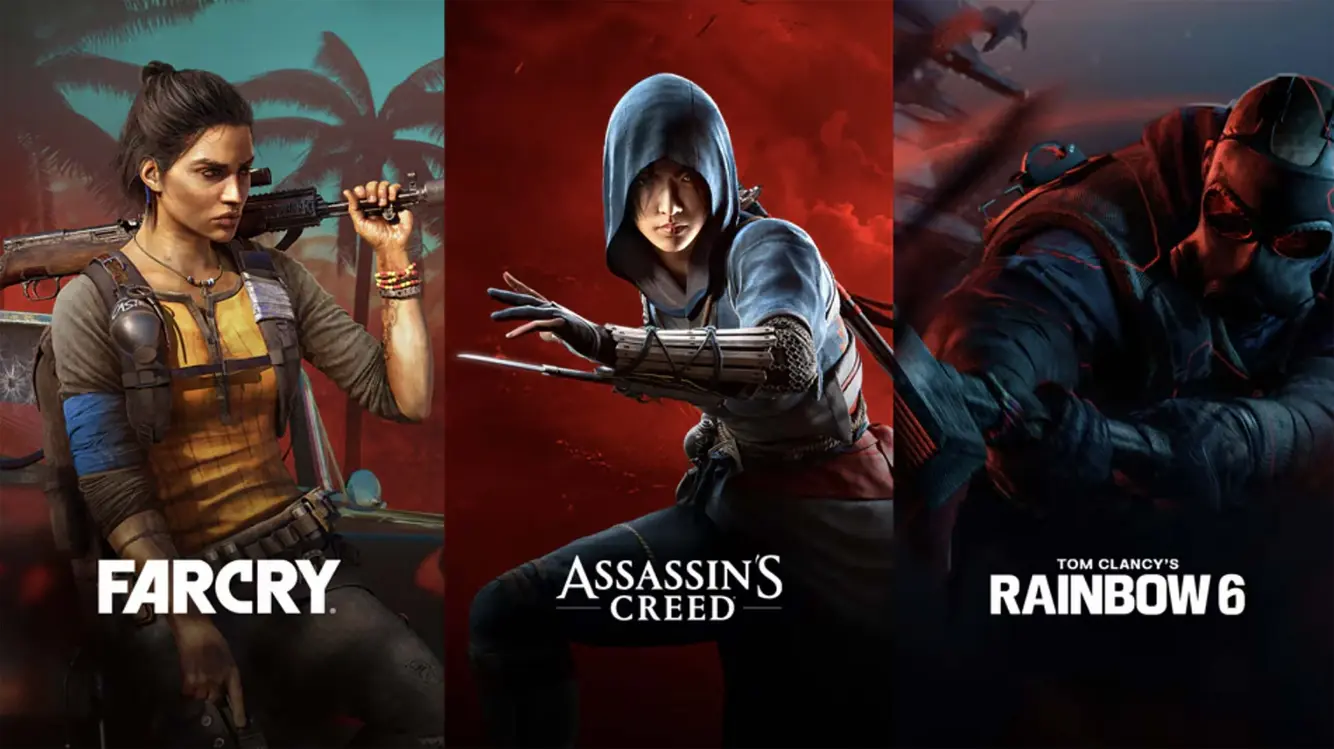
Vantage will oversee major series like Assassin’s Creed, Far Cry, and Rainbow Six. Five Ubisoft studios will be part of the umbrella: Montreal, Quebec, Sherbrooke, and Saguenay in Canada, plus Barcelona in Spain. The studio is led by Christophe Derennes and Charlie Guillemot, the latter being the son of Ubisoft co-founder and CEO Yves Guillemot. The setup aims to keep a strong link between game creators and the brands they’re building.
A Different Way to Build Games
Ubisoft says Vantage is meant to give developers more hands-on influence over their projects. The company frames it as a streamlined path that boosts autonomy and speeds up how player feedback shapes games. At the same time, teams can tap into Ubisoft’s vast tools, services, and tech. In short, Vantage is pitched as a way to run projects with more speed and more direct input from makers, without losing the backing of a large publisher.
A Start, Not the End, of a Bigger Change
Ubisoft calls Vantage a first step in a larger shift. The plan includes creating additional creative houses that group brands under a shared DNA and common development know-how. This isn’t just a rebrand; it’s a reorganizing push designed to make ideas move faster from concept to polish.
What This Means for Ubisoft’s Canadian Teams
Around 2,300 employees across the Vantage studios are said to be part of the new structure, according to Eurogamer. That figure covers only the staff tied directly to Vantage; it isn’t all the people working at those studios. For example, Ubisoft Montreal remains the company’s largest studio, with roughly 4,000 employees on titles beyond Vantage. Montreal has multiple projects outside the Vantage umbrella, including a remake of Prince of Persia: The Sands of Time.
How the Studio Map Looks Today
Ubisoft Montreal is a powerhouse behind many games, not just the big three in Vantage. It has contributed to Watch Dogs, Splinter Cell, For Honor, and Child of Light, among others. Ubisoft Quebec recently released Assassin’s Creed Shadows, while Sherbrooke, Saguenay, and Barcelona teams provide support across various projects. Notably, Vantage does not include Ubisoft Toronto, which worked on Star Wars Outlaws and is steering the Splinter Cell remake, or Sweden’s Massive Entertainment, the studio behind The Division series and Outlaws. It remains unclear how these studios fit into the broader plan as Ubisoft expands its creative houses.
Industry Ripples and Possible Shifts
This move comes as Ubisoft faces a changing business climate. The company has weathered slower sales and questions about future ownership. Tencent previously held about 10 percent of Ubisoft, and investors have watched for signs of a broader sale. The Vantage setup suggests Ubisoft is pursuing a staged reorganization rather than a rapid takeover, keeping Tencent as a partner while it reshapes internal workflows.
Broader Industry Context
The gaming world is watching similar patterns elsewhere. Electronic Arts is moving toward going private in a blockbuster, $55 billion deal led by Saudi Arabia’s Public Investment Fund and U.S. partners Silver Lake and Affinity Partners. EA owns several Canadian studios as well, so this kind of corporate shift could affect local teams down the line. The landscape is changing fast, and Ubisoft’s new creative house approach is part of a larger trend of big players rethinking how they publish, fund, and structure game work.


What to Watch Next
The Vantage experiment will reveal how a Tencent stake and a focused group of studios can shape a major launch cadence. If the plan holds, Ubisoft could roll out more creative houses tied to different brands or regions. The goal is to blend fast, developer-led creativity with the support and scale of a global publisher. Fans will be watching to see if these changes translate into better flow, clearer visions, and stronger, more polished games.
On the Ground, Day to Day
For players, the shift means smoother updates and more consistent feedback loops from teams. It could also mean shorter waits from ideas to action, especially on big titles that players care about. The balance of autonomy with Ubisoft’s resources will be crucial. If Vantage delivers on its promise, fans may see faster, better-tuned entries in Assassin’s Creed, Far Cry, and Rainbow Six.
Please note that when you make a purchase through our links at GameHaunt, we might earn a small commission. This helps us keep bringing you the free journalism you love on our site! And don’t worry, our editorial content remains totally unbiased. If you’d like to show some support, you can do so here.