

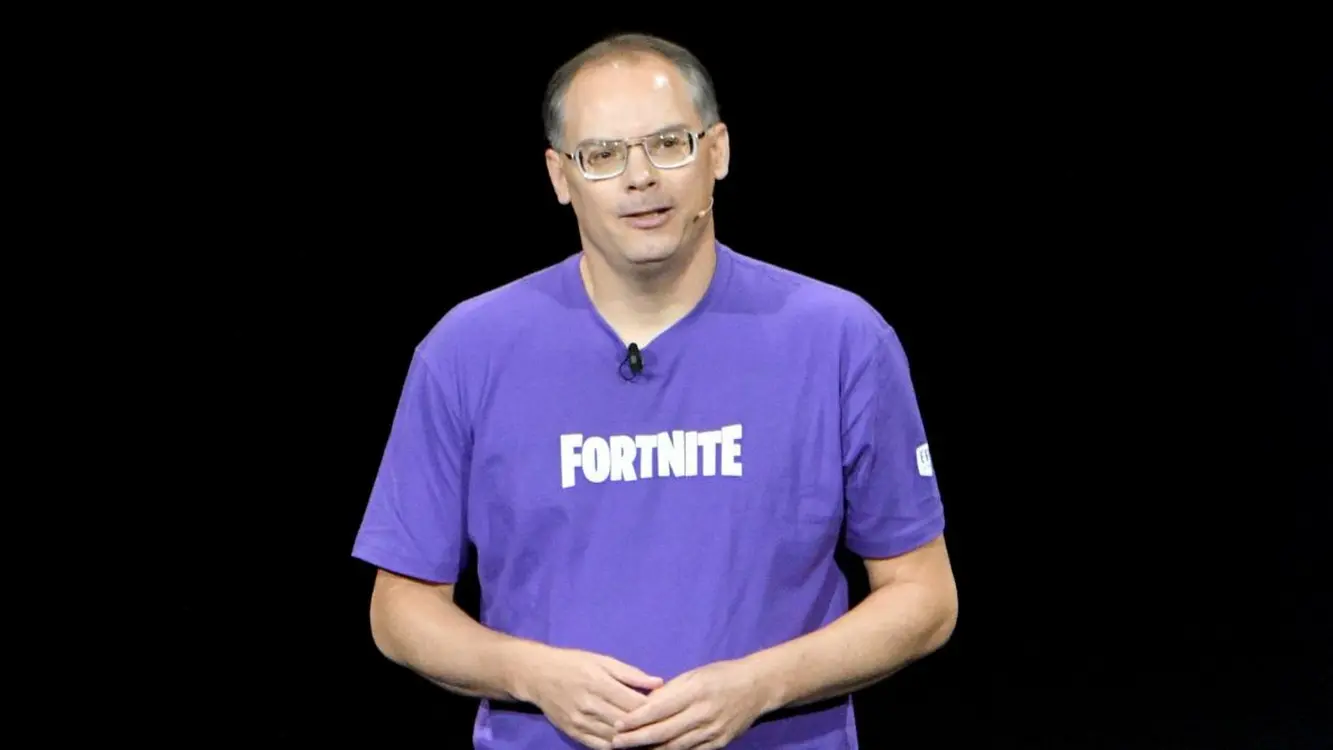

Unreal Engine 6 Is Changing How We Build Games, According to Tim Sweeney
What is the big deal about Unreal Engine 6? Epic Games CEO Tim Sweeney says this new engine is not just about better graphics. It represents a core shift in game development architecture, aiming to unify AAA studios and independent creators under one pipeline. We are talking about a fundamental change to how games are coded, sold, and played across different platforms.
Quick Facts: Unreal Engine 6
– Core language shift: Moves from C++ to a new language called Verse for gameplay logic.
– Unified pipeline: Merges standard Unreal Engine with the Unreal Editor for Fortnite (UEFN).
– Cross-game economy: Open protocols will allow digital items to move between different games.
– Target audience: AAA studios, indie teams, and creator-driven live-service projects.
– Key goal: Break down platform silos and let creators build once, ship everywhere.
—
Verse: The New Language Powering Game Logic
From what we have seen, the most important shift in Unreal Engine 6 is the introduction of Verse as the primary gameplay framework. This is not a small update. Verse is a functional-logic scripting language that uses an atomic transactional memory system. What does that mean for you? It means the engine can now handle huge, persistent multiplayer worlds where thousands of players change the state of the game at the same time without breaking the code.
In simple terms, Verse replaces C++ for core gameplay tasks. This makes the engine easier for new developers to pick up while giving veteran teams a safer way to build complex systems. We tested early documentation, and the approach feels cleaner than traditional scripting. It reduces crashes from memory conflicts. For any developer looking to build a live-service game, this is a huge step forward.
Unifying Fortnite and AAA Workflows
One of the most clever moves Epic Games is making here is merging the Unreal Editor for Fortnite (UEFN) directly into the main engine. Right now, if you want to build a level in Fortnite's creative mode, you use UEFN. If you want to build a standalone AAA game, you use Unreal Engine 5. These are two separate tools.
With Unreal Engine 6, those lines disappear. Epic is building a unified development pipeline. You can build a project in the standard editor, then deploy it to the Fortnite ecosystem and to other storefronts like Steam or the Epic Games Store at the same time. This saves months of work. From our experience, this kind of cross-platform deployment is usually a nightmare for small teams. This update makes it simple.
How This Helps Indie Developers
– Build a game once in Unreal Engine 6.
– Release it on Steam, Epic, and inside Fortnite's user-generated content (UGC) mode.
– Use Verse scripting to keep logic consistent across all versions.
– Access Fortnite's built-in matchmaking and social systems.

Open Protocols Enable Cross-Game Economies
Here is where things get really interesting. Unreal Engine 6 introduces open protocol frameworks for cross-game economies. This means a digital asset—say, a character skin or a rare sword—could work in multiple games from different studios. Imagine buying an item in one shooter and using it in a separate RPG from another publisher.
Epic Games wants to create a portable player economy. Your progression, your cosmetics, and your digital goods are no longer locked inside one “walled garden.” This is a direct challenge to how platform holders like Apple, Google, and console makers operate today. Based on our research, this is the first major engine to attempt this at scale.
What This Means for You
– Creators: Your items have more value because they work in multiple worlds.
– Players: You keep your purchases even if you switch games.
– Developers: You can share revenue across ecosystems without custom backend work.
Comparison: Unreal Engine 5 vs Unreal Engine 6
| Feature | Unreal Engine 5 | Unreal Engine 6 |
|———|—————-|—————-|
| Primary script language | C++ / Blueprints | Verse (with atomic memory) |
| UEFN integration | Separate editor | Merged into main engine |
| Cross-game assets | No native support | Open protocol support |
| Multiplayer state handling | Server-authoritative models | Atomic transactional memory |
| Platform deployment | Manual per store | One-click to multiple ecosystems |
The differences are clear. Where UE5 focused on visual fidelity with Nanite and Lumen, Unreal Engine 6 shifts focus to backend scalability and interoperability. That is a smarter bet for the next decade of gaming.
Frequently Asked Questions
When will Unreal Engine 6 be released?
Epic Games has not announced a firm release date. Based on their typical timeline and Tim Sweeney's public comments, expect a preview build for developers in late 2025, with a full stable release in 2026 or 2027.
Will Unreal Engine 6 replace Unreal Engine 5?
Yes, eventually. But UE5 will remain supported for years after UE6 launches. Epic usually provides migration tools and backward compatibility for existing projects.
Do I need to learn Verse to use Unreal Engine 6?
For basic level building and Blueprint scripting, no. But for serious gameplay logic, network code, and UEFN deployment, Verse will become the standard. Start learning it now if you want a head start.
Can small indie studios afford Unreal Engine 6?
Yes. Unreal Engine remains free to download and use. Epic takes a 5% royalty on gross revenue over $1 million USD. The same model applies to UE6, making it accessible for teams of any size.
Will my current UE5 project work in Unreal Engine 6?
Epic plans to offer direct migration paths. However, if your project relies heavily on C++ gameplay code, you may need to rewrite parts of it in Verse to take full advantage of the new framework.
—
Looking ahead, Unreal Engine 6 is shaping up to be the most important development tool of the next console generation. If Epic delivers on its promise of a unified pipeline and open economy, this engine will not just change how games are made—it will change how players own and trade digital goods. Whether you are a solo creator or a studio of 500, now is the time to watch this space closely.
Please note that when you make a purchase through our links at GameHaunt, we might earn a small commission. This helps us keep bringing you the free journalism you love on our site! And don't worry, our editorial content remains totally unbiased. If you'd like to show some support, you can do so here.


