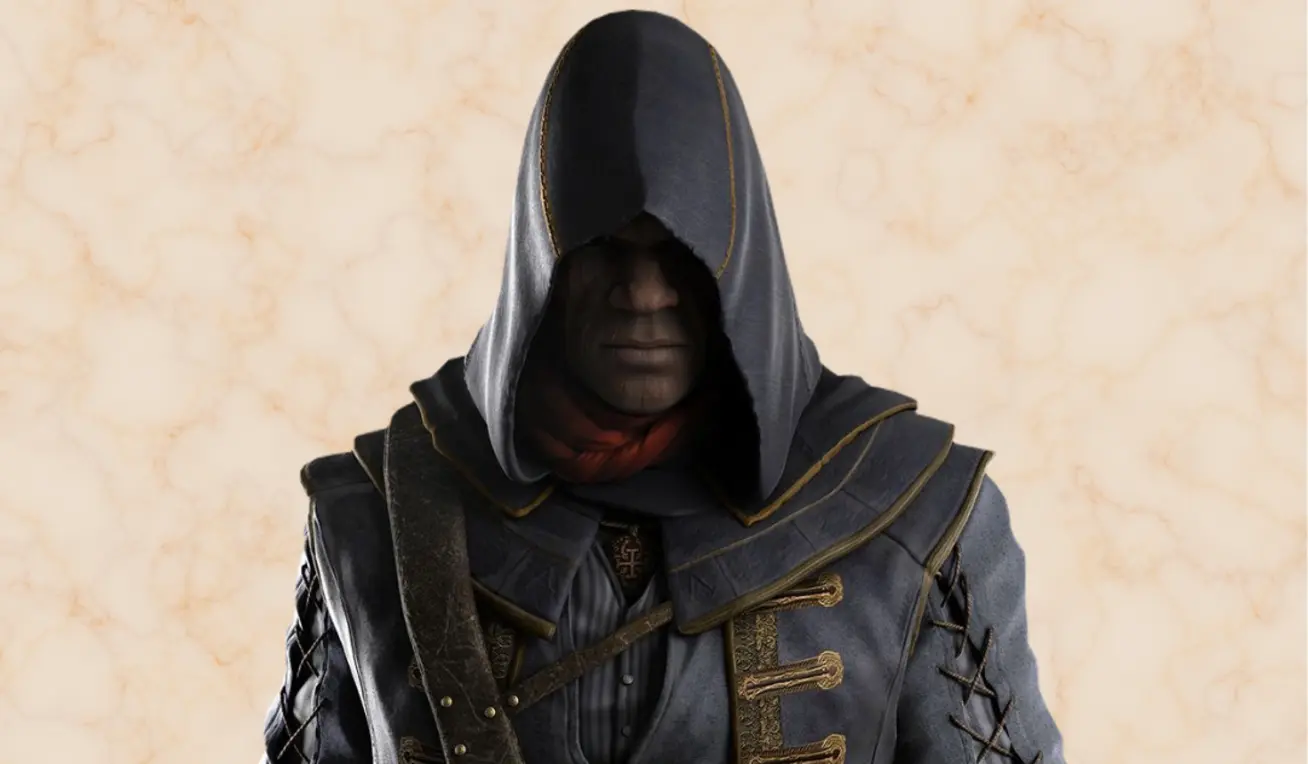

Ubisoft reportedly cancels Reconstruction-era Assassin’s Creed concept
In 2024, word spread that Ubisoft quietly shelved a bold Assassin’s Creed idea set in the Reconstruction period after the American Civil War. A report from Game File highlights that the publisher saw this project as too touchy for today’s climate. The plan would have followed a former enslaved Black man who joins the Assassins. His path would lead him back to the South to confront a wave of white supremacist violence, including clashes with the growing Ku Klux Klan.
According to several insiders, two main forces pushed the pause button. First, the online backlash to Yasuke as a Black lead in Assassin’s Creed Shadows made Ubisoft wary of public response. The furor around that character seems to have left executives nervous about how fans would react. Second, internal leaders judged the U.S. political mood too volatile for such a story. One source summed it up with a blunt line: “Too political in a country too unstable.”
The project had a green light early on and gained some development traction, but it never moved beyond the concept stage. Ubisoft’s Paris office reportedly halted work in the middle of 2024. The idea wasn’t dropped gradually; it was stopped once officials decided not to push forward.
Right now, the cancellation appears permanent for the near term. The mix of public debate, internal caution, and Ubisoft’s financial pressures makes revival seem unlikely. Still, the world of games can surprise. If Ubisoft sees a calmer political climate or faces fewer risks, the idea could be revisited in a revised form.
A look at what might have been
The imagined game would have placed players in the shoes of a man who once lived as a slave. He would join the Assassins to fight for freedom and the right to live without fear. The journey would drive him into the heart of the South, where he would face a rising tide of violence and bigotry. The story would tap into the era’s raw tensions, revealing how communities fought back and how power shifted in the years after the war.
This concept fit with Ubisoft’s ongoing interest in weaving real history into its fictional worlds. It would have mixed stealth and action with a strong thread of social struggle. The team wanted to explore how a member of a marginalized group navigates danger, loyalty, and a life on the line for others.
Yet the core challenge was clear. The team needed to tell a story that respects history while offering a gripping game. Balancing the weight of Reconstruction-era drama with accessible gameplay can be tricky. There’s a line between thoughtful storytelling and a lesson, and it’s easy to misstep.
Why the project didn’t move forward
The decision was not about a lack of interest. It came down to timing and risk. In a world where public opinion can shift quickly, the team faced pressure to avoid a topic that could spark more debate than action. The leaders cited the current political climate as a reason to pause. This is a point that makes sense in a market where safe bets often win more room for experimentation.
A second factor was the broader business climate at Ubisoft. The publisher has to weigh how much money goes into a title that may spark strong reactions. When a game treads into sensitive history, it carries more risk than a lighter take on a familiar setting. The mix of controversy and cost can lead to a flat decision: pause now, revisit later, or drop the project.
Although some at the studio might have believed in the idea, top brass in Paris chose to pull the plug. The citation here is clear: the team did not see a clear path to success that would justify the risk. It’s a sober reminder that big ideas can stall when the political and financial weather turns unfriendly.
Could it return someday?
Nothing is set in stone forever in game development. If the climate changes and risk drops, Ubisoft could revisit the concept. A revised version might shift the focus or scale down the scope to fit a safer moment. The company has shown it can rethink ideas and still deliver strong experiences.


Still, the outlook isn’t bright. Current pressures and the memory of a controversial reaction make many cautious voices. It’s unlikely the project will return soon, but a future remake with new goals and a tighter message isn’t impossible.
What this means for Assassin’s Creed
This episode highlights how flexible the Assassin’s Creed universe remains. The franchise has tackled many eras, from pirate ships to ancient cities. The Reconstruction idea reflected a willingness to tackle painful history and show how resistance and courage shape a people’s story. Even when a specific project ends, the broader ambition to explore underrepresented moments stays alive.
For fans, the story serves as a reminder: history can inspire games, but it also demands careful handling. Studios must balance curiosity with care, storytelling with context. The road to a thoughtful, engaging title is never a straight line, and sometimes it means pausing to listen to voices outside the studio walls.
If Ubisoft pushes forward again on this front, it could offer a game that educates as it entertains. It would need a clear message, solid design, and a plan to keep the game accessible to a wide audience. Until then, the idea remains a note in the ledger of what-if stories in the world of Assassin’s Creed.
Please note that when you make a purchase through our links at GameHaunt, we might earn a small commission. This helps us keep bringing you the free journalism you love on our site! And don’t worry, our editorial content remains totally unbiased. If you’d like to show some support, you can do so here.