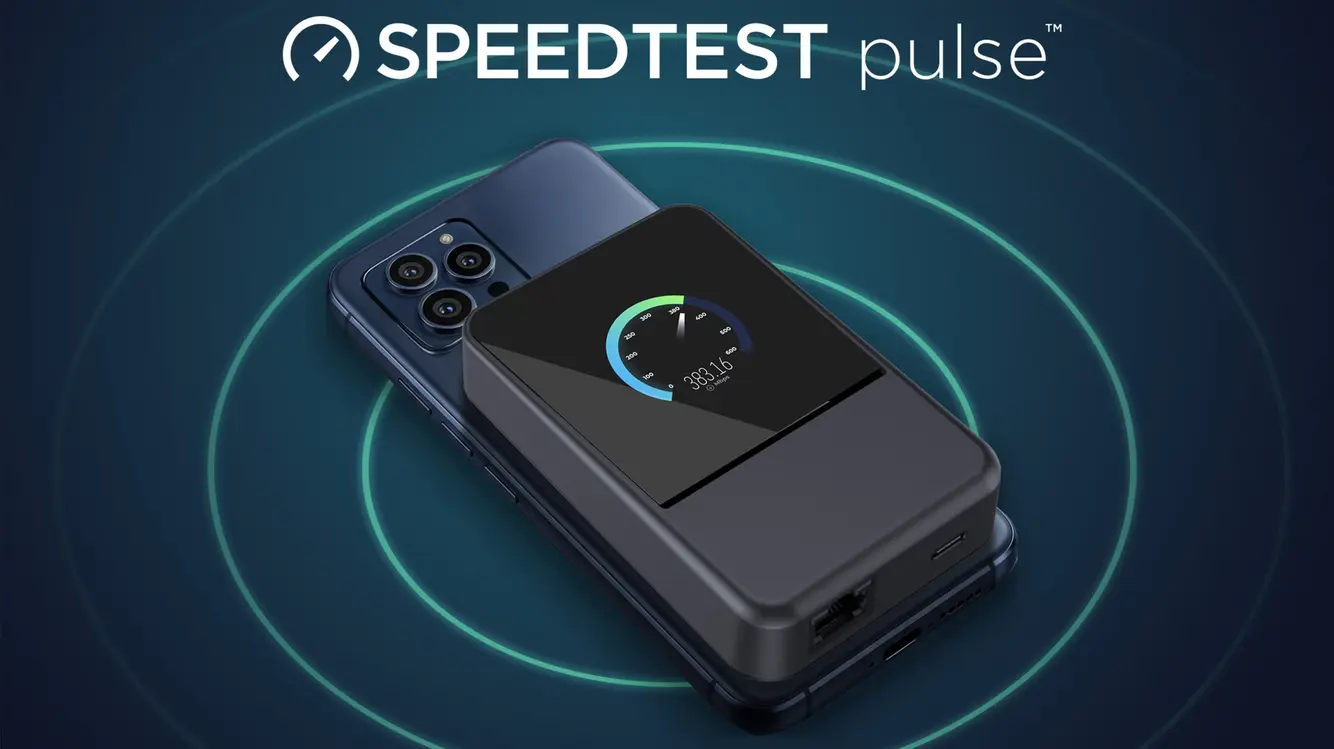

Speedtest Pulse: Ookla’s newest tool to hunt down Wi‑Fi gremlins
Ookla, the company behind Speedtest, is rolling out a new gadget to spot Wi‑Fi problems.
Speedtest Pulse aims to verify how well a network performs and show where issues begin.
The goal is to catch faults in the home line or the Wi‑Fi setup.
The device links with a smartphone app to share results, starting with a wired connection.
Later, Pulse can switch to Bluetooth, broadening its options for use.
It can also attach to a MagSafe‑compatible phone, making it easy to keep on hand.
What Speedtest Pulse does and how it works
Pulse is a compact diagnostic tool from Ookla.
It pairs with the Speedtest app to reveal real data about your network’s health.
The device helps technicians figure out if the issue sits in the Wi‑Fi or the incoming line.
By turning numbers into clear guidance, Pulse makes fixes easier to plan.
A wired connection is required at launch, with wireless use coming later.
Two modes, two jobs
Active Pulse runs a quick, one‑time check after a new install.
Technicians can use it to confirm service quality or find router setup flaws.
This mode can signal problems with the inbound service or with specific devices.
Pulse translates technical data into practical steps for the repair crew.
Continuous Pulse will arrive next year as a longer, “leave‑behind” testing mode.
It collects data over time to spot intermittent faults and slowdowns.
That continuous view can cut down on repeat visits by showing patterns.
In short, it can reveal issues that vanish when someone is watching.
Anecdotes about real‑world fixes
A personal example helps show why Pulse matters.
Back when I lived in Whitby, my home internet would cut out now and then.
When a tech showed up, they offered a quick, local reason and left.
The real cause stayed hidden, and the problem came back.
Having Pulse in the field would have helped trace the true fault sooner.
A device like this makes it easier to pin down what’s really going on.
Who gets Pulse first and where
Ookla says Pulse isn’t on sale to everyday customers yet.
The initial push is toward businesses and internet service providers.
Canada will see the device in the market first, as the rollout begins there.
Pricing is described as aggressive, but exact numbers aren’t public yet.
No consumer launch date has been shared, but the plan points toward broad availability later.
Why this could change how we fix home networks
For many homes, Pulse could speed up repairs by showing the real fault.
Techs would spend less time guessing and more time fixing the actual issue.
If you have a stubborn dropout, Pulse might reveal the missing link.
Long‑term data from Continuous Pulse gives a clearer view of performance trends.
Small ISPs and repair teams could use Pulse to tighten service and cut guesswork.


Where to learn more and what to watch for
If you want more details, check Ookla’s official Speedtest Pulse page.
The tool’s progress should shape how field techs handle home networks.
As the system expands, expect more hands‑on reports from service crews.
Keep an eye on how Pulse shapes fixes for noisy homes and flaky connections.
What this means for readers is simple: better clues mean faster fixes.
The aim is clearer visibility into where things break and how to repair them.
Speedtest Pulse signals a shift toward data‑driven home networking support.
If the rollout reaches mainstream users, households could see shorter repair waits and steadier connections.
Please note that when you make a purchase through our links at GameHaunt, we might earn a small commission. This helps us keep bringing you the free journalism you love on our site! And don’t worry, our editorial content remains totally unbiased. If you’d like to show some support, you can do so here.