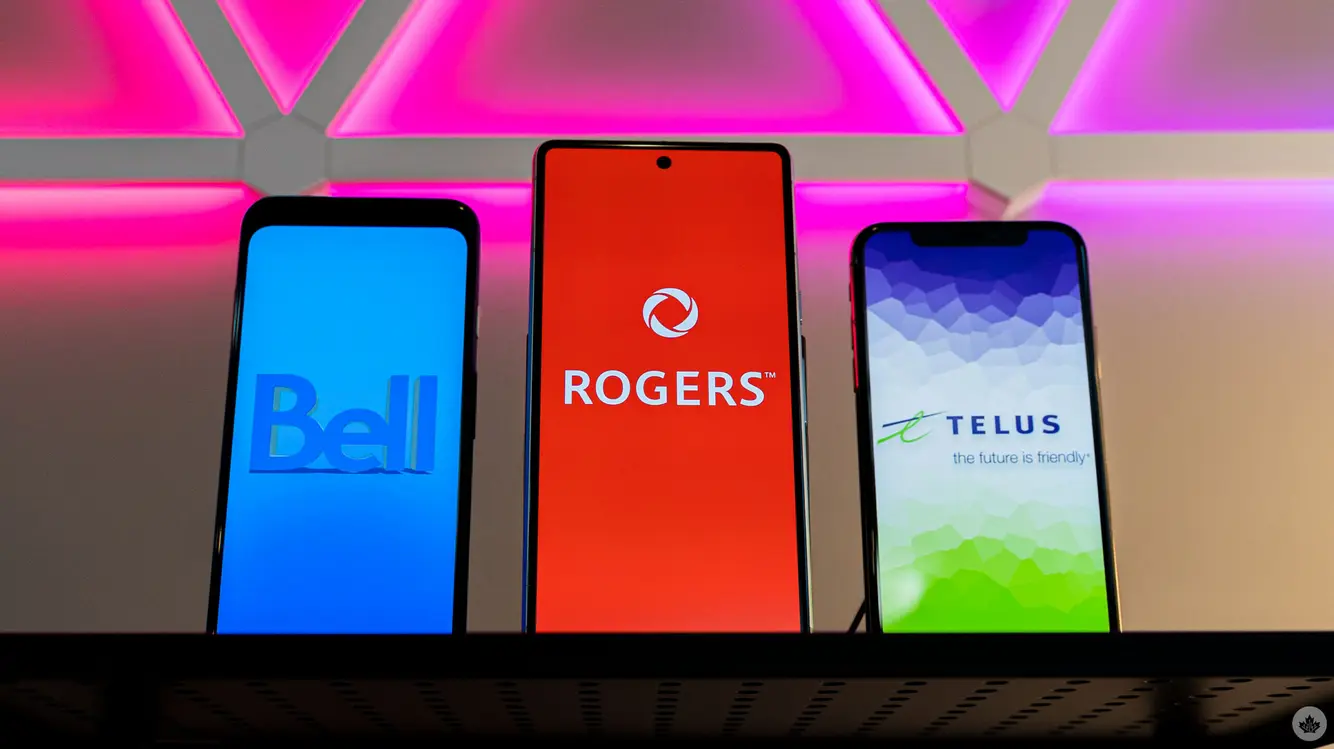

Canada shines in OpenSignal’s 5G awards lineup
Canadian giants Telus, Bell, and Rogers grabbed honors in OpenSignal’s 5G Global Mobile Network Experience Awards. This comes not long after Rogers claimed nine wins in the August report. OpenSignal’s data for 2025 highlights a strong showing from Canadian networks across several metrics.
OpenSignal’s findings place T-Mobile at the top in one big category. The focus was large-area download speed, and T-Mobile earned the global winner tag there. Telus and Bell were not far behind, earning global leader recognition alongside carriers from the United States, Australia, Italy, and Norway. The spread shows how global players stack up against domestic teams in real-world use.
Speed leaders and who leads global lists
In the hurry to grab the fastest downloads over wide areas, T-Mobile is named the large-area global winner. Telus and Bell still sit among the world’s leaders, proving Canada can rank with big-name networks in key speed tests. These results tie Canadian players to a broad group of top flags from across the globe.
OpenSignal also breaks out its leaders by category. In the 5G Reliability 2025 group, Telus, Bell, and Rogers are recognized as global leaders alongside major carriers from other regions. It’s a stamp that main networks in Canada stay competitive when the goal is steady connections and fewer drops.
Voice, games, and more across the awards
Australia’s networks topped the 5G Voice App Experience category, taking the final prize in that section. Telus, Rogers, and Bell joined the global leaders in this same category, alongside giants like Vodafone, Telenor, and O2. The mix shows how voice apps have become a shared space for global tech players, with Canada staying in the discussion.
For 5G video experience, the field looks different. DIGI, Telenor, Tele2, and DNA earned global wins in this area. Rogers stood out as the only Canadian carrier to reach the global leaders tier in video. The performance underscores how video quality depends on many factors, from network density to how carriers handle streaming traffic.
AT&T earned the Global Rising Star tag in this landscape, signaling strong potential and rapid improvement. The label points to networks that are climbing quickly, bringing better experiences to more users as 5G builds out.
What the results mean for everyday users
Taken together, the OpenSignal awards paint a clear picture. Canadian networks are steadily improving in speed, voice, and video quality. While T-Mobile dominates large-area speeds, Telus, Bell, and Rogers show they can compete at the global level across multiple tests. The latest numbers indicate better reliability and smoother streaming as 5G rolls out more bands and cores.


For users, the takeaway is simple: where you live still matters. Availability, network density, and local build-out can shift how you experience 5G day to day. OpenSignal’s reports help map that reality, so shoppers and fans can see which carriers perform best in real-world use. The results also show that competition between nations is heating up, with global leaders sharing the stage with strong regional performers.
As more 5G features land—new apps, lower latency, and richer video—the value of these independent measurements grows. People want fast downloads, solid calls, and clear video, all without big hiccups. OpenSignal’s ongoing testing keeps the focus on what matters most for everyday gaming, streaming, and mobile work.
Please note that when you make a purchase through our links at GameHaunt, we might earn a small commission. This helps us keep bringing you the free journalism you love on our site! And don’t worry, our editorial content remains totally unbiased. If you’d like to show some support, you can do so here.