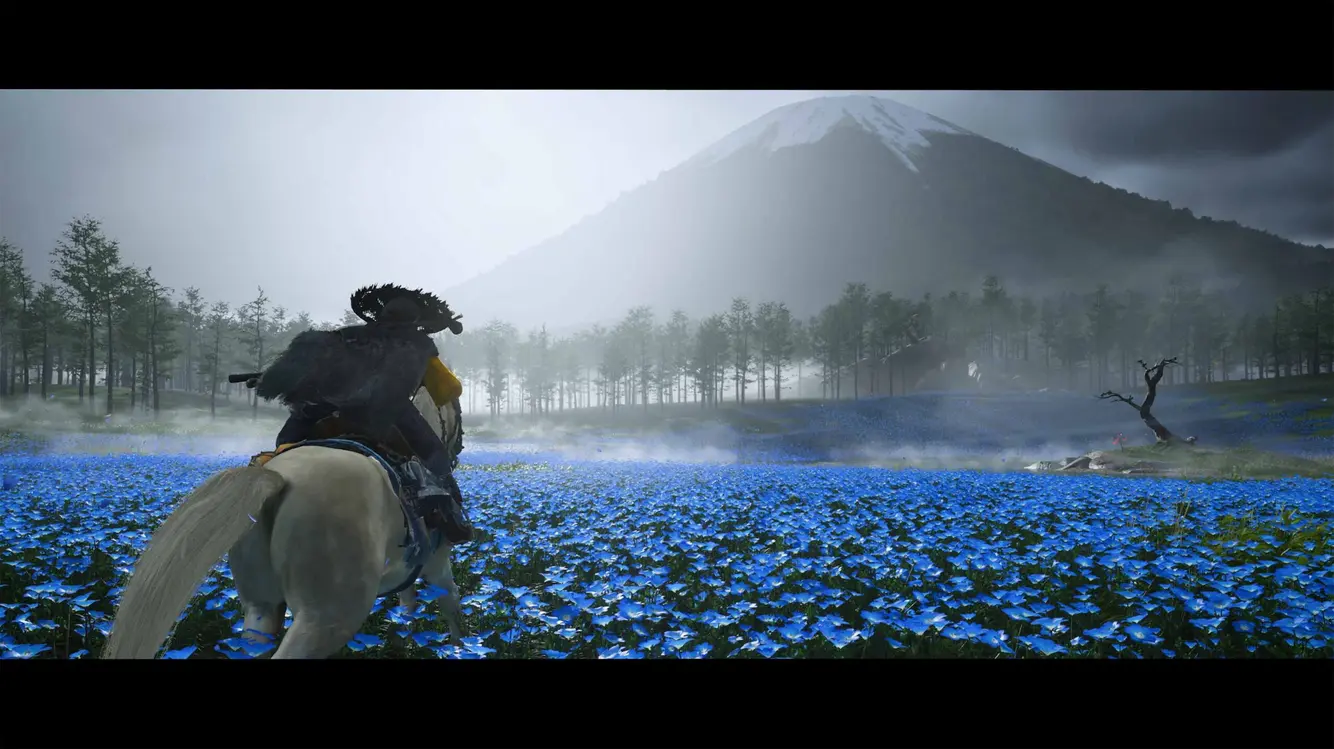

Raising the Bar: Ghost of Yōtei on PS5
What happens after a game blows away fans with its beauty? Sucker Punch faces that question with Ghost of Yōtei, the awaited follow-up to Ghost of Tsushima from 2020. The first game wowed players and critics with a near photo-perfect take on feudal Japan. It even took home Best Art Direction at The Game Awards. Five years on, the PS5 sequel pushes the look even further, sharpening the sense of place and scale.
In a wide chat with Joanna Wang, the studio’s art director, we learn how the team approached the daunting task. She shares what makes art direction work, why the yellow color cue matters for the lead Atsu, and how visits to Japan shaped the game’s world. The talk also covers how the team honors Indigenous Ainu culture, and how different departments stay in one creative lane.
Three core ideas behind strong art direction
Wang says good art direction starts with how a player feels, not just what they see. The visuals matter, but the mood and emotion behind every scene carry the weight. Players should come away with a personal sense of the story and landscape, not a static image to admire. That emotional thread is the heart of the director’s job.
Cultural Respect sits near the top, too. Ghost of Yōtei draws on a culture outside the team’s own roots, so the team works with cultural advisors to guide choices. They learn, ask questions, and adjust what they create to avoid missteps. The goal is a faithful, mindful portrayal rather than a simple backdrop.
Bringing all the pieces into one language is the final piece. Art, tech, story, and gameplay all must speak the same language. Wang pictures this as standing at a crossroads, then guiding every department toward a shared vision. This bridge-building helps the world feel cohesive and alive, not a patchwork of parts.
Taking Tsushima’s look to the next level
When the team set out to extend the world from Tsushima, they built on three pillars. First, draw distance and scale had to feel bigger without losing the feel of the original game. The aim was a world that breathes, moves, and looks cinematic while still honoring the series’ core art vibe.
Next, they wanted a richer color language. Atsu’s striking yellow is no afterthought; it travels across the map and across seasons. The palette guides emotions and signals important moments in Atsu’s journey, not just decorate the screen.
The third pillar is cultural care. Advisors helped translate real traditions, flora, and people into visuals and mechanics that honor the sources. The team blended research with design so culture shows through in architecture, landscapes, and even subtle gameplay cues. It’s about keeping the world real and respectful while still feeling fantastical.
Yellow as a storytelling beacon
Atsu’s yellow motif stands out in the new game, echoing the color’s journey from the past to the present. The earlier game used a stark yin-young contrast with black armor and white flowers, but Yōtei leans into bright yellow as a through-line. This shade nods to a key moment when Atsu’s fate is sealed, and it returns later as a thread that ties her memories to the land.
The color choice isn’t just for looks. It helps players sense Atsu’s emotional arc as they move through spring, autumn, and winter, a key aspect of Visual Storytelling. Yellow appears in the hero’s attire, in flowering plants, and in the broader environment, all guiding players through the story’s emotional beats.
Real-world study fuels the art
Wang explains that several Japan trips shaped the game’s look. Teams from art to sound to foliage worked side by side, each bringing a fresh viewpoint. The trips covered northern and southern areas, including forests and historic sites like Matsumae Castle, to mirror the game’s flow from one region to another.
Seeing the Shiretoko National Park’s bamboo fields and then standing by Lake Toya gave a vivid sense of scale. Those moments helped the team imagine how to recreate such scenery in motion. The visits weren’t just pretty pictures; they mapped a mood and rhythm for the game’s pacing.
Ainu cultural advisors were part of the process too. They invited the team to forests and workshops to learn about nature, craft, and daily respect for the land. The aim was to capture a spirit of gratitude and restraint—traits that feel true to a living world rather than a glossy stage.


Crafting the Yōtei Six and their zones
The game’s hub of outlaws, the Yōtei Six, gives each region a unique flavor. The design team built distinct identities for every area so players feel the story behind the place as they approach. The leaders of each zone carry their own themes, abilities, and backstories, making the map feel organic and alive.
In the snow-filled north, snow ninjas move and leave long tracks in the white. Trees snag with heavy snow, and enemies can emerge from the drifts. The visuals and gameplay weave together, inviting players to adapt their tactics by area. This approach makes the map feel varied and memorable.
A moment of personal pride on the mountain
Among the many proud moments for the art crew, one stands out for Wang. She finally got to try a mountain ascent within the game’s world. The climb tests balance, and the view from the top reveals miles of snowy landscape, a clear sky, and a vast sense of achievement. It’s a powerful moment that ties together all the team’s hard work on the world’s look and feel.
She adds that the top shrine section becomes a place of reflection, where the scenery reinforces Atsu’s path. It’s a reward that blends visual splendor with a sense of purpose.
Ghost of Yōtei hits PS5 on October 2, bringing this crafted world to life. For deeper context, check out the full review and the broader interview with the directors.
Please note that when you make a purchase through our links at GameHaunt, we might earn a small commission. This helps us keep bringing you the free journalism you love on our site! And don’t worry, our editorial content remains totally unbiased. If you’d like to show some support, you can do so here.