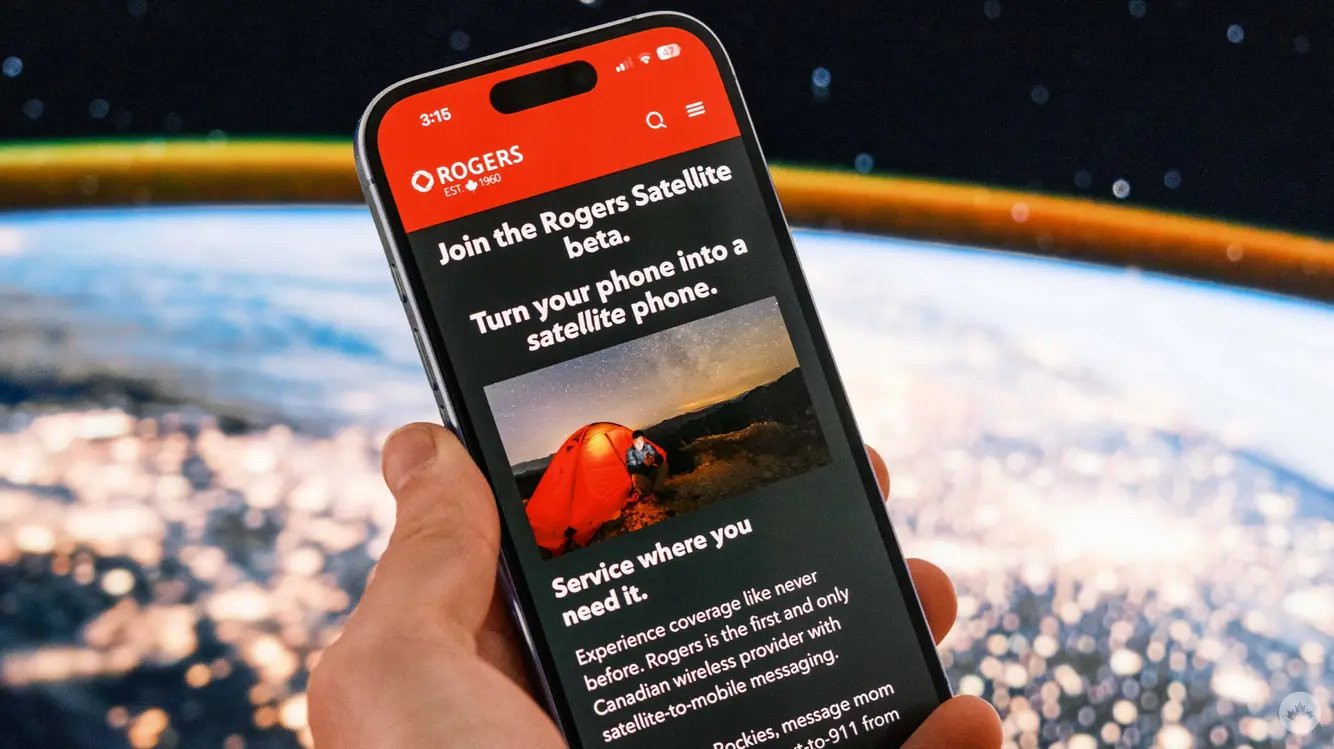

Rogers Broadens Satellite Reach Over Canadian Waters
Rogers is expanding its satellite service to cover more water routes and coastal areas in Canada. The move includes the ferry run between Newfoundland and Nova Scotia, routes crossing James Bay, and zones off British Columbia’s coast. The aim is simple: keep people connected where mobile networks don’t reach.
Starlink Powers Texting in Dead Zones
The carrier is tapping Elon Musk’s Starlink tech to deliver Texting and text-to-911 services in places without reliable 4G or 5G. Plans for data and voice support are on the roadmap, but those features will come later. For now, the focus is on basic messaging and emergency texting where signals fail.
Where the Service Is Already Being Used
Rogers shared a glimpse of remote regions across the country that are already trying out the satellite link. The company’s press materials outline several popular destinations and quieter spots where the network is making a difference.
- Popular regions
- Yoho National Park, British Columbia
- Banff National Park, Alberta
- Kananaskis Provincial Park, Alberta
- Algonquin Provincial Park, Ontario
- Areas around Mont-Tremblant, Quebec
- Fundy National Park, New Brunswick
- Most remote places
- Telegraph Creek, British Columbia
- Brochet, Manitoba
- North Twin Island, Nunavut
The full coverage map sits on Rogers’ official site. The map helps users see where satellite texting is available and where to expect future coverage.
How It Works for iPhone Users
Rogers notes that some devices can access the service with minimal friction. If you’ve got a modern iPhone, you may be able to use the satellite texting feature with little hassle. Apple’s devices are listed as compatible in Rogers’ announcements, making setup simpler for many travelers.
Pricing, Plans, and How to Get Connected
Rogers’ satellite service comes with a modest monthly fee. The company charges $15 per month for access, and the feature is included for users on the Rogers Ultimate data plan. The Ultimate plan itself runs about $100 with the auto-pay discount, and you may shave a bit more off by bundling with other Rogers services. In short, the satellite option is approachable but varies a bit based on your main plan and how you pay.
A Closer Look at Real-World Use
This move by Rogers is clearly aimed at people who live far from towers or who travel by ferry and boat. Texting and text-to-911 can be a lifesaver when voice calls drop, and it gives rural and remote residents a safer line to reach help. The plan to add data and voice later will expand what the system can offer, but texting already fills a crucial gap in hard-to-reach areas.


What It Means for Canadian Travelers
For road trips, boat trips, and trips through national parks, satellite coverage adds a familiar safety net. It helps keep friends and families in touch, even when the cellular grid is silent. The beta-style rollout lets Rogers gather feedback while showing a practical use for satellite tech in everyday life.
What to Watch For Next
Rogers has signaled that more regions will come online as the network is tested and refined. The company’s approach blends Starlink’s high-speed satellite backbone with practical, user-friendly services. If the trend continues, more parks, routes, and coastal areas could join the list in the months ahead.
Final Take
Rogers’ satellite push reflects how coverage gaps are shrinking in Canada. By prioritizing dependable texting and emergency services, the carrier gives everyday users and travelers a reliable link when towers disappear. The plan to bring data and voice into the mix will broaden options and bring more everyday utility to people in remote corners of the country.
Please note that when you make a purchase through our links at GameHaunt, we might earn a small commission. This helps us keep bringing you the free journalism you love on our site! And don’t worry, our editorial content remains totally unbiased. If you’d like to show some support, you can do so here.