
Private Signals on Public Skies: A Fresh Look at Satellite Privacy
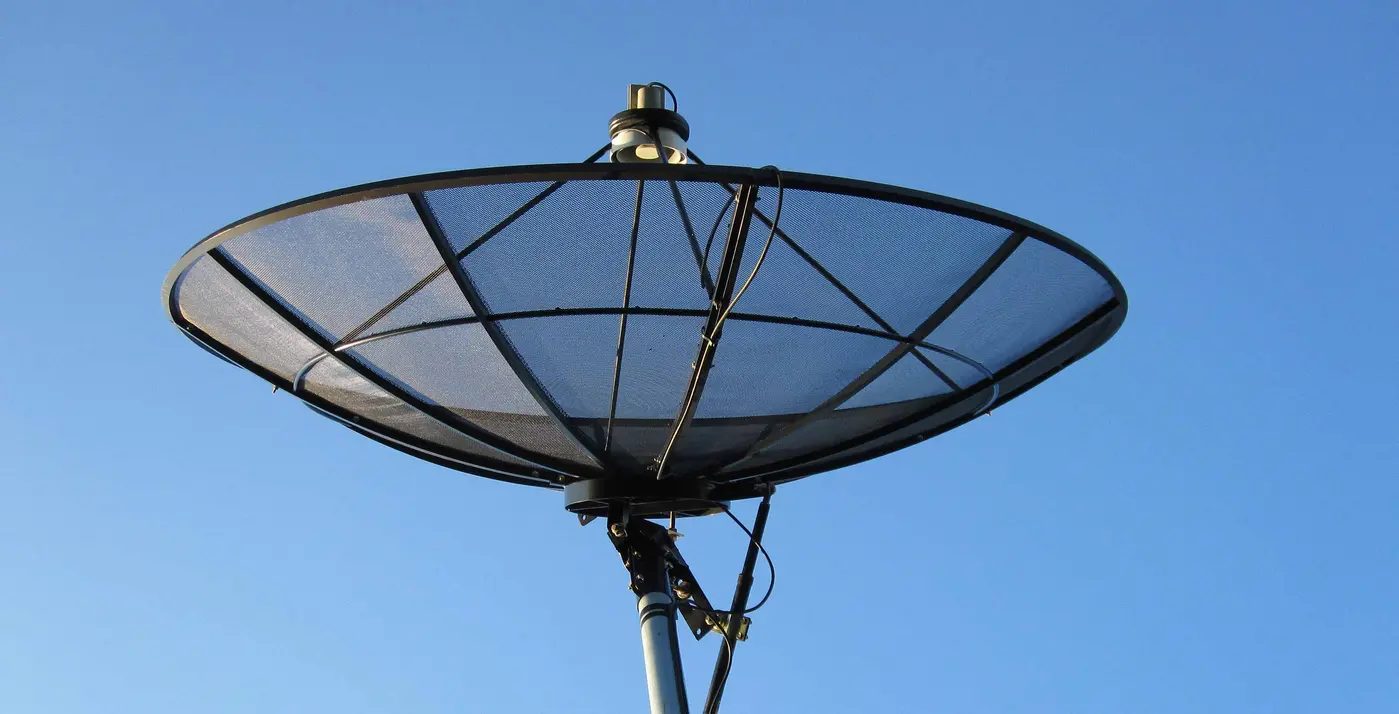
A U.S. research team spent years tracking satellites above a Southern California campus and found most satellite links lack privacy. This simple setup used around $800 in gear, all easy to buy, showing a curious hobbyist could do the same with enough know-how. With a DIY satellite interceptor, they could listen in on ordinary calls, texts, and even military chatter.
The researchers have shared their results at a major conference. They presented at the ACM Conference in Taiwan. A later Wired report notes they spent the last year telling companies this data was reachable, and many have started encrypting after that warning. The move shows how awareness can push the whole industry toward better protection.
Their experiment zeroed in on geostationary satellites, not the newer low-earth orbit networks like Starlink. The team chose these older links on purpose to gauge how easy it is to tap into everyday satellite traffic. That choice matters because GEO systems still carry a lot of critical and routine communications.
Security experts are cautious. A Johns Hopkins professor who peer‑reviewed the paper says it could take years for the satellite industry to lock down all traffic. Many of the systems in play today are older and require different fixes, so progress will vary by provider and tech. The takeaway is clear: this is a long game, not a quick fix.
From the telecom side, the study found T-Mobile traffic could ride up to satellites, but only about half of the data was encrypted. If the data had already passed through a T-Mobile tower before interception, it would be encrypted. But messages and calls directed to the tower remained vulnerable, showing gaps in the chain that can be exploited.
The findings come from UC San Diego and the University of Maryland. The work offers a stark view of how space links touch everyday life, not just high-tech gear. It demonstrates that a small, affordable setup can reveal gaps in privacy that affect real people. Researchers stress the need for stronger, more consistent encryption across satellite paths and ground networks.
Geostationary satellites aren’t the whole story. The researchers note that LEO networks, like Starlink, present their own privacy challenges, but those systems weren’t part of this test. The team emphasizes that future work should examine how to secure both older GEO paths and newer low-orbit routes. That broader view will help protect the full mix of space-to-ground communications.
For readers who follow tech policy and user safety, the results raise questions about how carriers and satellite operators handle data. Encryption matters, but so do who can access traffic and when. The study nudges lawmakers and industry players to push for better security standards and data security. It also underlines the need for ongoing testing as satellite networks grow.


Researchers hope their work sparks a wider push toward safer, more private satellite activity. They argue that encrypting data is essential, but so is securing the paths that data travels. In practical terms, that means stronger keys, tighter access controls, and better monitoring of unusual signal patterns. It also means operators must stay ahead of new cable routes and ground stations that can become weak links.
The broader idea is plain: as satellites become a bigger part of daily life, protecting what travels through them becomes essential. The path from a user’s device to a distant satellite should feel like a sealed channel, not a loose bridge. With more satellites in orbit and more data racing through space, the push for better security must keep pace.
In the end, the study acts as a wake-up call. It shows that privacy isn’t guaranteed just because a link looks distant or high-tech. Real protection comes from consistent encryption, careful routing, and constant testing. The space around us is busy with data, and the call to secure it is louder than ever.
Please note that when you make a purchase through our links at GameHaunt, we might earn a small commission. This helps us keep bringing you the free journalism you love on our site! And don’t worry, our editorial content remains totally unbiased. If you’d like to show some support, you can do so here.