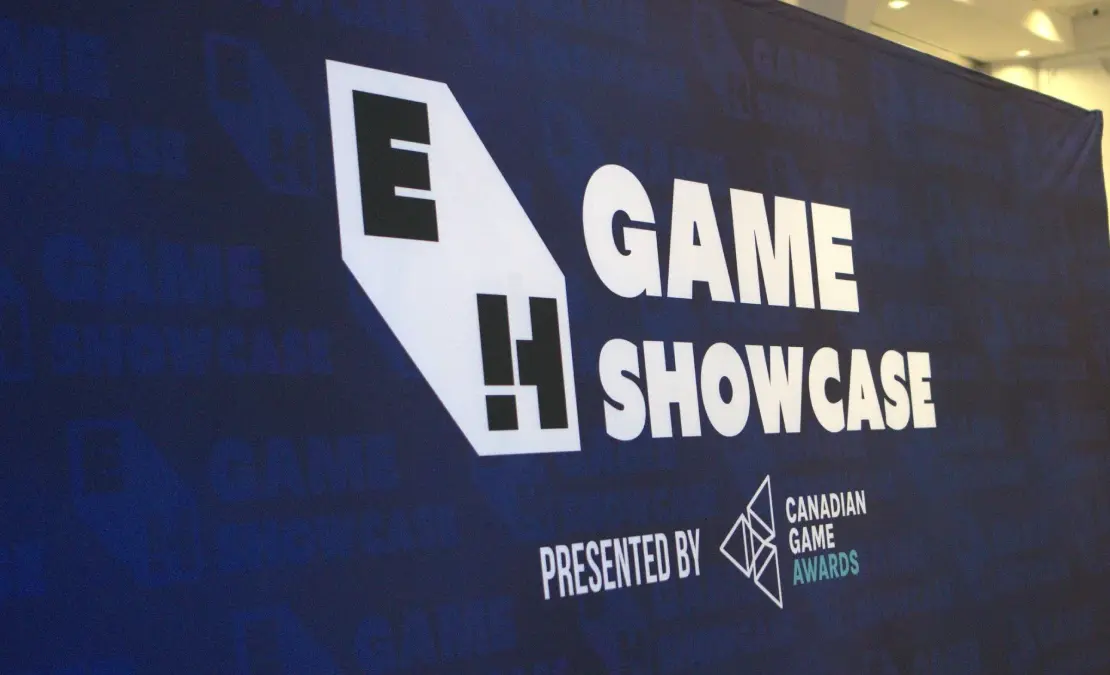

The Eh Game Showcase at VGLX 2025 demonstrated Canada’s indie development scene extends far beyond cozy farming sims. I tested around 30+ booths across the International Centre’s convention floor, hands-on playing games that ranged from Bollywood-inspired RPGs to physics-based fighting games. What stood out wasn’t just the volume of Canadian studios present, but the creative diversity spanning rhythm battles, Indigenous storytelling, and email-based roguelikes. These aren’t placeholder early access projects waiting for polish. Studios like Tribute Games, Sticky Brain Studios, and Lofty Sky Entertainment delivered playable demos that justified the hype surrounding Canada’s growing gaming ecosystem.
Toronto and Montreal dominated exhibitor representation, though studios from Calgary, Vancouver, Halifax, Ottawa, and smaller Ontario communities contributed equally compelling projects. The Canadian Game Awards partnership with VGLX created the ideal testing ground for these developers. Unlike digital storefronts where trailers carry discovery weight, convention demos force immediate player reactions. I watched kids gravitating toward Capy Castaway’s adorable capybara protagonist while competitive players cycled through Poly Fighter’s combo system. The range suggests Canadian developers understand niche audiences better than chasing mass appeal trends.
For players seeking fresh experiences beyond AAA sequels, the VGLX showcase provided legitimate discovery opportunities. Below are the standout Canadian indie games I tested, observed, or discussed with developers during the two-day event.
Bollywood Beats and Indigenous Wisdom Lead Narrative Innovation
Aikyam (Thousand Stars Studio, Toronto)
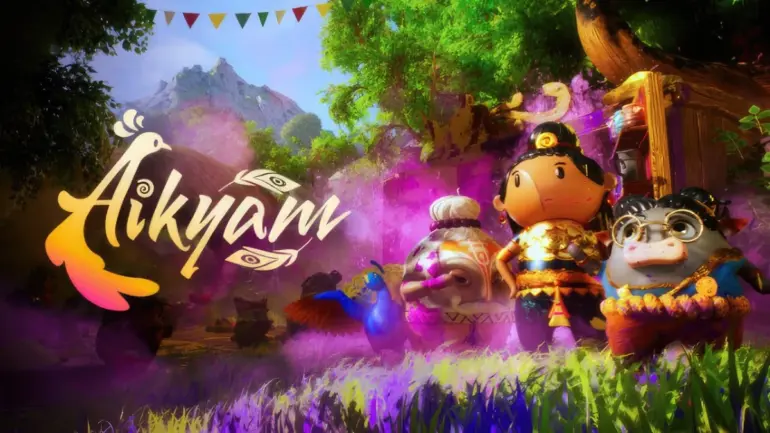
Thousand Stars Studio’s Aikyam grabbed attention through sheer visual spectacle. This Toronto-developed fantasy RPG transforms traditional turn-based combat into “dance battles” where protagonists Vishva, Ramli, and Guruji face demonic foes through choreographed sequences. I watched demo players trigger cinematic leaps, spins, and stunts that filled screens with Bollywood-inspired energy. The rhythm mechanics require timing button presses to music cues, similar to rhythm games but integrated into RPG progression rather than existing as standalone mini-games.
What makes Aikyam compelling beyond its aesthetic is the “dazzling hearts” system. Defeating enemies through dance doesn’t just grant experience points. Successfully executed combos recruit villagers as allies, unlocking story branches that reflect how players approach combat. The demo I observed featured vibrant art drawn from ancient Indian aesthetics, with colorful environments that matched the energetic combat animations. Thousand Stars positioned this as accessible to players unfamiliar with traditional turn-based RPGs, letting rhythm game fans experience story-driven adventures through familiar mechanics.
Akiiwan: Survival (Little Buffalo Studios, Toronto)
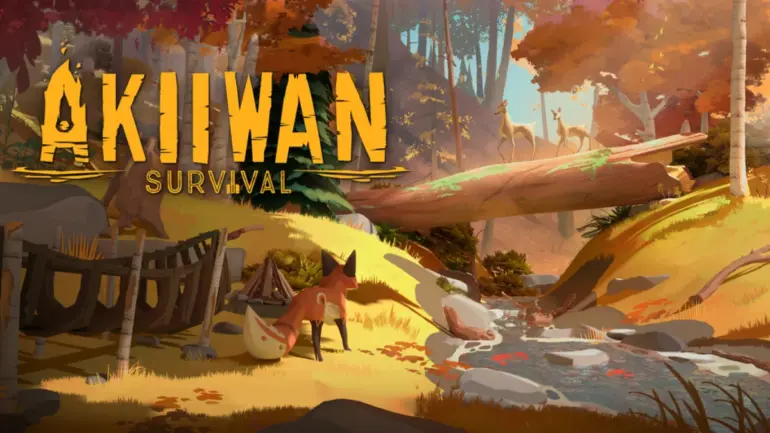
Little Buffalo Studios took the opposite tonal approach with Akiiwan: Survival, a chill open-world survival game rooted in Indigenous culture. Set in a lush, mysterious land, your only companion is a talking campfire that remembers 10,000 years of survival skills. The Toronto studio built gameplay around harvesting, crafting, hunting, and foraging to prepare for winter, but eliminated the minimap entirely. Navigation relies on environmental awareness and the fire’s guidance, which teaches skills passed through ancestors.
I didn’t test Akiiwan personally during the showcase, but conversations with attendees emphasized the hand-painted visuals and nature-inspired design. The word Akiiwan comes from Anishinaabemowin, meaning “it is the Earth,” which reflects the studio’s commitment to Indigenous storytelling beyond superficial representation. Little Buffalo Studios joins Achimostawinan Games in demonstrating how Indigenous developers use interactive media to share cultural perspectives through mechanics rather than exposition.
Hill Agency: PURITY/decay (Achimostawinan Games, Ontario)
Achimostawinan Games showcased Hill Agency: PURITY/decay, a cyber-noir detective adventure set in 2762 within a futuristic Indigenous metropolis. You play Meeygen Hill, a Cree private investigator solving murders through clue gathering and suspect interrogation. The Ontario studio blends sci-fi aesthetics with Indigenous cultural symbols, creating cityscape designs that mix neon-lit streets with traditional lore elements. Gameplay focuses on narrative choices affecting outcomes, using graphic novel panels combined with stylized 3D for cinematic presentation. The detective mechanics emphasize investigation over action, positioning Hill Agency as narrative-driven rather than combat-focused.
Times & Galaxy (Copychaser Games, Calgary)
Copychaser Games brought Times & Galaxy, an interplanetary adventure RPG casting you as a robo-reporter for a space newspaper. The Calgary studio’s narrative-driven experience tasks you with writing stories across distant colonies, conducting interviews with eccentric alien coworkers, and chasing news scoops through dialogue choices. Gameplay blends visual novel storytelling with light adventure exploration, where your journalistic decisions affect story outcomes and character relationships.
The colorful, retro-futuristic art style evokes bright comic book aesthetics with cartoony character designs and vibrant environments. I didn’t test this personally during the showcase, but conversations with attendees emphasized the humor threaded through investigative mechanics. The “get to know your colleagues” focus positions Times & Galaxy as workplace drama meets space exploration, appealing to players who prioritize narrative choices over action sequences.
Button Man (Styrax Studios, Halifax)
Styrax Studios showcased Button Man, a side-scrolling action-adventure set during 1920s Prohibition in fictional Nova Scotia. The Halifax studio’s premise casts you as a former bootlegging henchman investigating your boss’s murder while protecting the town of Kingsport from rising threats. Gameplay mixes challenging 2D combat including melee and ranged brawls with detective-style investigation and environmental puzzles.
You gather clues about the murder while engaging in platformer combat sequences supported by companion characters throughout the story. The team describes this as a love letter to Halifax, incorporating period details from local history. Visually, Button Man features stylized 2D art with hand-painted graphics evoking 1920s coastal settings including vintage clothing, wooden docks, and speakeasy bars. The gritty noir-ish color palette matches the dramatic tone while celebrating regional history through interactive storytelling.
1000xRESIST (sunset visitor, Vancouver)
Sunset visitor delivered 1000xRESIST, a critically acclaimed sci-fi narrative adventure that earned a Peabody Award. The Vancouver studio’s Asian-Canadian creators built a story-driven experience set 1000 years after humanity’s downfall through alien-borne disease. You play the Watcher, a clone reliving the Allmother’s memories to uncover conspiracies threatening the underground survivors.
Gameplay involves jumping between memory sequences like time-travel puzzle platforming, solving environmental brain teasers to unlock new memories. Between sequences you navigate the Orchard, the survivors’ underground city, interacting with characters through first-person and third-person perspectives. The mechanics blend adventure, walking sim, and visual novel elements, switching camera angles based on narrative needs.
The visual style is lush and cinematic with richly detailed sci-fi settings and anime-influenced aesthetics. Smooth 3D graphics combine stylized character designs with dramatic lighting and surreal atmospheres fitting the thought-provoking narrative. I didn’t test this during VGLX as the showcase focused on upcoming releases, but 1000xRESIST’s presence demonstrates Vancouver studios competing at the highest creative and technical levels.
Combat and Strategy Games Prove Canadian Studios Understand Core Mechanics
Angels of Battle (BV Taisei)
BV Taisei’s Angels of Battle delivered fast-paced 2D anime-style fighting with surprising depth beneath accessible controls. The combo-driven fighter lets anyone execute basic attacks through simple inputs, but skilled players string together intricate sequences that showcase each character’s unique movesets. I watched tournament-level players cycle through matches at the showcase booth, demonstrating how straightforward controls support competitive depth rather than limiting it.
The anime-inspired character art leans toward shojo aesthetics, with flashy special effects punctuating super moves. Combat speed rivals traditional 2D fighters, but the accessibility focus means newcomers can participate in local duels without memorizing complex button combinations first. BV Taisei appears on Canadian indie showcases though specific studio location wasn’t confirmed during my visit.
Wanba Warriors (Wanba Studio, Canada)
Wanba Studio took fighting game accessibility further with Wanba Warriors, a physics-based 1v1 fighter controlled through one joystick and two buttons. What makes this Canadian studio’s approach unique is analog input intensity. The harder you push the controller stick, the stronger your attack becomes. I tested this briefly at the booth and found the physics system rewarding deliberate movements over button mashing. Characters are mythical creatures wielding unconventional weapons, set against abstract arenas with environmental hazards.
The one-handed control scheme works surprisingly well for local matches, though online play might introduce latency challenges with physics-based hit detection. Visually, Wanba Warriors embraces surreal designs, including a fighter that’s literally a giant calligraphy brush. The Eastern-inspired aesthetic combined with experimental controls positions this as the indie alternative to traditional fighting game formulas.
Poly Fighter (HeartLoop Games, Montreal)
HeartLoop Games brought Poly Fighter, a single-player fighting roguelike that earned Editors’ Choice consideration during my booth visits. The Montreal studio known for Poly Bridge applied minimalist visual design to fighting mechanics, creating clean polygonal characters with snappy animations. Between matches, victories grant new moves you add to your repertoire through branching skill trees. You can even spend currency to unlock moves in advance, customizing your fighter’s playstyle before facing escalating opponents.
I watched extended play sessions where players experimented with move combinations, testing which upgrades synergized best for their approach. The roguelike structure means each run builds different fighters rather than mastering one static character. Combat is 2D side-view with fast-paced combos and grappling moves, complemented by a punchy electronic soundtrack. HeartLoop’s tagline promises “old-school arcade cool with modern roguelike replayability,” which accurately describes the gameplay loop I observed across multiple demo attempts.
Dark Age Dinos (Woolly Walrus Games, Toronto)
Woolly Walrus Games showcased Dark Age Dinos, a medieval-themed cooperative roguelike where dinosaurs evolved into sword-wielding knights instead of going extinct. The Toronto studio’s premise immediately grabbed attention through sheer absurdity. Players choose dinosaur heroes like Ankylosaurus with heavy armor, tackling procedurally generated quests through turn-based tactical combat.
The humor extends beyond the premise into actual mechanics. Enemies throw turkey legs as weapons, and food items like Spicy Buffalo Wings boost attack stats. Up to four players can team up online, coordinating actions each turn against hordes including giant spiders and undead knights. The art style is bright and cartoony, with medieval-fantasy levels inhabited by goofy yet ferocious dinosaur characters. I observed four-player sessions where tactical coordination mattered despite the lighthearted presentation. One DLC adds an Ankylosaurus janitor with mop-related attacks, which perfectly captures the game’s playful tone while maintaining strategic depth.
Dust Walkers (Guide Stone Studios, Vancouver)
Guide Stone Studios developed Dust Walkers, a top-down action-strategy roguelike blending squad tactics with fast-paced combat. The Vancouver studio lets you control up to three elite Dust Walker soldiers on missions across an alien world, managing each unit’s unique abilities in real-time. You shoot hordes of zombie-like alien creatures while defending makeshift bases, combining MOBA-style skill systems with squad management.
Between missions you recruit and upgrade your squad through research trees, deciding which units to deploy and mixing abilities like defense turrets with heavy weapons. The mechanics fuse XCOM-style squad management, Soulslike combat challenge, and tower defense elements into one system. Visually, Dust Walkers features gritty sci-fi with industrial alien biomes, stylized characters, and atmospheric muted color palettes fitting the eerie planet setting.
I didn’t test this personally, but attendees emphasized the difficulty balancing individual unit control with strategic base defense under pressure. The blend of genres creates complex tactical challenges where unit positioning and ability timing determine mission success rather than raw firepower alone.
Sci-Fi and Horror Titles Push Canadian Studios Into Darker Territory
Ambrosia Sky (Soft Rains, Toronto)
Soft Rains developed Ambrosia Sky, a first-person sci-fi immersive sim about cleaning deadly alien fungus from an isolated space station. The Toronto studio’s premise sounds utilitarian until you learn the parasitic mold overruns the station, requiring you to burn, electrocute, or trap the spreading organism with a chemical sprayer. Environmental puzzles involve quarantining infested areas while navigating zero-gravity sections through a retractable tether.
What elevates Ambrosia Sky beyond cleanup simulation is the narrative focus on laying the dead to rest. After quarantining crew bodies, you perform rituals granting proper farewells. The stylized art blends sterile sci-fi tech with creeping organic life, underscoring themes of guilt and redemption as you progress. I didn’t test this personally, but developer conversations emphasized the emotional weight of cleanup tasks rather than treating corpse disposal as mechanical objectives.
GrimRail (Infinite Loop Studios, Canada)
Infinite Loop Studios created GrimRail, a first-person psychological horror puzzle game set on an endless train. The Canadian studio (specific location unconfirmed) traps you on a primordial locomotive filled with nightmarish entities across impossible, shifting train cars. Gameplay combines exploration, environmental puzzles, and stealth mechanics where you hide in closets or under beds to escape grotesque pursuers.
Each train stop presents twisted scenarios like dining cars where time warps. You meet fellow passengers including Clair, Malik, and Rosa through repeated cycles, piecing together their stories through dialogue choices. The train loops through surreal, non-Euclidean spaces where failure resets time but reveals new clues. Visually, GrimRail blends realistic train interiors with uncanny, dreamlike transformations. The atmospheric horror combines SOMA-style narrative with puzzle-platforming, creating tension through environmental storytelling rather than jump scares.
Hell is Us (Rogue Factor, Montreal)
Rogue Factor brought Hell is Us, a gritty third-person action-adventure that pairs visceral melee combat with methodical exploration. The Montreal studio known for Darkest Dungeon casts you as Rémi, a soldier combating supernatural Hollow Walker creatures in a devastated city. Combat emphasizes deliberate weapon swings and parries across swords, axes, and polearms, complemented by a combat drone for tactical support.
What distinguishes Hell is Us from typical action games is the absence of on-screen markers. You navigate a semi-open cityscape and solve environment-based puzzles without quest arrows or minimap guidance. The moody visuals feature rain-slick streets, derelict buildings, and dark alleyways that create melancholic atmosphere. Audio logs and NPC conversations unveil the city’s history and Rémi’s past through investigation rather than cutscenes. Hell is Us marries souls-like combat difficulty with stealth and investigation mechanics, requiring spatial awareness beyond following waypoints.
Creative Puzzlers and Roguelikes Showcase Experimental Mechanics
Brave New Wonders (City From Naught Inc., Toronto)
City From Naught Inc. developed Brave New Wonders, a post-apocalyptic factory-building sim controlled through natural language. The Toronto studio lets you command robots using simple English instructions like “build a conveyor belt” or “smelt iron,” which the robots execute automatically. Gameplay revolves around systematically setting up factories to process salvaged materials across ruined cities.
The isometric 3D world features a gritty, earthy palette with collapsed cities, rusted machines, and overgrown plants. I watched players issue commands at the booth, testing how complex instructions the system could parse. Simple automation worked smoothly, though compound sentences sometimes confused the parser. The focus on player-driven storytelling through emergent base-building creates sandbox experiences where each factory layout tells different survival strategies.
Reply All (Peculiar Path Productions, Toronto)
Peculiar Path Productions created Reply All, a tongue-in-cheek office roguelike where emails replace traditional combat cards. The Toronto studio’s 2D deckbuilding game casts you as an overworked employee battling hordes of bosses and coworkers to climb the corporate ladder. Each turn you send or reply to emails that function as attacks, heals, or status effects.
Defeating enemies grants new email templates functioning as card upgrades, while office supplies provide power-ups. The flat, colorful art style evokes indie comics, satirizing workplace culture through mechanics like “fight bosses with spreadsheets.” I tested several runs and found the email metaphor worked surprisingly well for traditional deckbuilding mechanics. Forwarding complaints attacks enemies, reply-all confessions heal you, and CC’ing the wrong people can backfire spectacularly. The humor stays consistent throughout rather than existing as surface-level window dressing.
Make a Hit! (Billy’s Cookies, Toronto)
Billy’s Cookies showcased Make a Hit!, a retro music puzzle roguelike inspired by 1980s pop culture. The Toronto studio (operating from a self-described cardboard box office) casts you as a record producer combining cassette tapes with musical attributes to craft hit songs. Gameplay involves matching rhythms or melodies, then adding effects or album art to influence chart success.
Each roguelike run earns cash to purchase new samples or graphics while taking on client challenges from rock bands to pop divas. The vivid neon pixel-art style mimics classic arcade games, with a synth-heavy 80s soundtrack that evolves as you mix tracks. I watched several players experiment with different tape combinations, discovering how attribute interactions affected final song quality. Make a Hit! gamifies music production through accessible puzzle mechanics while celebrating retro aesthetics.
Jollyroll (Sugamu Studio, Toronto)
Sugamu Studio brought Jollyroll, a cozy marble shooter inspired by classic Zuma-style puzzle games. The Toronto studio’s approach involves shooting colored balls into chains to make matches, but with unique twists under development. Gameplay emphasizes relaxed, casual experiences with simple controls, positioning this as accessible puzzle entertainment rather than high-stress challenges.
The bright, clean art style features handcrafted 2D and 3D visuals with friendly color palettes and charming animations. I didn’t test the prototype personally during the showcase, but the “cozy” descriptor suggests laid-back gameplay loops where players progress through levels without timer pressure. The Zuma-like foundation provides familiar mechanics while Sugamu’s unique additions aim to differentiate Jollyroll within the marble shooter genre.
Family-Friendly Adventures Balance Accessibility With Depth
Capy Castaway (Kitten Cup Studio, Toronto)
Kitten Cup Studio developed Capy Castaway, a whimsical 3D adventure starring an adorable capybara pup stranded on a mysterious island after a flood. The Toronto studio’s co-op or single-player experience lets you switch between Capy and Corvi the clever crow, using each character’s abilities to solve puzzles. Capy pushes and stomps through muddy terrain while Corvi flies to reach high places.
The hand-crafted art style draws from Chinese ink paintings, with Chinese calligraphy appearing in menu graphics. I watched families play cooperatively at the booth, solving puzzles like clearing paths and playing fetch with island wildlife. The lighthearted tone includes collectible trinkets, wearable hats, and multiple endings influenced by player choices. Themes of friendship and family run throughout, positioning this as the accessible adventure for younger players without patronizing mechanics.
Red & Blue (Bananaware, Canada)
Bananaware created Red & Blue, a cooperative puzzle-platformer requiring exactly two local players. One controls Red, one controls Blue, and they can jump on each other’s heads to form stacks reaching higher platforms. Color-coded switches and gates only open when the corresponding player touches or holds their partner, forcing coordinated timing and positioning.
I tested this briefly with another attendee and found the communication requirements created genuine teamwork challenges. Stepping on a red pad might require one player weighted down by the other, or both players must time simultaneous jumps to clear gaps. The bright, blocky 3D environments feature cheerful block-cities and grassy fields with simple cartoon characters. Even failure prompts cute animations rather than frustration, making Red & Blue family-friendly through design rather than difficulty reduction.
Carpe Dino: Seize the Date (Black Squirrels Studio, Hamilton)
Black Squirrels Studio brought Carpe Dino: Seize the Date, a quirky dating sim set in prehistoric Pangea where love goes extinct. The Hamilton studio’s premise involves time-traveling to help dinosaurs find mates through puzzle-platformer sections. You complete tasks like synchronizing T-Rex heartbeats by stepping on pressure plates while navigating ancient environments.
The cute pixel graphics and bright color palette make this accessible despite the absurd premise. Each level mixes romance and adventure, encouraging cooperation between your character and the dinosaur. Player choices determine each dinosaur’s happily ever after, adding replayable humor to what could have been a one-note joke. I watched several players laugh through the ridiculous scenarios while genuinely engaging with the puzzle mechanics underneath.
Rodent Rumble (Down Smash Studios, Toronto)
Down Smash Studios showcased Rodent Rumble, a local multiplayer arena brawler starring adorable rodent characters including mice and hamsters. The Toronto studio’s fast-paced competitive modes include Block Party, a free-for-all scramble for the Golden Acorn, and Rodent Royale team battles. Gameplay combines third-person action with shooter mechanics where players dart around maps battling opponents with weapons and power-ups.
The unique mechanic involves collecting pieces from defeated foes to grow bigger, which increases strength but decreases speed. Strategic decisions emerge between staying nimble or bulking up for power. The bright, whimsical art features cartoon arenas like city rooftops and kitchens with expressive, colorful rodent characters. The stylized look positions Rodent Rumble as family-friendly competitive fun where cute aesthetics don’t sacrifice gameplay depth.
I tested this briefly and found the size-change mechanic created interesting risk-reward decisions during matches. Smaller rodents could dodge attacks but struggled to deal damage, while enlarged characters dominated close combat but became easy targets.
The Blobs Fight (SkyPyre Studios, Ottawa)
SkyPyre Studios delivered The Blobs Fight, a local multiplayer party game supporting up to eight players or AI. The Ottawa studio’s blob brawler features gelatinous characters competing in arena modes where bumping opponents knocks pieces off them. Collecting those pieces makes your blob grow larger but slower, creating strategic trade-offs between size and mobility.
Modes include Last Blob Standing and King of the Hill across colorful arenas featuring lava pits and neon platforms. The cooperative Mob Blobs mode teams players against waves of mechanical enemies, adding variety beyond competitive matches. The bright, cartoony visual style features humorous squishy blob characters with vibrant 3D arenas creating lighthearted party game atmosphere.
I watched several multiplayer sessions and found the simple premise supported genuine competitive depth through positioning and timing rather than complex controls. The silly blob aesthetic masks strategic gameplay where experienced players consistently outmaneuvered newcomers through superior arena awareness.
Dumpster Divers (Gaggle Studios, Toronto)
Gaggle Studios brought Dumpster Divers, a cooperative roguelike party game for one to four players. The Toronto studio known for Goose Goose Duck casts you as discarded puppets diving through alleys and dumpsters, scavenging loot while evading hazards and bumbling police. Gameplay emphasizes physics-based cooperation where players work together to carry giant objects, build makeshift tools from scraps, and survive chaotic scenarios.
The mischievous tone encourages comedic chaos rather than punishing failure. The light, cartoony art style features whimsical puppet characters navigating vibrant trash-filled environments with playful, slightly surreal visuals. I tested this cooperatively and found the physics system created genuine teamwork challenges and hilarious failures. Successfully coordinating to extract a massive treasure from a dumpster felt satisfying, while failed attempts resulted in puppets tumbling across alleys in ragdoll physics glory.
Fruit Golf (Coal Car Studio, Vancouver)
Coal Car Studio showcased Fruit Golf, an asymmetric multiplayer VR minigolf game. The Vancouver VR-focused studio creates social gameplay where one player wearing a VR headset putts through whimsical courses like putting a pineapple down a pirate ship. Other players use mobile devices to deploy obstacles including sharks and barrels, sabotaging the VR golfer in real time.
The mechanics center on asymmetrical interaction where mobile players see overhead views and place hazards while the VR player navigates first-person courses. Bright, cartoonish visuals feature vivid fruit characters including watermelons and pineapples alongside theme-park props like pirate ships and monsters. The playful, family-friendly aesthetic matches the lighthearted VR party gameplay.
I watched several groups play and found the mobile interference created genuine social dynamics where sabotage balanced against cooperation. The VR player needs challenges but overly aggressive obstacle placement could ruin fun, creating interesting group negotiations about difficulty.
Creative Tech and Experimental Projects Push Boundaries
Cooking With a Gun (University of Toronto, Toronto)
University of Toronto’s CSC404 course produced Cooking With a Gun, an experimental student game where you prepare meals using only a handgun as the kitchen utensil. This UofT and Centennial College joint project maps all cooking actions to firing the gun at ingredients. Shooting meat with sniper precision might cook it, while unloading the clip plates food.
The cartoony visuals and over-the-top physics create absurd scenarios like flying soup broth bullets. I tested this briefly and found it works better as creative tech demo than serious cooking simulator. The intentionally ridiculous premise showcases student creativity in game design, demonstrating how constraints force innovative mechanical solutions. While not a commercial release candidate, it represents the experimental thinking Canadian game design programs encourage.
DC3: Viral Menace (S-Qubed Entertainment, Ontario)
S-Qubed Entertainment developed DC3: Viral Menace, a colorful twin-stick shooter combined with tower defense elements. You play Dr. Vidya Vichaar piloting the miniature Caper-5000 ship through the human body to save her daughter from a virus. Levels are designed like comic-book panels showing different body systems including lungs, stomach, bloodstream, and nervous system.
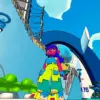

Gameplay is fast-paced twin-stick shooting against viruses while deploying stationary turrets built by sidekick robot CaByte. You collect antigens as currency to upgrade your ship between waves. The cartoonish yet detailed visuals feature bright backgrounds like pink intestines and blue blood vessels with cute robot allies. I tested several levels and found the tower defense placement added strategic depth to what could have been pure reflex shooting. The medical rescue narrative ties education to adventure themes without feeling preachy.
Comfort Games’ Project A (Comfort Games, Toronto)
Comfort Games showcased their tentatively titled Project A, an action-adventure game reminiscent of the golden age of consoles. The Toronto studio focuses on classic single-player mechanics including exploration, platforming, and combat delivered with retro-inspired flair. While specific details remain scarce ahead of the official reveal, the nostalgic approach suggests gameplay evoking late-90s or early-2000s adventure games.
The visual style appears to embrace period-appropriate aesthetics, potentially featuring pixel art or early-3D graphics that capture console generation charm. I didn’t test this personally as the project remains in development, but conversations with the team emphasized returning to fundamentals that made classic action-adventures memorable. For players seeking experiences unencumbered by modern open-world bloat, Comfort Games positions Project A as returning to focused, level-based adventure design.
AAA-Adjacent Studios Demonstrate Canadian Production Values
Marvel Cosmic Invasion (Tribute Games, Montreal)
Tribute Games showcased Marvel Cosmic Invasion, a co-op arcade brawler featuring 15 iconic Marvel heroes in pixel-art beat ’em up style. The Montreal studio’s port supports up to four-player co-op through cosmic levels ranging from New York City to the Negative Zone, stopping the Annihilation Wave alien threat.
Combat is classic side-scrolling beat ’em up with punch, kick, and superpower combos. Each hero including Spider-Man, Thor, and Captain Marvel has unique special moves. The pixel art mimics 90s arcade games but with vibrant modern effects for powers. I tested a four-player session and found the chaos entertaining rather than overwhelming, with clear visual communication about which attacks came from which heroes. Tribute Games’ experience with retro aesthetics shows in the polished animation work and satisfying combat feedback.
Sky of Tides (Lofty Sky Entertainment, Toronto)
Lofty Sky Entertainment created Sky of Tides, a narrative sci-fi RPG where planet numen9 shattered into nine floating sky-islands after catastrophe. The Toronto studio casts you as Rin d’Lorah, a farm girl venturing across sky-islands to restore balance. Gameplay is dialogue-driven adventure with RPG-lite mechanics where choices affect character relationships and unlock upgrades.
Your robotic companion Reef can be customized throughout the journey. The 3D anime-style graphics feature richly detailed environments including lush jungles floating midair, colorful skies, and futuristic ruins. I watched extended demo play sessions where narrative descriptions emphasized wonder and choice, with each sky-island hosting different cultures Rin must navigate diplomatically or forcefully. Lofty Sky positions this as the sweet spot between visual novel storytelling and light RPG exploration.
Sunset Suckerpunch (Virtual Unreality Inc., Toronto Area)
Virtual Unreality Inc. showcased Sunset Suckerpunch, a third-person action title introducing K8E, an AI companion that’s simultaneously a motorcycle, mechanical sword, and gauntlet. The Toronto-area studio lets you ride K8E through stylized urban and rural levels while fighting enemies through high-speed motorbike riding combined with melee combat.
You can drive at breakneck speeds into foes, swing swords, or morph K8E’s parts to pulverize targets. Developer descriptions emphasized turning enemy bodies into supersonic projectiles through vehicular impact. The bold, comic-book aesthetic features neon colors, exaggerated enemy designs, and over-the-top destruction effects. I didn’t test this personally as it’s slated for 2026 release, but the booth presentation suggested a unique “hack-and-slash meets driving” mechanic in a surreal action environment.
Resource Management and Simulation Games Target Strategic Players
Astronomics (Numizmatic Games Corp., Toronto)
Numizmatic Games Corp. developed Astronomics, a top-down asteroid mining and exploration sim set in a futuristic asteroid belt. The Toronto studio’s gameplay loop involves sending mining bots to randomly generated asteroid surfaces, harvesting minerals, and defending operations from space pirates.
You gather profit to upgrade equipment including mining lasers, bots, and freighters while expanding your fleet. Each asteroid has different properties with some containing rare ores, adding strategy to resource gathering. The colorful sci-fi visuals blend neon lasers and cartoonish ships with procedurally generated rocky fields. The narrative goal is accumulating enough wealth to earn a ticket back to Earth, reflecting the tagline about only lucky few affording life on Earth in 2762.
I tested the mining loop and found satisfaction in optimizing bot routes across asteroid surfaces, though space pirate attacks sometimes felt arbitrary rather than responding to player actions. The upgrade tree provided clear progression goals, encouraging “one more run” mentality common to successful resource management games.
Breach the Abyss (Digital Firewood, Toronto Area)
Digital Firewood delivered Breach the Abyss, a 2D sci-fi roguelite shooter released October 2024. The Toronto-area studio’s endless arena waves alien creatures against you through top-down twin-stick controls. You collect randomized weapon upgrades and power-ups each run to survive deeper into the Abyss.
The pixel-art sci-fi graphics feature glowing neon projectiles, robotic enemies, and pulsing biomes defining each stage. Between waves you craft superweapons by combining pickups, encouraging experimentation with synergies. I tested several runs and found the roguelite element keeps gameplay fresh despite simple premise, with power-up combinations creating dramatically different playstyles across attempts.
GeoLight (Howling Wolf Games Inc., Ontario)
Howling Wolf Games Inc. released GeoLight, an arena roguelite shooter where your character constantly evolves each run. The Ontario studio’s 2D arena stages pit you against enemy waves while collecting power-ups between rounds. After each fight you choose upgrades including new weapons, dash abilities, and shields from random options, permanently altering your loadout.
The abstract, colorful visuals reminiscent of vector graphics or neon geometry emphasize minimalist design. I tested GeoLight and found tight controls and flashy particle effects made combat feel snappy despite simple mechanics. The “endlessly replayable” claim holds up through high-stakes decision-making where upgrade choices determine whether runs succeed or fail spectacularly.
Experimental Narratives and Cultural Celebrations Round Out Showcase
Rooster (Sticky Brain Studios, Toronto)
Sticky Brain Studios showcased Rooster, a narrative puzzle adventure rooted in Chinese culture. The Toronto women-led team casts you as one of the 12 Chinese zodiac animals at a Lunar New Year celebration gone wrong. An ancient curse sends you back to ancient China where you relive moral stories through varied mini-games.
Gameplay features eclectic mixes including hidden object scenes, logic puzzles, dating sim segments, cooking tasks, and tower defense, with each level reflecting Chinese fables or traditions. The exquisite, painterly art mimics traditional Chinese brush painting with vibrant animations. I watched players sort symbolic objects like fish and coins while floating lotus flowers appeared in backgrounds, creating meditative puzzle-solving experiences.
Sticky Brain’s page emphasizes celebrating Chinese folklore, art, and food through universal themes of compassion. The narrative is heartwarming rather than scary despite the premise, focusing on cultural celebration through enlightening and beautiful adventure mechanics.
Disney Villains Cursed Café (Bloom Digital Media, Ontario)
Bloom Digital Media developed Disney Villains Cursed Café, a narrative-focused potion-brewing visual novel. The Ontario studio headed by Miriam Verburg casts you as the new potionista at a mystical café where famous Disney villains including Cruella, Jafar, and Ursula come to sip enchanted drinks.
Each brew you concoct by mixing ingredients can reveal or influence a villain’s story and fate. The modernized character art shows villains in a cozy yet magical café setting. I watched players experiment with potion recipes where adding specific ingredients made characters friendlier or triggered memories. Every cup holds secrets, so players uncover backstories with each interaction. The tone is affectionate to Disney lore, blending heartwarming storytelling with villainous mischief.
Hangry (GAME PILL, Toronto)
GAME PILL showcased Hangry, a tongue-in-cheek RPG where you control a ravenous alien mercenary on a quest to satisfy his appetite. The Toronto studio’s tagline promises exploring the galaxy, discovering new life, and eating it. Gameplay involves hunting monstrous creatures across planets to use as ingredients for Goutra, the underworld diner’s chief chef.
Combat is action-RPG hack-and-slash while inventory management centers on gathering exotic food items. The colorful, cartoonish art style matches the absurd tone, with Hangry himself looking like a scaly beast with big jaws. Each planet has distinct theme recipes like spaghetti planet or cake planet, with enemies designed accordingly as pasta-beasts or cake-monsters. I tested combat briefly and found slaying enemies to feed your hunger creates lighthearted but action-packed gameplay.
Unless (Bellwood Studios Inc., Toronto)
Bellwood Studios Inc. released Unless, a pure platforming game paying homage to 8-bit classics. The Toronto studio’s 2D pixel-art platformer features tight, responsive controls and short, challenging levels released January 10, 2025. You race through bite-sized stages filled with obstacles, spikes, and enemies, trying to reach the end with S-Rank times.
The design ethos is pure platforming without gimmicks including no story sequences or cutscenes. Colorful 2D pixel graphics with charming retro character sprites evoke 90s Game Boy games. I tested several levels and found the minimalist approach refreshing compared to modern platformers loaded with collectibles and tutorials. Co-op support lets friends help beat levels, though the real appeal is mastering arcade-like mechanics through repetition.
Archer: Virtual Realms (OK_XR Studio, Ontario)
OK_XR Studio developed Archer: Virtual Realms, a VR action game combining fantasy archery with exploration. The Ontario studio places you in lush forest temples using a bow to fight mythical beasts. Each level reveals more about the hero’s lineage and powers through narrative discovery.
VR motion controls let players aim arrows in first-person, dodging enemy attacks and triggering dynamic environment events like collapsing pillars or wind gusts. The richly themed art features dense forests, old villages, and mystical ruins with story beats delivered through found notes and NPC dialogue. I didn’t test this personally as VR stations had limited availability, but attendees emphasized the immersive storytelling fantasy archery experience with intuitive VR mechanics.
Canadian Indie Scene Delivers Legitimate Discovery Opportunities
The VGLX Eh Game Showcase demonstrated Canadian studios create games worth playing beyond supporting local industry. Studios spanning Toronto, Montreal, Vancouver, Calgary, Halifax, Ottawa, Hamilton, and broader Ontario delivered playable demos across rhythm RPGs, Indigenous survival sims, email-based roguelikes, and physics fighting games. The creative diversity suggests Canada’s indie scene matured beyond chasing trends into establishing distinct voices.
What impressed me most wasn’t just production values matching or exceeding international indie standards. Canadian developers understand niche audiences, building mechanics that serve specific player interests rather than diluting concepts for mass appeal. Aikyam targets rhythm game fans seeking RPG narratives. Akiiwan: Survival serves players wanting thoughtful exploration over combat loops. Reply All satirizes workplace culture through deckbuilding mechanics that actually work. 1000xRESIST demonstrates Vancouver studios competing at Peabody Award levels of narrative ambition.
The partnership between VGLX, Canadian Game Awards, and Eh Game Expo creates the ecosystem these studios need. Convention demos provide immediate player feedback that digital storefronts can’t replicate. I watched developers iterate on booth setups between Saturday and Sunday based on player reactions, adjusting difficulty or explaining mechanics that confused testers. That rapid iteration cycle benefits studios lacking AAA marketing budgets to test pre-release builds widely.
Canadian indie development extends beyond Toronto and Montreal’s urban centers into Calgary’s narrative adventures, Vancouver’s VR experiments, Halifax’s historical action-platformers, and Ottawa’s party game chaos. Studios from Hamilton and smaller Ontario communities competed for player attention through quality rather than geography. The creative diversity spanning rhythm RPGs, Indigenous storytelling, experimental mechanics, asymmetric VR golf, and cultural celebrations demonstrates Canada’s indie scene matured beyond chasing trends into establishing distinct voices. For players seeking fresh experiences beyond AAA sequels, Canadian studios at VGLX delivered games deserving attention on their own merits.