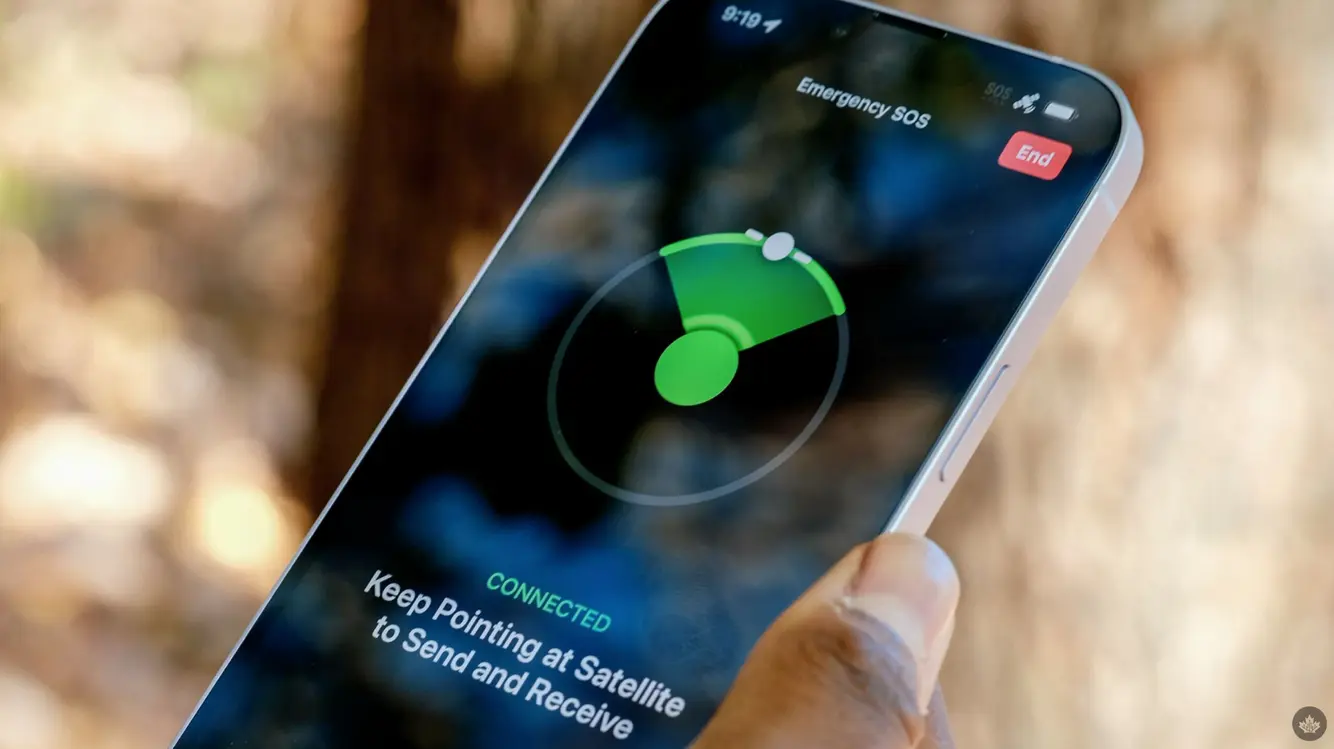

Extended Free Access to Satellite Help for Older iPhones
When Apple first rolled out Emergency SOS via Satellite with the iPhone 14, the plan came with a two-year free period. Three years on, the company has quietly lengthened that window. Apple’s latest newsroom notes tie this extension to the iPhone 17 family, saying the free trial now covers more iPhone 14 and iPhone 15 owners. The update applies to users who activated their device in countries that support Apple’s satellite services before 12 a.m. PT on September 9, 2025.
For people who bought the iPhone 14 back in 2022, the old timeline would have capped the free period in 2024. The new move pushes Emergency SOS via Satellite out to November 2026 for those devices. The rule that the service stays free for two years after activation sticks around for iPhone 14 models and newer. This tweak gives more time for users to try the safety feature without paying.
What It Means for the iPhone 17 Lineup
Apple’s update fits its safety features push across newer devices. The iPhone 17 and 17 Pro can still receive the satellite safety service free for two years after activation. That means a longer safety net for people who work outdoors, travel far from towns, or drive through remote areas.
The extension helps those who live in or visit places with spotty phone service. It gives peace of mind for times when every second counts. The policy also aligns with Apple’s plan to keep older devices useful by widening access to essential tools. In short, you won’t miss out on SOS help just because you own an older model.
iOS 18 Expands Satellite Messaging
Last year, Apple added a satellite messaging feature as part of iOS 18. It lets people send texts even if cellular data is not available. This goes beyond the basic SOS alert. Users can share quick updates and location when they are off the grid.
This satellite messaging option pairs with the SOS system to broaden safe communication. It’s a simple tool that can make a big difference when signals are scarce. The combined features give users more ways to reach help or friends in tough spots.
Tips for Ensuring You Can Use the Service
First, confirm your iPhone is in a country that supports Apple’s satellite features. Availability changes by region, so double-check your location. Next, update to the latest iOS version to access both satellite messaging and the SOS tools. New safety features often arrive with app updates, so staying current matters.
If you own an older device, review Apple’s notes on activation dates and free access. Knowing whether your model still qualifies helps you plan. Consider testing the setup in safe, controlled conditions to ensure you know how it works. A quick test can give you confidence when you really need it.


For those who travel or work in remote areas, this extended trial is a practical safety cushion. You gain extra time to understand how the system works and to learn the steps to contact help. It also gives families and employers a clearer picture of what the phone can do in emergencies.
Practical Takeaways for Users
– Emergency SOS via Satellite remains a key safety feature for iPhone 14 and newer models.
– The free period is now extended for certain iPhone 14 and iPhone 15 users who activated before a cut-off date.
– iOS 18’s satellite messaging adds a new way to stay in touch when signals are sparse.
– Always check country support and keep your device updated for the best experience.
Staying protected becomes simpler when help can reach you wherever you are. After all, the right tools can turn a rough moment into a manageable one.
Please note that when you make a purchase through our links at GameHaunt, we might earn a small commission. This helps us keep bringing you the free journalism you love on our site! And don’t worry, our editorial content remains totally unbiased. If you’d like to show some support, you can do so here.