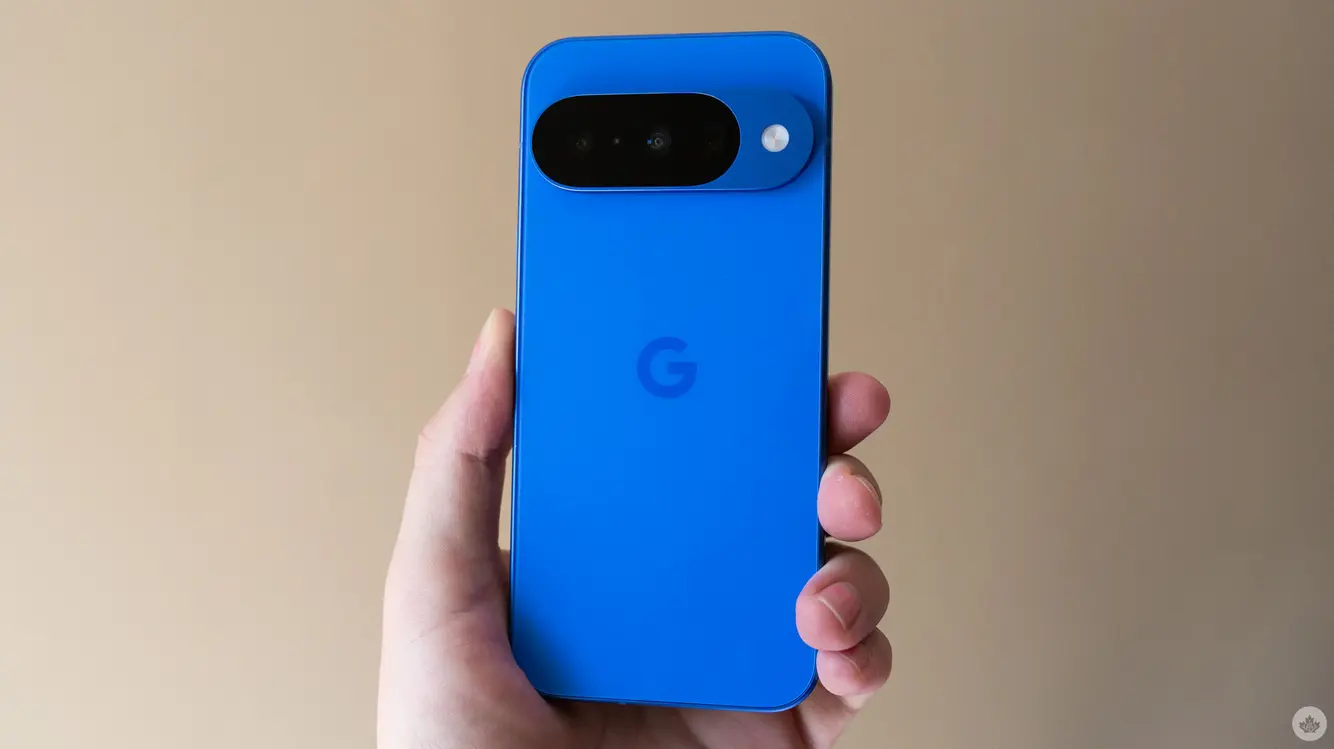

Pixel 10’s RAM Split: 12GB, but a Hidden 3GB for AI
Google’s Pixel 10 ships with a total of 12GB of memory, just as the Pixel 9 did.
What changes is how that RAM is used. Android Authority notes that about 3GB is set aside for AI tasks.
That reserved space isn’t usable by apps or games, even when free RAM is tight.
The goal is speed: AI models should start almost instantly when needed.
Why Google Sets Aside RAM for AI
The extra memory goes to the AICore service and related on‑device tools.
With a chunk kept aside, the Pixel 10 can launch AI features fast.
This helps daily features like Magic Cue, DSLR-like photography, and the Gemini AI work smoothly.
In short, the device keeps AI ready so it can respond quickly.
How this compares to last year
Last year Google did reserve AI memory on the Pro Pixel models, but not on the base Pixel 9.
The Pro line has 16GB of RAM, so there’s more room to spare for AI tasks.
The Pixel 9, by contrast, loaded AI models as needed and kept more free for apps.
That’s a real trade‑off: more headroom for apps versus faster AI responses.
What might have driven the change this year
RAM strategy likely centers on Magic Cue.
Magic Cue uses on‑device AI to offer helpful hints based on context.
If your spouse texts a plan, Magic Cue may pull in a calendar or email to suggest times.
This can save you a few taps and keep you in the flow.
A closer look at on‑device AI and Gemini features
The Pixel 10 also powers on‑device Gemini and advanced computational photography.
Having AI ready means quicker scene processing and smarter photo tweaks without a cloud check.
Users get faster results when editing or enhancing images, thanks to the reserved memory.
These tools aim to make the phone feel more responsive in day‑to‑day use.
Performance real world: does it hurt games or apps?
In practice, the reviewer’s early hands‑on experience felt smooth.
AI tools seemed fast, and regular apps loaded promptly.
There isn’t a direct side‑by‑side test with Pixel 9 here, but no obvious slowdowns appeared.
Still, a couple of heavy multitaskers might want the Pro variant for extra breathing room.
Who should consider the Pixel 10 Pro?
If you juggle many apps at once or run memory‑hungry games, the Pro with 16GB RAM helps.
More RAM means less chance of stuttering when AI tasks are busy in the background.
The base Pixel 10 still offers strong AI speed, but it shares RAM more with the system’s AI needs.
That makes the Pro a safer pick for power users who push their devices.


What this means for everyday use
The Pixel 10 balances smart AI features with solid app performance.
You gain faster AI answers and quicker photo work, alongside reliable multitasking.
For some buyers, the trade‑off is worth it for the AI edge and smoother magic cues.
For others, the extra RAM may be a nice bonus but not essential.
Bottom line for potential buyers
If you often run many apps at once and enjoy AI perks, the Pro could help you stay smooth.
If your day stays lighter and you value instant AI features, the regular Pixel 10 remains strong.
Either way, Google leans into fast on‑device AI to power the Pixel experience.
The question really comes down to how much you value AI speed versus raw RAM headroom.
Please note that when you make a purchase through our links at GameHaunt, we might earn a small commission. This helps us keep bringing you the free journalism you love on our site! And don’t worry, our editorial content remains totally unbiased. If you’d like to show some support, you can do so here.