
<h2 Ubisoft Reboots Its Strategy: A Major Reset for 2026
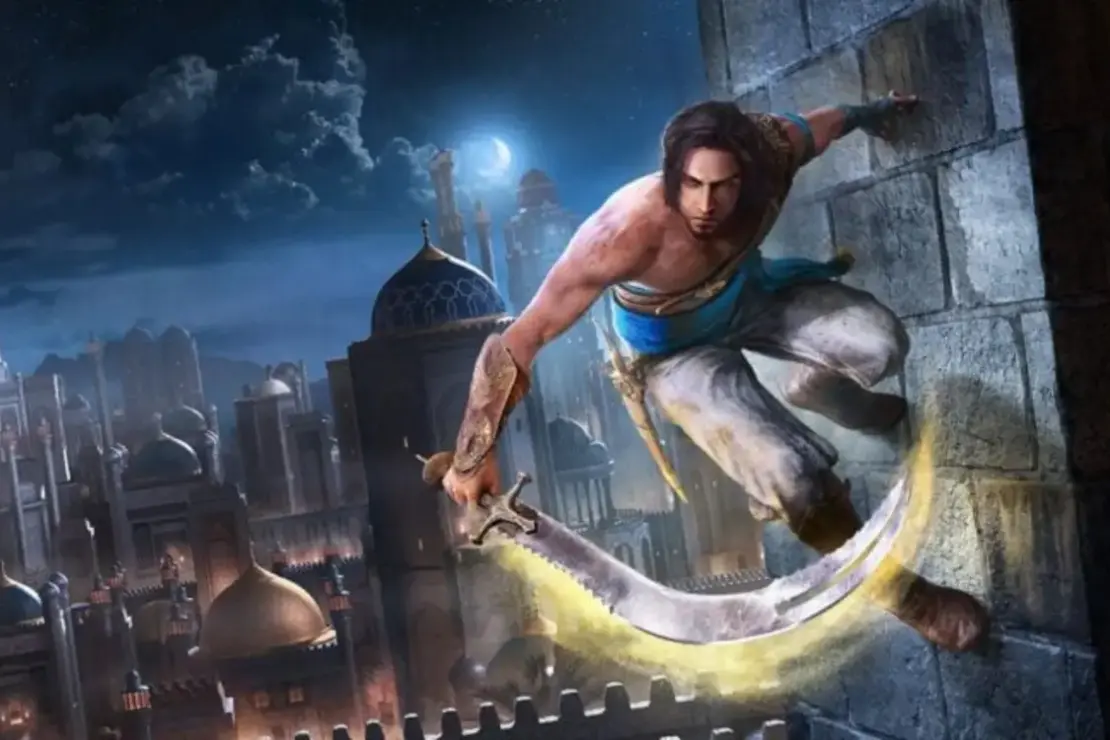
On January 21, 2026, Ubisoft announced a sweeping shake-up of its structure, plans, and game slate. The move aims to restore a strong stance in a crowded AAA field. As part of the overhaul, the company pulled the plug on six games still in development. The most talked-about casualty is Prince of Persia: The Sands of Time remake, a project that had been in the works in some form since 2020. Other canceled titles include four titles that had not yet revealed their concept to the public and one mobile game, with the sixth project remaining unnamed.
<h2 A Clearer Focus: Why Ubisoft Is Cutting Projects
Ubisoft says the decision came after a deep look at its lineup. CEO Yves Guillemot explained that the canceled games didn’t meet the company’s new quality benchmarks or the plan to favor fewer, stronger projects. The aim is simple: push resources toward projects that can grow into big, lasting sellers. The publisher will now lean on two major pillars: Open World Adventures and Games as a Service experiences. By letting go of underperforming titles, Ubisoft hopes to consolidate on proven brands like Assassin’s Creed, Far Cry, and Rainbow Six, with a steady stream of annual releases.
<h2 Inside the Five Creative Houses
To run more efficiently, Ubisoft will run its studios through five decentralized Creative Houses. Each unit acts like a small business, owning its brands and its financial results. Here’s how the new setup breaks down:
– CH1 (Vantage Studios): Home to the core pillars—Assassin’s Creed, Far Cry, Rainbow Six.
– CH2: Focused on shooters with both competitive and cooperative modes—The Division, Ghost Recon, Splinter Cell.
– CH3: Built around live service games—The Crew, For Honor, Skull & Bones.
– CH4: A hub for fantasy and story-led worlds—Anno, Rayman, Beyond Good & Evil.
– CH5: Light, casual, family-friendly projects—Just Dance, Hungry Shark, Hasbro.
In addition to the six cancelations, Ubisoft has pushed several games back to give teams more polishing time. Though the company didn’t name titles directly, industry watchers say a remake of Assassin’s Creed: Black Flag is among the titles likely moved into the 2027 financial year. The delays reflect a larger push to improve polish and ensure strong post-launch support for live service titles.
<h2 The Human Side of the Shake-Up
The restructuring also reshapes how studios work on the ground. Ubisoft has confirmed the shuttering of its studios in Stockholm and Halifax. There are also changes and layoffs at Massive Entertainment, Ubisoft Abu Dhabi, and RedLynx. The moves hit the workforce hard but are pitched as necessary to streamline production and cut overhead. Management says the new setup will help teams stay close to their brands and respond faster to player feedback.
<h2 A New Office Rhythm: Five Days In, No Excuses
A notable policy shift accompanies the realignment: a mandatory five-day in-office workweek for remaining staff. Ubisoft says this is meant to boost development performance and collaboration. Critics inside the industry warn such moves can stir tension, especially for workers who value flexibility. Still, the company argues the tighter schedule will speed up decision-making and keep teams aligned on goals across the five Creative Houses.

<h2 What This Means for Players and the Studio’s Future
Fans will keep an eye on how the open world and <Live service strategy unfolds. Ubisoft has large, well-known brands that have built lasting communities. If the five Creative Houses can deliver high-quality experiences on a reliable schedule, the plan could strengthen the publisher’s position in the space. The cancellations are a clear signal that Ubisoft wants fewer, tougher bets. It’s a move to protect long-term growth rather than chase quick wins.
Analysts have noted that the company’s renewed focus on core franchises could lead to cleaner roadmaps. Fewer projects in development at once means more time for polish, bug fixes, and meaningful post-release plans. The push toward live service games could also keep players engaged longer, if executed with steady content drops and solid balance updates. However, the shift will require smooth collaboration across the new Creative Houses and their many teams.
From a broader view, Ubisoft’s decision to prune its slate mirrors a trend among major studios. They are choosing to invest in durable brands and reliable service models. The move might also set a tone for how other publishers manage big catalogs and ambitious, sprawling projects. If the strategy pays off, the company could regain momentum in a market that rewards lasting fan loyalty and well-supported online ecosystems.
<h2 Keeping the Digital Canoe Steady
The company’s leadership has said the course is about quality, not sheer volume. By trimming the menu, Ubisoft aims to deliver stronger launches and better ongoing support for its most popular series. The road ahead will test how fast teams can align under the new structure and how well the live service approach holds up to continuous updates and events. For now, players get a clearer sense of where Ubisoft sees its strengths and how it plans to grow its most cherished worlds.
Please note that when you make a purchase through our links at GameHaunt, we might earn a small commission. This helps us keep bringing you the free journalism you love on our site! And don’t worry, our editorial content remains totally unbiased. If you’d like to show some support, you can do so here.