
Canada’s Video Game Image Isn’t What It Should Be
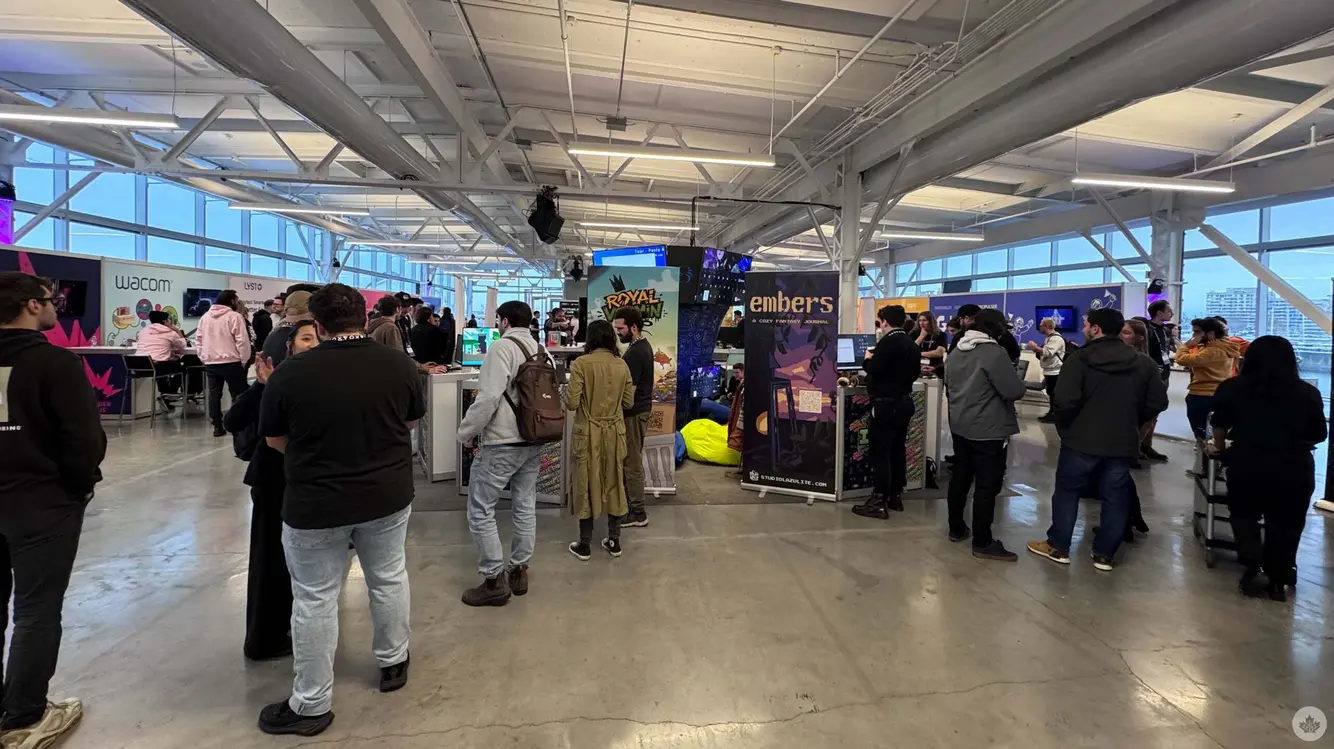
Canada’s game scene still fights an image issue. At the Montréal International Games Summit, experts pointed to the gap between what the country does in games and how people see it. The talk focused on what helps Canada lead in creation, production, and new ideas, and what still holds us back.
Video games bring big value to Canada’s economy. This is something we hear a lot at conferences and in reports. Yet society often misses how many Canadian creators shape global hits. People talk about the big studios, like Ubisoft Montréal, BioWare Edmonton, and Behaviour Interactive. Those names stay in minds at home and abroad, but countless smaller studios often slip off the radar. Canada is home to 821 game studios, mostly in Ontario, Québec, and British Columbia. They release hundreds of titles each year, and there are many more in development than any list can show. Still, ask a casual player about a recent big Canadian game, and Assassin’s Creed: Shadows might be the only answer you get.
Soft Skills Are in Short Supply
Montreal-based Indie Asylum is a hub for independent studios. Founder and general manager Christopher Chancey says bluntly, “We never built a workforce to sell games.” We’re great at making games, he adds, but not as strong at selling them. A lack of investment and fewer tax credits for people who work on the business side—like marketing and sales—shrinks the talent pool. Those soft skills are crucial in today’s crowded market.
Josh Nguyen, who runs strategy at Xsolla in the region, agrees. He sees too much disdain for marketers and hopes that attitude fades. The market now runs on big numbers: hundreds of new games ship on Steam, up from a few hundred a decade ago, and the push for profit is clear. Chancey notes the shift toward a business mindset in game work. Josh Nilson, founder of Maskwa Games, adds that a steady approach works best: slow growth paired with small, nimble teams.
Funding Is a Hurdle, and Ownership Matters
Finding money for Canadian projects isn’t easy. Chancey says money costs more now, and investors are careful, seeking safer bets. The tricky zone is projects under about 10 million CAD. There’s plenty of foreign money, which helps projects grow but can shade how Canadians see the market. When outside funds lead the way, profits can flow out of the country, not stay with the people who built the game.
Lysane Perreault, Studio Head at Norsefell, points out that more Canadian investors and publishers are needed. If Canada wants to keep its track record as a strong game maker, capital should stay here and be used to grow local studios. The good news is a slow recovery is under way. Some projects are back on track, and new ownership of IPs is rising again. Indie Asylum’s co-op model, plus bootstrapping and micro-investments, alongside government support, are helping more teams move forward.
Public Support Keeps the Scene Alive
Canada does offer solid backing for developers. The country has the Canadian Media Fund (CMF) and provincial groups like Interactive Ontario and the Guilde du jeu vidéo du Québec. The Entertainment Software Association of Canada (ESAC) also lobbies for the industry. That public support is a big positive, according to Nilson. Yet Chancey says more tax credits—especially for marketing jobs and strategic choices—would be a big boost.
Finding Canadian Games Is Harder Than It Should Be
Canadian games are easy to spot at big shows like Gamescom and The Game Awards. The real problem is making them easy to find for players. Distribution is the main hurdle, even for games that celebrate Indigenous culture and other unique themes. Nilson notes, “We have strong art and culture programs. How do we connect with the big distributors?”
There isn’t a single clear path for finding Canadian-made games. Steam groups like Canadian Games Devs offer lists, but they’re not well known. Private recommendations help, but few people know where to look unless they are already in the loop. Special Steam sales events like Quebec Games Celebration and Canadian Games Sale are a step forward, yet they don’t reach broad audiences outside the platform.


Where Do We Go From Here?
There’s no easy fix yet. The country does have an image problem for its game scene. But effort is underway. The mix of public funding, private support, and new business models hints at a brighter path. Seeing more Canadian-owned IPs and fresh funding methods gives hope for a steadier, more visible industry.
Canada’s strengths remain strong. The country’s support network and a growing list of programs keep creators in the game. A stronger push on marketing, better access to distributors, and more Canadian money staying at home could lift the scene a lot. If those pieces align, players worldwide will hear more about the wide range of Canadian-made games.
There’s a long road ahead, but the work is clear. Build solid teams, foster business know-how, and push for smarter paths to fans. With steady effort, Canada can stand out as a place that both makes and guides games the world loves.
Please note that when you make a purchase through our links at GameHaunt, we might earn a small commission. This helps us keep bringing you the free journalism you love on our site! And don’t worry, our editorial content remains totally unbiased. If you’d like to show some support, you can do so here.