
<h2 A Major Fibre Link Slices Across the St. Lawrence
After getting the green light in late summer, Telus has started laying a long stretch of fibre across the St. Lawrence River, near where it opens to the Atlantic. The plan moves between Sept-Îles on the southern shore and Sainte-Anne-des-Monts on the opposite side. This is a large project, with an estimated price tag around $20 million. The Government of Canada is helping, contributing as much as $7.5 million, along with Telus funding its share.
<h2 A Bold Step for the North Shore’s Internet Future
Telus’ chief tech leader, Nazim Benhadid, says the project caps off years of careful planning and marks a big turn in coastal tech for the North Shore. The official release notes that the cable should be up and running within weeks of installation, making the network jump feel close at hand.
<h2 How the Work Unfolds on the Water
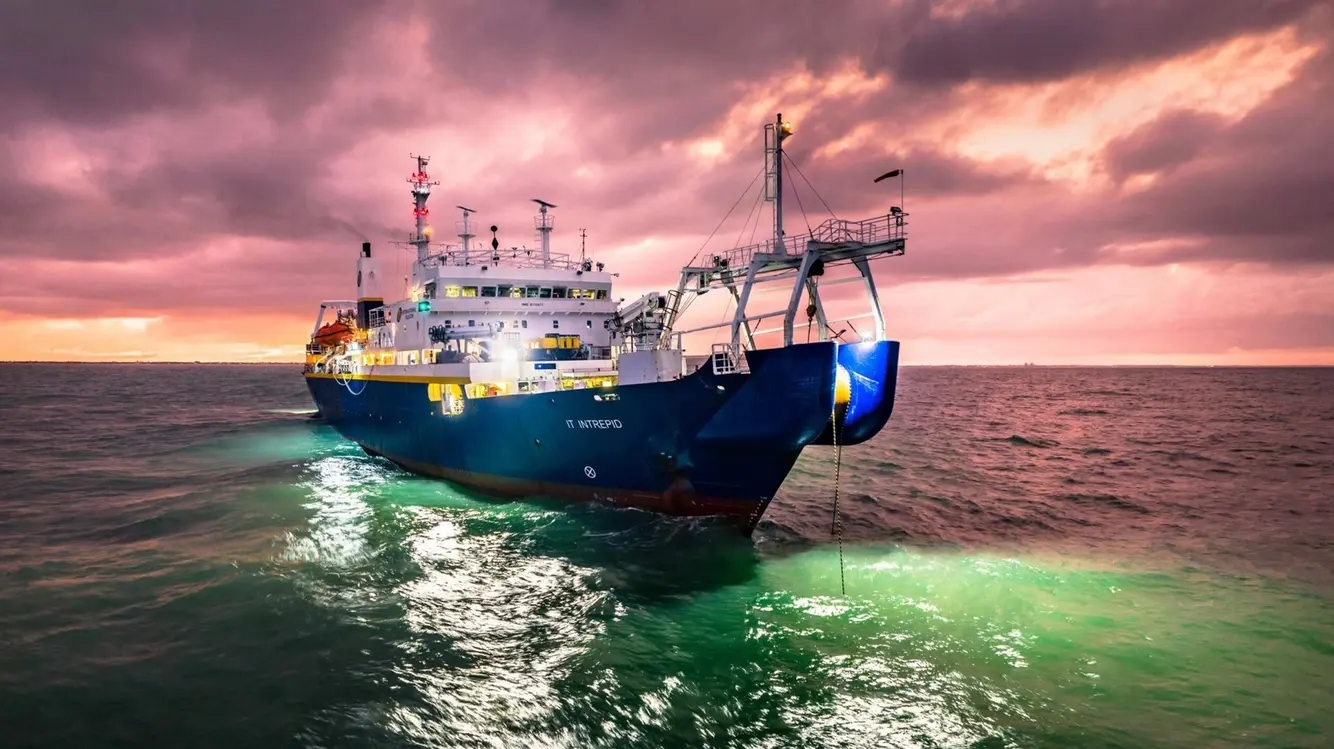
A large cable ship will handle the main installation, and the team expects the process to take roughly 10 to 15 days. The finished line will stretch about 125 kilometers, a wide path for data to travel between communities. The cable itself is slim, roughly 3 centimeters in diameter, yet it will lie well below the ocean floor, buried about 1.5 meters deep. This burial helps it stay out of the way of ships and sea life, ensuring longevity and protection from surface hazards.
<h2 The Tech That Powers the Link
Fibre optics are the heart of this project, delivering fast, reliable internet across a vast coastal zone. The buried run reduces risk from anchors, fishing gear, and other gear that could snag a shoreline line. With proper upkeep, these cables are designed to last for decades, giving towns and homes a stable online path for years to come.
<h2 Why This Matters for the North Shore
Right now, the region stands to gain more than just a faster web. Getting fibre to more homes requires a broader network push, especially on the northern side of the river. The new line will help smooth out gaps in service and bring higher speeds to places that have struggled with spotty connections. It also sets the stage for more services, from sharper video calls to better online learning and streaming at home.
<h2 Funding, Timelines, and the Bigger Picture
The project sits at a crossroads of public and private investment. For the government, support shows a commitment to regional growth through modern infrastructure. Telus fronts much of the effort, coordinating with ferry routes, coastal pilots, and harbour authorities to keep the schedule tight. The plan calls for full operation not long after the cable is laid, with the final days centered on testing and system checks before customers notice a real upgrade.
<h2 What Comes Next for Homes and Businesses
Even as the wire makes its way under the sea, work remains on land to link more homes and firms to the new fibre. Utilities and providers on the north side will need to extend distribution networks, install local lines, and update community facilities. Residents can expect a ripple effect as households switch to faster, more reliable service and local firms gain a stronger digital backbone for online work, e-commerce, and remote collaboration.
<h2 A Glimpse at the Numbers Behind the Build
– Distance: about 125 kilometers of cable.
– Cable diameter: roughly 3 centimeters.
– Burial depth: around 1.5 meters beneath the sea floor.
– Installation window: roughly 10–15 days for the main laying phase.
– Project cost: near $20 million, with Canada contributing up to $7.5 million.
– Partners: Telus leads, with support from federal funds and local authorities.


<h2 On the Ground: What This Means for Everyday Access
For families, this effort can translate to clearer video chats, quicker downloads, and steadier streaming, especially during busy evenings. Small businesses along the river may see smoother online sales and better cloud work. Schools and libraries could rely on more robust connections for remote lessons and digital resources. The plan centers on bringing reliable local service to places that have long awaited stronger options.
<h2 Keeping the Pace and Making It Last
Officials emphasize that the work is just one part of a larger move to boost connectivity along the coast. When the north side finally catches up with more fiber drops, the region could enjoy a more balanced, resilient network. The result should be fewer outages and more predictability for people who depend on the web every day.
<h2 A Note on the Journey Ahead
This cross-river link illustrates how large-scale upgrades can reshape daily life. It shows how public money and private effort can join forces to push infrastructure forward in a practical, patient way. As crews finish the lay and turn on the lights, residents will begin to feel the change in real time.
Please note that when you make a purchase through our links at GameHaunt, we might earn a small commission. This helps us keep bringing you the free journalism you love on our site! And don’t worry, our editorial content remains totally unbiased. If you’d like to show some support, you can do so here.