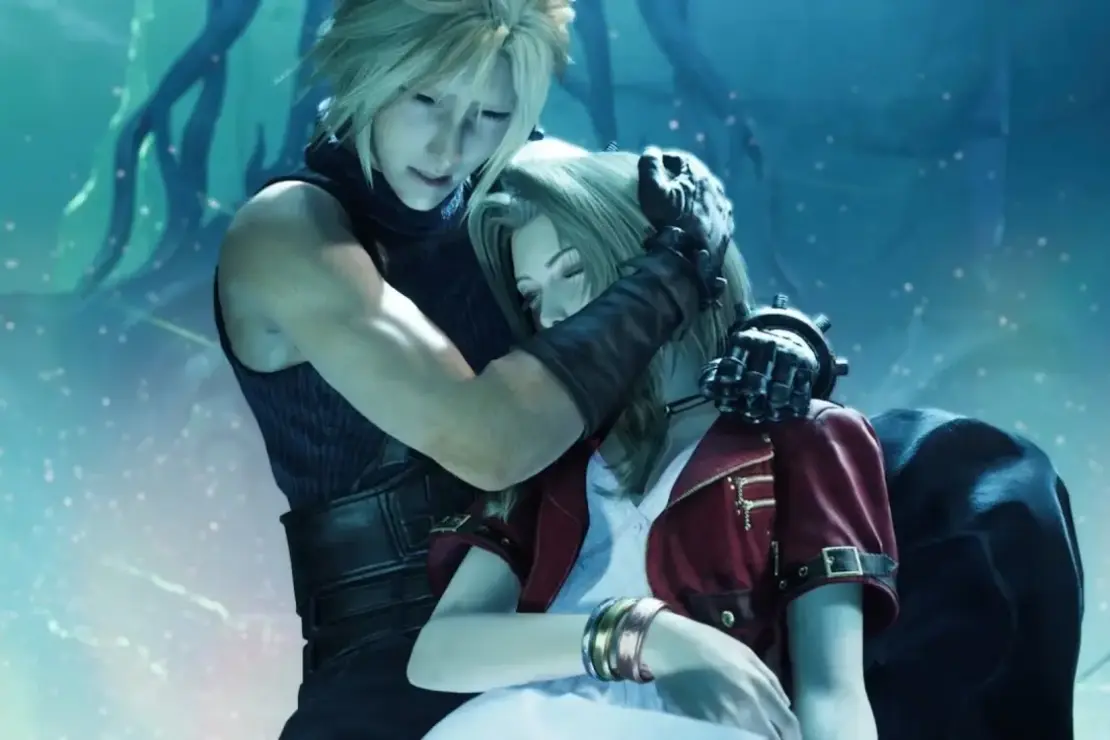

Have you ever felt empty after the credits roll? You’re not alone. Post-game depression affects millions of gamers, but RPG players feel it most intensely. According to research published March 2026 in *Current Psychology*, RPG players show the strongest depressive symptoms after completing games. The study tested 373 participants and found severe emotional blows happen most often after finishing story-heavy titles like *Kingdom Hearts* and *Red Dead Redemption II*.
- Severity: RPG players scored highest on all four measures of sadness
- Study Size: 373 gamers took part in the research
- Key Trigger: Strong bonds with characters over long play times
- Academic Source: *Current Psychology* journal, March 2026
- Research Team: SWPS University and Stefan Batory Academy of Applied Sciences
Why RPGs Trigger Post-Game Depression More Than Other Genres
Role-playing games demand more than quick reflexes. They ask for your heart. From what we’ve seen covering the industry, players spend fifty to one hundred hours with these virtual friends. When the story ends, the loss feels real. Scientists call this P-DGS (post-game depression syndrome). The March 2026 study marks the first time researchers put hard numbers to this feeling.
The team from SWPS University and Stefan Batory Academy of Applied Sciences wanted to know why some games hurt more to finish. They looked at four specific areas of player grief. Unlike fast-paced shooters or racing titles, RPGs create deep empathy. You don’t just watch the hero; you become them. When their journey ends, yours does too.
The Four Signs of Post-Game Sadness
The study broke down P-DGS into four clear stages. Think of them as the phases of gaming grief.
Your Mind Won’t Let Go
The biggest factor? Game-related ruminations. This fancy term means you can’t stop thinking about the game being over. “I sat there staring at the menu screen for an hour,” one RPG fan shared with us. “I didn’t want to leave that world.” Players loop scenes in their heads and wonder what happens next to their digital friends. This stage scored higher than all others in the research.
Other Games Feel Boring
Media anhedonia hits next. This means other shows, books, or games lose their shine. After the emotional high of a grand RPG finale, jumping into a quick match of a battle royale feels flat. Your brain compares everything to the epic tale you just finished. Nothing else seems good enough.
Goodbye Hurts
Long RPGs build family bonds between you and your party members. The study calls this the “challenging end of experience.” You grieved with these characters. You laughed at their jokes. Saying goodbye triggers the same ache as leaving summer camp friends. The longer the game, the harder the parting.
The Urge to Start Over
Finally, many players feel a strong need to replay the game immediately. Not for fun, but to fill the hole. The study labels this “necessity of repeating the game.” You want to recapture that first-time magic, even though you know the ending now.

Books vs. Boss Battles: Why Stories Sting
This isn’t the first time scientists saw this pattern. A 2012 study on fiction books found the same thing. Reading deeply immersive novels can “emotionally transport” you. You gain empathy for the characters, but you also feel sharp loss when the last page turns.
Video games amplify this effect. Books might take ten hours to read. RPGs take sixty or more. You make choices in games. You save the character from death. You pick their clothes and their moral code. That active role creates stronger ties than passive reading. The 2026 study proves that games don’t just copy the book effect; they intensify it.
How P-DGS Differs Across Genres
Not all games leave you blue. The study compared RPGs to other popular types. Action games and sports titles showed much lower scores on the depression scales. These games focus on skill and scores. When you beat them, you feel proud, not empty. You can always play another match.


RPGs sell you a one-way ticket to another life. You can’t replay your first fight with the final boss with fresh eyes. You know the twist. The magic of discovery only happens once. This explains why *Red Dead Redemption II* haunts players for weeks while a quick round of *Mario Kart* never does.
Frequently Asked Questions
What exactly is post-game depression?
Post-game depression is the empty, sad feeling players get after beating a deeply immersive game. Scientists call it P-DGS. It involves grief over leaving game worlds and losing the daily habit of playing.
Do shooters and racing games cause P-DGS too?
Any game can cause mild blues, but the study shows RPGs create the strongest effects. Fast games with thin stories rarely trigger the four stages of gaming grief seen in role-playing titles.
How can I feel better after beating my favorite RPG?
Take a short break before starting your next game. Talk about the story with friends who played it. Some players write fan fiction or draw art to process their feelings. Time heals the hurt.
Is post-game depression bad for my mental health?
For most players, these feelings fade within days or weeks. The study notes it proves you cared deeply about the art. If sadness lasts longer, speaking with a professional helps. Otherwise, view it as proof of a great adventure.
Next time you feel that hollow ache after saving the world, remember that post-game depression simply proves how much the journey meant to you. The best RPGs create bonds that last long after you power down, and that magic is worth every tear.
Please note that when you make a purchase through our links at GameHaunt, we might earn a small commission. This helps us keep bringing you the free journalism you love on our site! And don’t worry, our editorial content remains totally unbiased. If you’d like to show some support, you can do so here.