
China’s Gaming Rise in Focus
China is reshaping the game world with fast growth and big ideas. Shuhei Yoshida, a veteran PlayStation leader, sees real edge for Chinese studios. He shared this view in a recent interview and did not sugarcoat it. The country’s teams push out ideas and games at a pace you rarely see in this field. That speed is turning heads and reshaping how people think about making games.
Speed as a Core Advantage
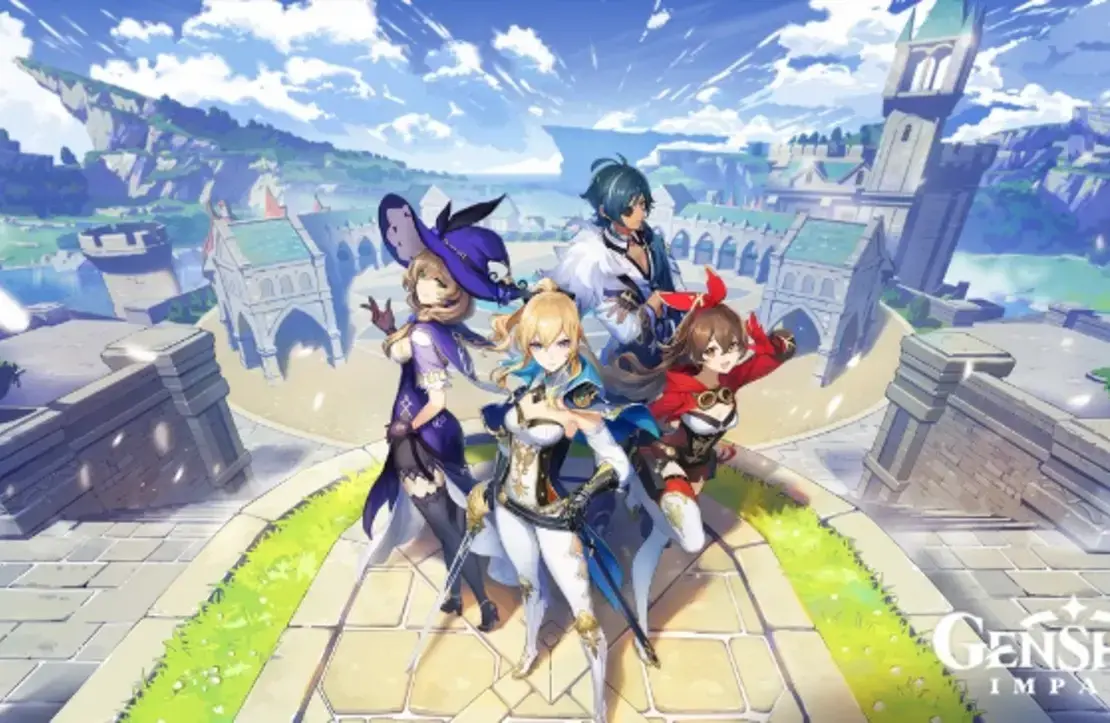
Yoshida highlights a simple fact: Chinese studios move quickly from idea to finished product. They shift teams around as needed and try new directions without delay. He uses miHoYo as a prime example. The studio behind hits like Genshin Impact and Honkai: Star Rail shows how fast a project can go when plans stay flexible. Their workflow often feels ahead of many rivals, making it hard for others to match.
Genshin Impact, which launched in 2020, and Honkai: Star Rail, released later, show a blend of speed and polish. The team fronts new ideas fast, then refines them to keep players hooked. That balance—rapid start plus careful finish—helps their games stand out. Yoshida believes this rhythm is tough for many to copy, especially in markets with stiffer rules and slower pipelines.
The Scale Move: Big Teams and Quick Hires
A key driver here is the scale of hiring. Chinese studios can bring in large numbers of staff quickly. Big, diverse teams keep work moving and reduce downtime between phases. This approach helps them stay fast while still aiming for solid quality. Yoshida notes that such a model meets legal and cultural hurdles in Japan, making it hard to reproduce there. The result is a clear lead for China in today’s game scene.
This staffing strategy lets studios push more content out at a steady pace. It also creates a culture where people stay in long work rhythms to hit ambitious timelines. When a studio has a wide pool of talent, it can test more ideas and cut out slow bottlenecks. The effect is a game loop that can deliver both scale and depth, not just quick releases.
Global Impact on Game Making
The shift signals a real change for the whole game market, a Global Impact on how publishers and devs worldwide operate. Publishers and devs worldwide feel the heat to speed up and raise their game. If one region can move this fast and keep quality high, others must step up or risk losing ground. The rise of Chinese studios like miHoYo shows how a strong production engine can reshape what fans expect from big releases.


What to Watch for Going Forward
As the pace of development grows, observers will watch how this play out across genres. We may see more live-service titles and bigger, multi-year projects pushed through faster cycles. Teams could change how they plan, test, and polish games to stay competitive. The key will be balancing speed with the care that gives players memorable worlds and messages.
Fans should expect more activity from major players in China and from studios that aim to match this tempo. The landscape may shift toward shorter, more iterative development while keeping the high finish players expect. If this trend holds, the rest of the industry will need clever strategies and strong talent pools to keep up.
Looking ahead, the global game scene could get a steadier flow of big releases and smaller, well-crafted hits. The push from Chinese studios might spark more collaboration and creative partnerships worldwide. It’s an era where speed and quality can travel together, reshaping how games are built and enjoyed.
Please note that when you make a purchase through our links at GameHaunt, we might earn a small commission. This helps us keep bringing you the free journalism you love on our site! And don’t worry, our editorial content remains totally unbiased. If you’d like to show some support, you can do so here.