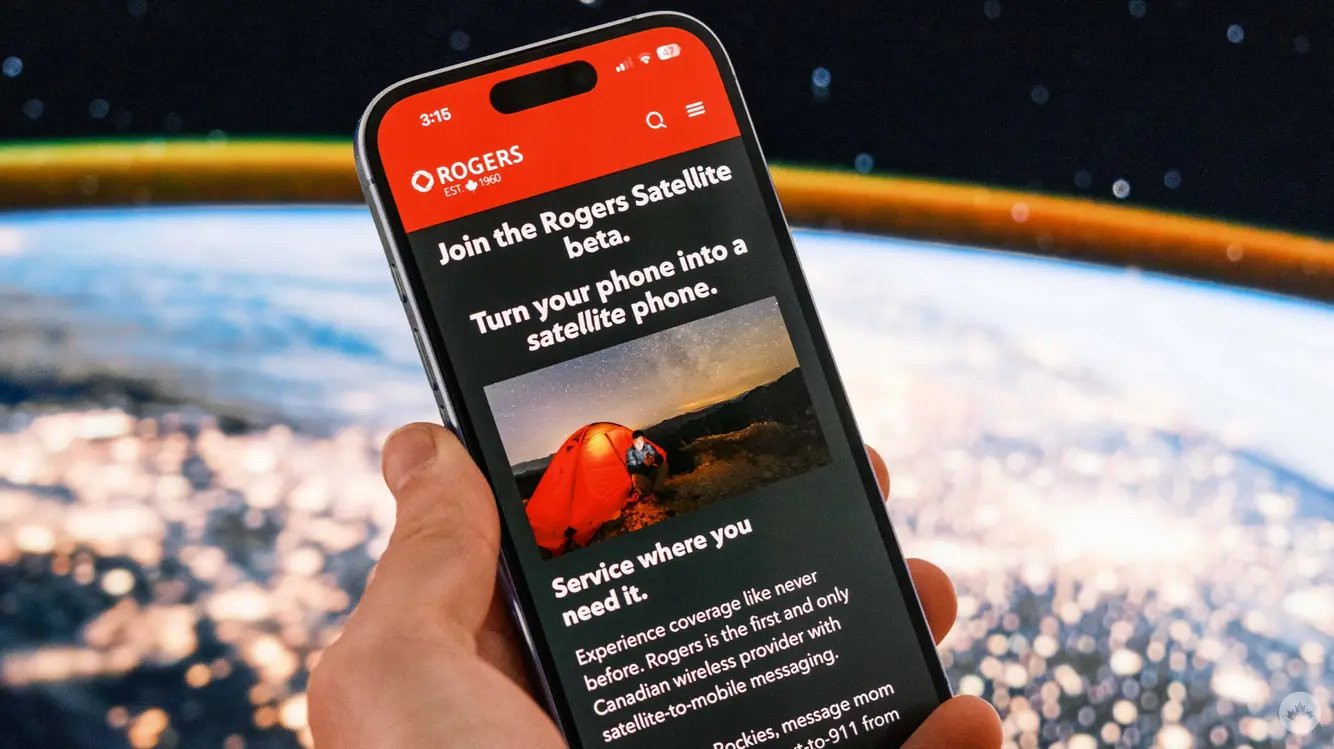

Rogers Satellite Pushes Forward with App Access Off the Grid
Toronto’s Rogers is testing a new satellite link that lets you run common apps even when there’s no cell signal. The program is in beta, and more apps are expected to come on board as developers tune their software for satellite use. The main aim is clear: keep essential apps usable in places where the network is scarce, and do it in a way that fits real-world use, not just theory.
What Rogers Satellite brings to everyday users
The move gives a path for popular apps to work over satellite networks. This matters most for times when you’re far from city towers or in an area with weak coverage. The goal is to deliver steady, low-bandwidth performance so apps still feel usable rather than frustrating.
Rogers notes that the list of compatible apps is live and growing. Developers are tuning their apps to run better over satellite, so what’s supported today might expand soon. In short, satellite support is evolving, and early testers should expect updates as the software gets refined.
For people who spend time off the grid, this service can be a real lifeline. In an emergency, having access to maps, messages, and weather can make a big difference. The ability to stay connected, even partially, is a useful feature for hikers, campers, and travelers who want a safety net.
Differences can show up between operating systems. Android and iOS devices may not behave identically when moving from cellular to satellite networks. It’s not unusual to see some apps perform better on one platform than the other, at least in this beta stage.
Apps that work today
Android users currently have access to several practical tools. The list includes weather data, mapping, and messaging options, as expected for everyday use.
– AccuWeather
– CalTopo
– Google Maps
– WhatsApp
– X
iPhone and iPad users share many of the same apps. The focus here remains on quick access to weather, maps, and chat, which are most helpful when you aren’t near reliable cell service.
– AccuWeather
– CalTopo
– WhatsApp
– X
Rogers stresses that availability can differ by platform. Not every app will work the same on Android and iOS, and some titles may show up later as the satellite feature matures. The beta is designed to be a testing ground, not a finished product, so flexibility is part of the plan.
What this means for off-grid days
The satellite option is built with two kinds of use in mind. First, practical day-to-day tasks like checking the weather or getting a quick map. Second, emergency scenarios where every little tool helps. The emphasis is on reliability and speed enough to share a quick message or pull up key directions, even if the signal isn’t perfect.
Users should expect improvements as developers optimize how apps pull data through satellite links. Latency and bandwidth can vary, so some actions may take longer than usual. Still, having steady access to essential services matters a lot when you’re out of range.


Pricing and trial details add another layer to the experience. Rogers is letting satellite testers use the service for free through December. After the beta ends, anyone not on the Rogers Ultimate plan will switch to a paid option. The plan costs 15 dollars per month, with a welcome discount of five dollars for the first year for beta users. The value here comes from keeping key apps usable in places where normal mobile data falls short.
What to expect next
Rogers says the app list will keep growing as more developers bring satellite support to their software. That means more tools could join in the coming months, making satellite access feel less like a niche feature and more like a standard option for off-grid use. If you rely on maps, weather, or instant messages while away from towers, this effort could become a normal part of your setup.
Developers will likely push optimizations for different devices. As more people try the service, Rogers will gather feedback to guide improvements. The beta is a test bed, and that testing phase should help shape a smoother, more reliable experience over time.
For now, the focus stays on practical apps that people already use every day. The satellite path isn’t meant to replace full online speeds, but to offer a helpful bridge when you need it most. The beta approach keeps the door open for new features and more choices without forcing users into a single fixed setup.
If you’re curious about how this could fit into your outdoor or travel plans, keep an eye on Rogers’ updates. The mix of weather, maps, and chat tools is a solid starting point. The broader goal remains clear: give people a reliable way to stay connected even when the grid isn’t.
Please note that when you make a purchase through our links at GameHaunt, we might earn a small commission. This helps us keep bringing you the free journalism you love on our site! And don’t worry, our editorial content remains totally unbiased. If you’d like to show some support, you can do so here.