
MOONTON Joins IGET’s Dispute System for MLBB and Beyond
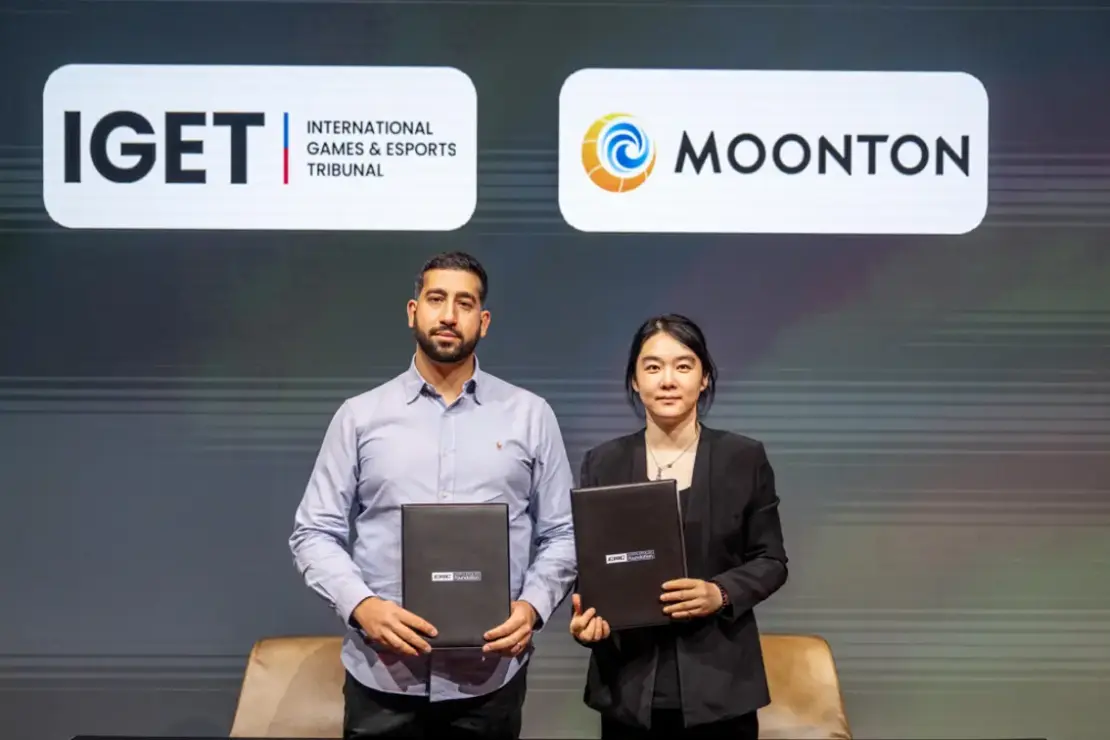
At the New Global Sports Conference in Riyadh, IGET and MOONTON Games unveiled a major move. MOONTON will adopt IGET’s dispute framework as the standard across its global gaming network. IGET is a not-for-profit body created by the Esports Integrity Commission alongside WIPO AMC. The group runs specialized ADR services for the esports world. This setup gives players and teams a clear path to resolve cases about fairness, contracts, and IP disputes.
What IGET Is and How It Helps
IGET sprang from a need for clean, fast dispute handling in esports. It is backed by ESIC and WIPO AMC, two groups with strong ties to sport integrity and IP law. The organization relies on a panel of experts in gaming, law, and intellectual property. They offer mediation and arbitration that stays friendly to players, sponsors, and teams. The goal is to keep disputes out of lengthy court processes while remaining fair and impartial.
A Clear Sign of Fair Play
MOONTON Games stands out as a top mobile esports publisher. The company has long pressed for fairness, openness, and solid governance. By embracing IGET, MOONTON links its competitive space to widely recognized, sector-focused standards. This move signals a steady push toward stability in a fast-growing scene. It shows MOONTON wants governance to keep pace with how esports evolves.
Voices from the Partners
Stephen Hanna, Executive Director of IGET, welcomed the agreement. He called the move a forward step that strengthens governance across the esports world. “Choosing IGET gives publishers a professional, independent, and purpose-built dispute track,” he said. Cherry Xia, MOONTON’s Head of Publishing, praised the decision. She noted that strong governance underpins sustainable growth and Fair Play. Xia stressed that adopting IGET’s framework shows the firm’s commitment to integrity. She added this approach helps create exciting games while letting players, teams, and partners compete with trust.
For more on Esports Governance, see Esports Governance.
Understanding the ADR Path in Practice
IGET’s process centers on speed, neutrality, and clarity. A case starts with a simple filing, followed by a quick review. If needed, parties may opt for mediation to find a settlement. If mediation fails, arbitration provides a binding decision. The system favors accessible, private resolution over protracted court battles. We can expect decisions to be enforceable across MOONTON’s global network.
What This Means for the Community
Fans and teams will likely enjoy faster, clearer outcomes. The ADR route keeps disputes away from long, drawn-out fights. It lays out rules that apply equally across regions and titles. Intellectual property questions become easier to handle with a neutral judge. The framework helps keep partnerships intact while protecting player rights. For MOONTON, this is a milestone in aligning with a trusted, global approach.


Shaping the Esports Landscape
The deal sends a strong nudge to major publishers. It shows they seek solid, independent venues for dispute work. IGET’s nonprofit status and worldwide reach add credibility to the plan. If MOONTON succeeds, other studios may adopt similar routes. That could raise the bar for how the industry handles conflicts and IP issues. This is not just about one game; it’s about how the sector runs as a whole.
A Fresh Path Forward for Mobile Esports
MOONTON’s choice proves good governance can lift all sides. The move ties together clean rules with fun play, strengthening the MLBB ecosystem. Players, teams, and partners gain more trust to compete and grow. A reliable dispute path helps keep leagues moving smoothly. It also helps tournaments stay on track with fewer delays. The result is a healthier scene for fans and players alike.
Looking Ahead
The partnership could push others to adopt similar dispute systems across mobile esports. It may speed up how agreements are managed and how IP is protected. In the long run, a unified framework could lower friction in cross-border play and sponsorship deals. This kind of standard helps smaller teams feel safer joining big events. It also gives audiences a clearer view of how conflicts get settled.
Please note that when you make a purchase through our links at GameHaunt, we might earn a small commission. This helps us keep bringing you the free journalism you love on our site! And don’t worry, our editorial content remains totally unbiased. If you’d like to show some support, you can do so here.