
A Fresh Kind of Double Fine Game: Keeper Exercises Silence and Wonder
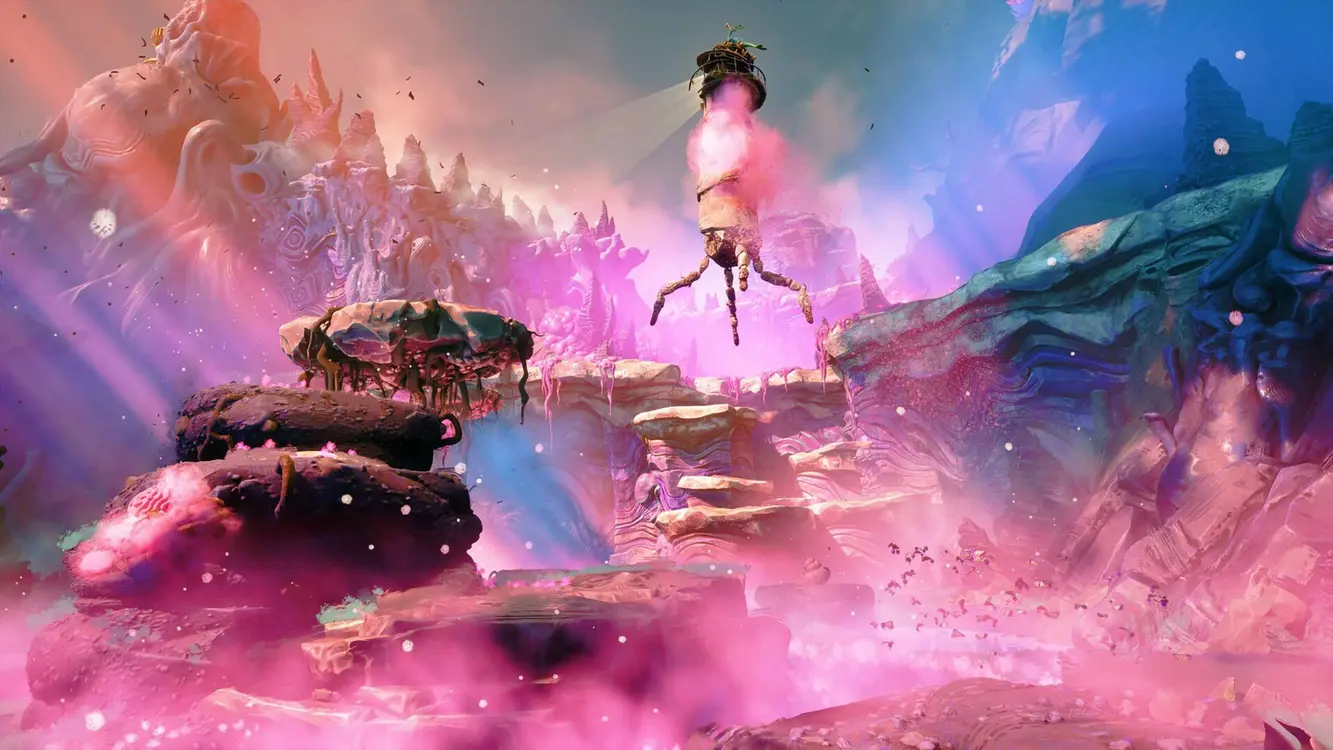
For more than two decades, Double Fine Productions has brought bold ideas to light. The studio is known for quirky, creative hits like the Psychonauts series and Brütal Legend. Now it pens a work that could stand as its most singular effort yet. Keeper is a puzzle adventure where you play as a lighthouse. It has no spoken language at all, and you explore a dreamlike world with a small bird named Twig. The team spoke with creative director Lee Petty to pull back the curtain on how this quiet game came to be, and why it forgoes typical game devices like dialogue or combat.
Where the Idea Comes From and How It Grows
Pinpointing the exact start of a new concept can be tricky. Petty says Keeper grew from a clear moment during the pandemic. He spent more time on nature walks and hikes, thinking about how life might look far in the future. He watched a lot, and his mind wandered toward a world after humans. What would the place look like if nature carried on its own course? How would it connect beings if we were gone?
During that period he saw a film about fungi and networks. The idea of mycelial webs sparked a vivid image. trees and other life sharing nutrients via hidden paths gave him a seed for a future island. He pictured a lone lighthouse left behind, its job unclear with no ships to guide. The spark was simple: what purpose would a lighthouse have in a world without people?
From that seed, the team started mapping how a lighthouse could be the lead character. The challenge then was to figure out how such a structure could drive the game’s play. What tools and actions would it offer players? How would the world react to a beacon that never truly needs to be lit for travelers?
That moment of clarity stands at the heart of Keeper. It is the core idea that shaped every design choice that followed.
Using No Words to Tell a Rich Tale
Double Fine has a reputation for sharp, witty writing. Keeper asks players to read a different kind of story. The project purposefully does not use dialogue or text. Petty says removing words lets the other parts of the game shine— visuals, sound, and space become the language. The art style aligns with that goal, mixing surreal visuals with sound design to do the talking.
The art draws from famous dreamlike painters like Salvador Dalí and Max Ernst. That influence helps create a world that feels strange yet inviting. With no lines of dialogue, the game leans on atmosphere to carry emotion. Players pick up mood through visuals, music, and the way the camera moves.
This choice also affects how you move through the game. The cameras aren’t fixed. They shift and flow, tracking the lighthouse’s light and your route. The team designed them to guide you softly, not to shout “go here.” Without speech clues, you’re gently led to explore.
A Visual Experience That Encourages Calm Discovery
Keeper aims for a calm, unhurried vibe. The creators did not plan combat or chase scenes. They wanted a gaming space that feels more like a pausing moment than a rush to a goal. There are puzzles and trials, but you can’t fail in the usual sense. There are no deaths, no punishment, and no endless grind.
The idea was to evoke real emotion through mood and image. Players meet a lighthouse and a small bird, and their growing friendship becomes the heart of the tale. People often say the bond feels genuine and moving. That emotional thread matters more than labels like “win” or “lose” emotional connection.
The crackdown on typical gameplay loops also helps the game stay accessible. You can wander and study a scene if you wish. The world rewards attention rather than quick reflexes. It’s a gentle, absorbing trip that respects player curiosity.
For fans of calm discovery, explore more on calm discovery.
Design Choices That Shape Your Time in Keeper
A big part of Keeper’s charm lies in how it shows you what matters. The game’s set pieces reveal themselves through the environment. The team decided that players should see all the important bits without being hurried. Early builds that rushed you felt less alive. The camera system was rebuilt to stay present, not push you forward.
The goal was to keep the world inviting. You’re not rushed to move on; you’re free to linger and soak in the mood. The feeling is part of the game’s draw. People connect with the lighthouse and Twig in a way that’s hard to force with action alone.


Petty explains that the lack of action isn’t a lack of drama. The drama comes from the visuals and sound, from the small choices you make as you move through the strange coast. The result is an experience that can move you deeply without classic game goals.
Where and When You Can Play
Keeper lands on Xbox Series X/S and PC, with games on Steam and the cloud. It hits the platform line on October 17. It will also be a day-one title on Xbox Game Pass Ultimate, making it easy to try for subscribers.
The team at Double Fine brings a track record of bold ideas. Keeper marks a fresh take from a studio that has never shied from unusual routes. This is a game built around mood, art, and quiet discovery—a bold shift for a company known for sharp wit and strong world-building.
A Thoughtful Final Note on Keeper
Keepers of strange places may find this game a powerful invitation. It asks you to read a world through light, sound, and color. You’ll guide a lighthouse through a dreamscape and learn what it means to connect when people fade away.
The project’s heart remains simple: curiosity, care, and a sense of time slowed down just enough to notice beauty. If you crave a puzzle game that asks you to feel rather than rush, Keeper could be your next quiet favorite.
Please note that when you make a purchase through our links at GameHaunt, we might earn a small commission. This helps us keep bringing you the free journalism you love on our site! And don’t worry, our editorial content remains totally unbiased. If you’d like to show some support, you can do so here.