
Heartopia opts for structured charm over freeform chaos, gating activities behind progression tiers that reward daily engagement. This restraint works because it channels the Animal Crossing formula through mobile-friendly design and interconnected hobby systems that feel purposeful rather than scattered.
I’ve been playing Heartopia since the closed beta launched, logging in daily to complete resident requests and unlock new systems across both PC and Android platforms. The iOS version hit capacity before I could test it. This reflects the closed beta build with limited features, so expect refinements before the full free-to-play release.
Aesthetic Identity: Cute Without Clutter
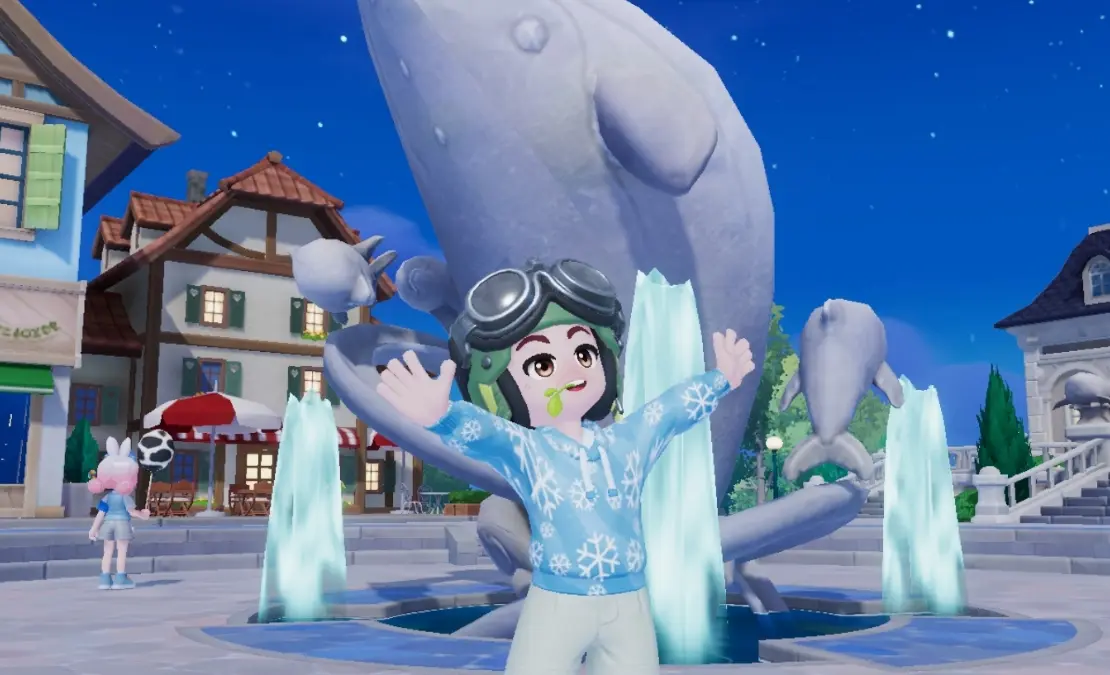
Heartopia’s art direction leans heavily stylized. Characters sport oversized expressive eyes, soft pastel palettes, and smooth animation work that feels polished for beta-stage content. Your avatar performs a subtle hop during movement that adds personality without visual noise. Costume changes trigger quick transformation sequences reminiscent of magical girl anime, a small flourish that never loses charm.
The town layout balances function and form. A central square houses clothing and furniture shops. Residential zones sprawl outward toward natural features like a lake populated with flamingos and ducks. NPCs wander on predictable paths while animals roam with semi-random behavior patterns. The aesthetic never reaches Animal Crossing’s handcrafted detail density, but it maintains visual coherence across biomes and interior spaces.
Character Creation: Mobile-First Flexibility
Customization offers multiple hairstyles, eye shapes, makeup options including freckles and under-eye definition, and starter outfits. The system lacks The Sims’ granular control over facial geometry, but for a mobile-first game, the variety impresses. My daughter and I built her character using combinations that felt distinct from default templates. The limitation appears in clothing colors, which currently lock to preset palettes rather than offering RGB sliders.
Housing follows Animal Crossing’s template selection model. You choose from several architectural styles at setup. I selected a rounded-roof cottage that aligned with the cozy aesthetic. The game animates your house construction, then populates it with starter furniture and a crafting workbench. Decorating uses a placement mode that lets you freely position, rotate, and arrange items. The controls took adjustment time. I accidentally triggered sleep animations while attempting furniture manipulation, revealing interface friction between mobile touch targets and PC mouse precision.
Progression Architecture: Hobby Gating Creates Structure
Heartopia differentiates itself through hobby unlocks. Instead of granting all activities from the start, the game requires expansion tickets earned by leveling your developer rank. Each hobby comes with a tutorial NPC, collection tracker, and reward pipeline.
Fishing unlocked first. An NPC named Vana teaches the mechanic, which mirrors Fae Farm’s timing system. You cast by holding a button, release when the line turns red, then repeat the hold-and-release pattern when fish bite. The simplicity works because the stress-free execution focuses attention on collection completion rather than mechanical mastery. Each fish logs into your compendium. You can display catches in decorative tanks or sell them for gold. Vana provides bait recipes that improve catch rates, creating a shallow but functional progression curve.
Gardening follows the same unlock pattern. Bob, another NPC, supplies plant boxes, seeds, and a watering can. You place boxes on your property, plant seeds, water daily, and harvest crops. The crops feed into cooking once that hobby unlocks or sell directly for gold. The interconnected nature matters. Fishing provides food and currency. Gardening supplies cooking ingredients and decorative flowers. Both hobbies populate your collection tracker, which rewards completionists with medals and cosmetic unlocks.
This gating structure prevents early-game overwhelm but introduces pacing friction. You cannot experiment with cooking or pet care until you grind contribution medals through resident requests. The delay feels intentional, designed to sustain daily login incentives rather than respect player autonomy over activity selection.
Resident Requests: Quest Board Meets Social Simulation
The request system functions as Heartopia’s core progression driver. Townspeople post tasks like “craft a repair kit” or “find my lost cat.” You complete these using hobby skills, then earn contribution medals and occasional rare recipes. The medals level your developer rank, which unlocks hobby expansion tickets and home upgrades.
Early requests teach systems naturally. I helped Vana repair his fishing rod, requiring branch gathering and workbench crafting. Later, I assisted Dorothy, the clothing shop owner, by sorting boxes and removing cat hair causing her allergic reactions. These quests introduce NPCs through light characterization while tutorializing game mechanics.
The system’s weakness appears in repetition. Requests cycle through similar objectives with cosmetic variation. “Gather X resource” or “craft Y item” dominate the quest pool. Without narrative branches or mechanical twists, the request board becomes a checklist rather than a story delivery mechanism.
Town Design: Functional Layout With Ambient Life
The town sprawls across several zones connected by a bus fast-travel system. Central square houses shops. Residential areas branch toward natural features. A lake hosts fishing spots populated by flamingos, ducks, and a black cat named Princess Stella who steals posters and causes NPC distress. I named her after my own cat, Toby, a personal touch that added immersion.
NPCs follow predictable patrol routes but react to player proximity with dialogue prompts. Animals wander with semi-autonomous behavior. The town feels inhabited rather than static, though it lacks Animal Crossing’s density of interactable objects or Stardew Valley’s seasonal transformation depth.
Monetization: Wishing Stars Raise Questions
Heartopia’s free-to-play model introduces Wishing Stars, a currency separate from gold. The beta didn’t clarify whether these are premium or fully earnable through play. I accumulated some via quest completion. The furniture store featured a Wishing Star section with time-limited cosmetic items.
Most furniture and clothing purchases use gold earned through fishing and crop sales. The Wishing Star items appeared cosmetic rather than gameplay-affecting. After several days of daily sessions, the monetization hasn’t felt aggressive. However, the full release could shift this balance. The closed beta scope prevents definitive judgment on whether progression gating exists to encourage premium currency purchases.
Platform Performance: Mobile-First Shows
I tested both PC and Android versions. The iOS version reached capacity before I could access it. Performance on PC runs smoothly with no frame drops or crashes during multiple sessions. Load times between zones average a couple seconds. The Android version on tablet felt smoother than PC, revealing the mobile-first design intent. Touch controls work naturally on mobile, while the PC version adapts them to mouse and keyboard with occasional control conflict friction.
The UI sometimes layers mobile prompts over PC controls, creating minor confusion. Navigation uses WASD or click-to-move, providing flexibility. However, you cannot sprint, making traversal feel deliberately paced rather than player-controlled. The bus fast-travel system mitigates this limitation once unlocked.


Audio design maintains cozy genre standards. Music stays relaxing and unobtrusive, suitable for extended sessions. Sound effects deliver cute charm without grating repetition. The fishing reel, crafting sounds, and footstep noises feel polished. No voice acting exists, standard for the genre.
Social Features: Light Competition Framework
The developer profile system lets you customize titles using prefix, connective, and suffix combinations. Mine reads “Dog Lover, Positive Energy, Creativity.” Other players can view your title and collected badges, creating light social comparison without direct competitive pressure.
A photo mode with emotes lets you capture town moments and save them to an in-game album. I didn’t explore multiplayer features, but the game’s structure suggests co-op or town visiting functionality might appear in the full release.
What Works: Structure Without Suffocation
The hobby system provides clear progression goals without overwhelming new players. Character and housing customization rival paid games in variety despite mobile-first constraints. The art style maintains charming consistency across environments. Tutorial pacing teaches systems naturally through resident requests rather than front-loading information dumps. Progression delivers constant unlocks and collection entries that satisfy completionist impulses.
What Needs Polish: Control Friction and Pacing
The controls sometimes conflict between mobile and PC input expectations. Lack of sprint functionality makes traversal feel slower than necessary. The UI doesn’t always clearly explain mechanics. I discovered furniture placement controls through accidental experimentation rather than clear tutorial guidance. These issues feel addressable through beta feedback iteration.
The larger question centers on free-to-play monetization evolution. If Wishing Stars become prohibitively expensive or gate progression content, the cozy vibe collapses under premium pressure. The beta suggests the developers understand this balance, but the full release determines whether that restraint holds.
Closed Beta Verdict: Promising Foundation With Monetization Uncertainty
Heartopia delivers cozy life simulation charm through hobby-based progression that creates structure without overwhelming complexity. The mobile-first design translates reasonably to PC despite occasional control friction. Character customization and housing decoration rival paid genre entries in variety and flexibility.
The hobby unlock system works because it channels attention toward mastering interconnected systems rather than scattering focus across too many simultaneous activities. Fishing feeds into cooking. Gardening supplies decorative options and ingredient stores. The collection tracker rewards completionists with tangible progression markers.
However, the closed beta scope prevents definitive evaluation of free-to-play fairness. Wishing Star monetization could remain cosmetic and unobtrusive or evolve into aggressive progression gating. The repetitive resident request structure needs narrative variety to sustain long-term engagement. Control refinement would benefit PC players experiencing mobile-to-desktop adaptation friction.
For Animal Crossing fans seeking a PC or mobile alternative, Heartopia offers familiar satisfaction with hobby unlock structure that differentiates it from direct clones. For Stardew Valley enthusiasts, the multi-system progression provides comparable depth despite simpler mechanical execution. At free-to-play pricing, the risk feels minimal. The closed beta convinced me to continue through full release, the highest endorsement for a monetization model historically prone to predatory design.