
Canadians Rally Against Censorship by Payment Gateways
A growing debate is playing out in Canada’s gaming scene. A government petition asks Parliament to curb how payment processors police the kinds of games people can buy online. The push is led by local voices who fear money companies are quietly shaping what creators may release.
Who started the push and why now?
At the end of August, Carmen Tam, based in Waterloo, Ontario, started the petition. She teamed up with Liberal MP Bardish Chagger to bring attention to a problem that hurts small studios. Their aim is simple: stop payment firms from blocking legal games we want to buy.
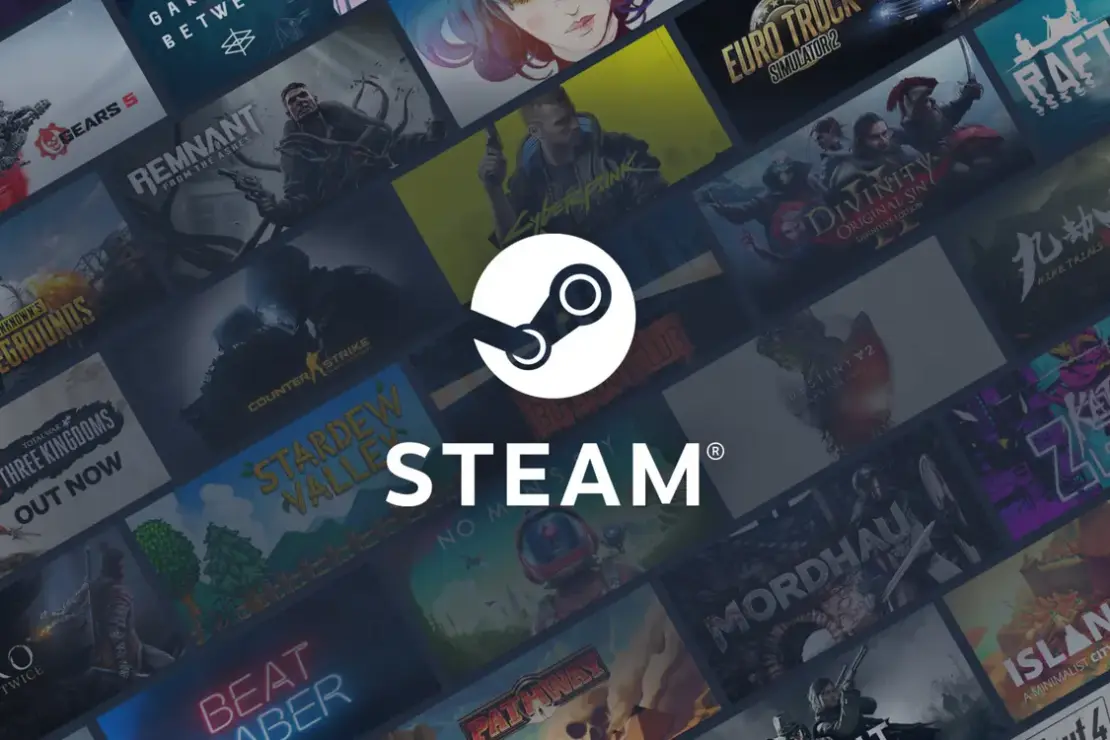
The move comes after big names like Visa and Mastercard began blocking certain payments from stores such as Steam and Itch.io. The trigger was a pressure campaign from a group in Australia, known as Collective Shout, which fights what it calls explicit content.
The Canadian petition says the term “adult only” is not clearly defined. That vagueness has pressed many games off storefronts. In short, thousands of games have been left without a place to be bought or shown.
The impact on developers and artists
CBC has highlighted cases where games fall under the hammer without clear rules. A teen romance comedy and an art book from the 1920s, both devoid of sexual content, were blocked. This shows how the policy can hit creators who do not deserve harm.
Critics argue that the moves hurt more than just one game. They hit minority creators who rely on small sales to stay afloat. The fear is that the gatekeepers—paid payment firms—can pull a project from view for reasons that are unclear or unfair.
Supporters call this a matter of free expression. When private firms control what people can buy, some worry the door opens to broad censorship. It is a tricky dance between removing harmful content and stifling ideas some groups dislike.
What the petition demands
The petition asks the House of Commons to act on several fronts. First, it calls for an end to what it sees as financial discrimination by payment platforms against legal goods and services. Second, it asks for clear, open notes to shoppers about how restrictions work and why. Third, it seeks protection for creators’ rights to make legal content and a fair way to appeal if a title is penalized.
Those points aim to restore some balance. They focus on transparency, fair treatment, and a path back for creators who feel boxed in by payment rules.
Where things stand right now
Around 4,000 people have signed the petition so far. The House of Commons page hosts the official text and updates as the process moves forward. In the gaming world, developers and fans have used social media to urge people to contact payment processors like Visa and ask them to rethink these bans.

This situation puts a spotlight on how much power a payment middleman can hold. It also shows how fast a policy change can ripple through culture, not just sales. For makers of games and other creative works, the stakes are real: a halt in sales can slow a project to a crawl.
A broader view on policy and art in games
Supporters argue that Canada should protect creators who make legal content. They say consumers deserve to know what is blocked and why. The case echoes wider debates about how much public bodies should steer what can be sold online. It also touches on the role of private firms in upholding or curbing expression.
Opponents worry about keeping harmful material from the market. They warn against a slippery slope where private firms decide too much about what people can purchase. The tension here is not just money. It is about who gets to decide what art, stories, and ideas reach an audience.
What this means for players and studios
For players, this adds a new layer to how they shop for games. It makes some wonders about the future: will more titles fade out because they cannot pass a payment gate? For studios, the issue brings the need for new plans. They may look for other ways to reach fans while staying within the rules.
No single policy can fix every edge case. Still, the petition’s call for clarity and fair checks is a clear sign. It asks lawmakers to push for open rules and better chances for creators to defend their work. The hope is to keep online markets fair, open, and more predictable.
Please note that when you make a purchase through our links at GameHaunt, we might earn a small commission. This helps us keep bringing you the free journalism you love on our site! And don’t worry, our editorial content remains totally unbiased. If you’d like to show some support, you can do so here.