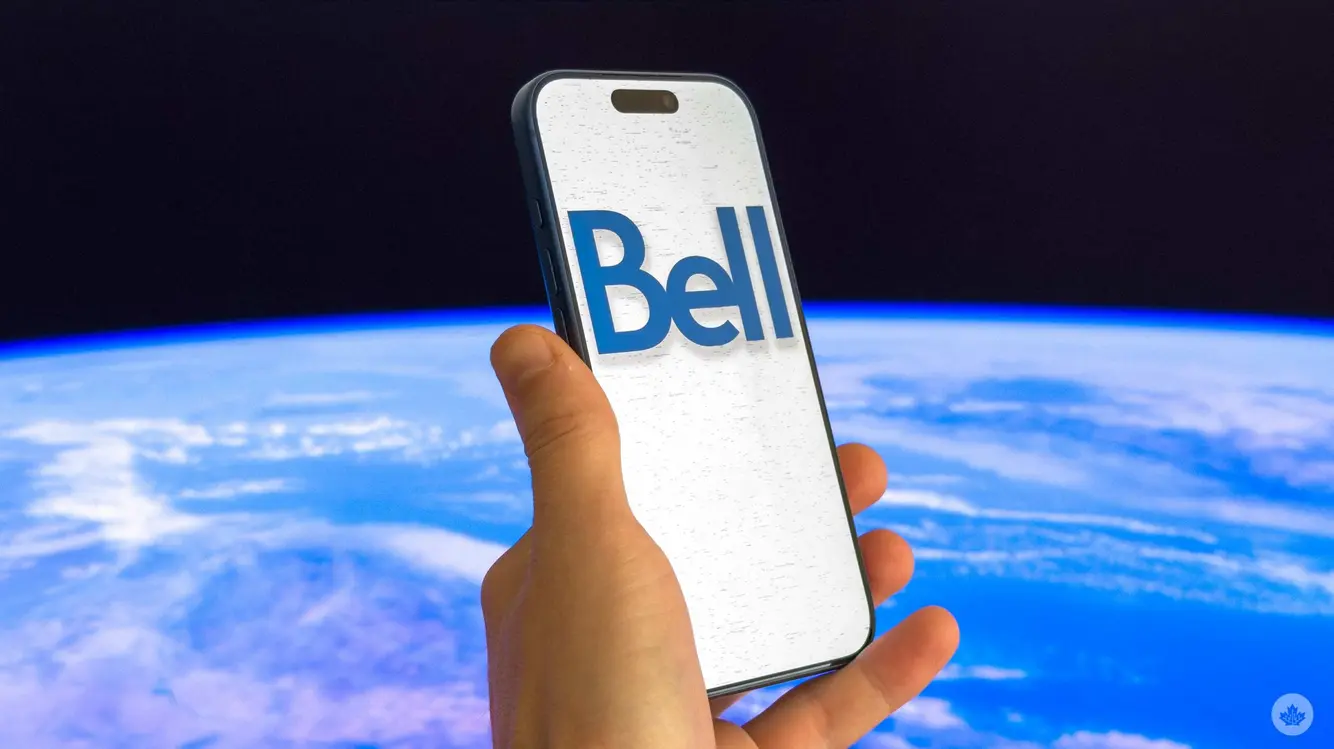

<h2 Bell Moves to Space for Canada’s Cell Network
Bell Mobility is set to bring a satellite link to its mobile service next year. The plan starts with a trial, then a paid offering for everyday users. This path mirrors a shift seen in other big players, but Bell is taking a different route with AST SpaceMobile.
<h2 Who’s in the Sky Now: The Players and the Tech
Rogers has already shown interest in a satellite approach. Apple is testing its own path with a satellite partner, using low Earth orbit satellites. All three teams aim to cover phones where signals dip, by tapping LEO satellites for direct-to-device links.
Bell’s move is unique. It teams up with AST SpaceMobile, a Texas-based company working on satellite-to-cell tech. While Rogers leans on Starlink satellites and Apple leans on Globalstar tech, Bell sticks with AST SpaceMobile for this Canada-focused effort. The core idea across all efforts is the same: reach phones from space when towers fade away.
<h2 What Bell Has Already Done and What’s Next
Bell has announced the partnership and run field tests. But there’s a hitch: SpaceMobile needs to launch more satellites to complete a usable Canadian constellation. Bell already has the spectrum on hand. It just needs the green light from regulators to shift from regular cell service to satellite-compatible links.
In Bell’s own words, the company will use a slice of lower-band spectrum to try and lock in a stronger connection. Whether that region truly delivers better coverage will show up in real-world tests. A key benefit kept front and center is data staying inside Canadian borders. All traffic would route through Bell stations in Canada, keeping information on home turf.
<h2 Prices, Plans, and How the Market Might Shift
The big question remains money. Rogers currently charges about $15 per month for satellite-to-cell access. That price point sets a kind of floor for the market. Bell’s price could land similarly, though timing and competition will shape the final numbers.
Apple’s model adds a twist. On many iPhone releases, users enjoy two years of satellite service free with the device. Starlink has yet to roll out a consumer, direct-to-cell plan, so price competition in that area remains theoretical for now.
As Bell gets closer to launch, we’ll see if Apple or Starlink can edge ahead. Apple’s strong device ecosystem could help, but the lack of a broad consumer plan makes it a tough race to win on price alone. Starlink’s approach has a different road, since it must scale a large network and work with carriers before matching a phone-to-sky plan.
<h2 The Carrier Angle: How Rogers Might Respond
Rogers could extend its reach beyond simple texts. If Bell’s satellite plan takes off, Rogers may push into calls and even streaming tools via satellite links. This would align with what other regions expect from satellite-to-cell projects. The idea is to give customers more ways to stay connected, even far from the closest towers.
Yet the business tie-ins add a twist. Rogers works with Starlink tech as part of its own satellite strategy, so Starlink’s path in Canada is linked to a long-running partner of the carrier. That setup makes a big pricing move less likely to happen overnight. Still, customers will notice if plans become easier to use or cheaper to run.
<h2 A Fresh Take on a Old Challenge: Connecting Everywhere
All three efforts rely on low-Earth orbit satellites. The aim is simple: keep calls, texts, and data flowing where cellular towers fade away. The big promise is seamless coverage, no matter if you are in a remote corner of the country or on a road with a patchy signal.


Bell’s approach centers on Canada. It emphasizes keeping data in country channels and using a spectrum slice that could improve reliability. If the tests succeed and regulators approve, Bell could roll out a service that feels like an extra antenna in your pocket.
<h2 What This Means for Everyday Players
For everyday users, satellite-to-cell links promise fewer dead zones. It could mean faster rescue messages in remote areas and better connections while commuting through wide open spaces. The real win comes when a plan is easy to buy and simple to use, with no extra hoops to jump through.
The coming year will show how Bell’s trial plays out and when the public can buy in. It will also reveal how Apple and Starlink position their own offerings against traditional carriers. The best outcome is clear: options multiply, and you won’t have to rely only on ground towers during the jump to reach your friends or finish a game session without a hiccup.
Closing thoughts: the sky is not the limit, but a new way to stay linked is on the horizon. As Bell tests with AST SpaceMobile, players and households alike will be watching how fast, how affordable, and how reliable satellite-to-cell can become part of everyday life.
Please note that when you make a purchase through our links at GameHaunt, we might earn a small commission. This helps us keep bringing you the free journalism you love on our site! And don’t worry, our editorial content remains totally unbiased. If you’d like to show some support, you can do so here.