
Sony’s DMCA move stifles a hopeful Concord revival by fans
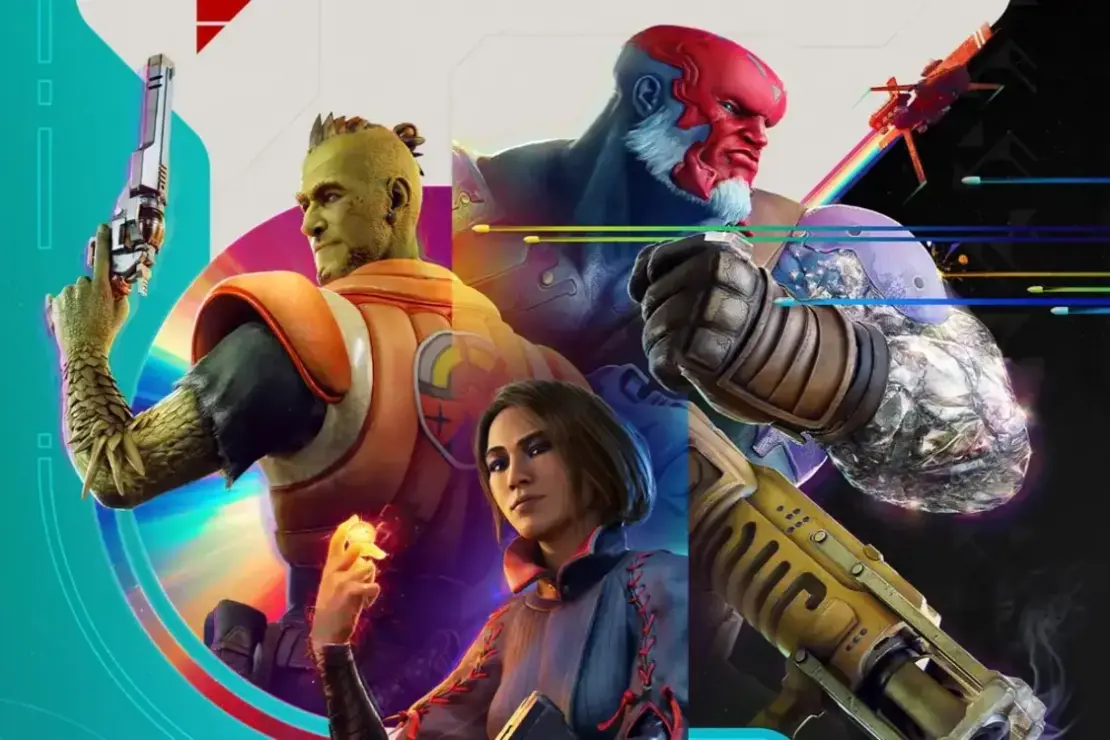
Sony has sent DMCA notices and pressed legal moves to halt a fan run meant to bring back Concord. The long-quiet shooter vanished from shelves just two weeks after its PS5 and PC debut. Weak sales led to a swift pull from stores. A small team of fans then tried to revive the game by reworking the server code. They got the main menu, the player select, and quick matches working on private servers.
Fan group patience and careful steps, but pressure from Sony lands hard
The Concord Delta Discord served as the hub for the effort. The crew kept to safe lines and only hosted players who owned a real copy. They also deleted posts that shared game files. Still, Sony moved to claim copyright against videos that showed the project in action on YouTube and other sites. The legal push was strong enough to pause invites for the time being, at least for now.
What went wrong for Concord in the first place
Concord was built by Firewalk Studios, a developer tied to Sony. It arrived with little fanfare and sold poorly. The game moved off shelves just days after launch, with fewer than 25,000 copies sold. This fast shutdown drew talk in a UK Parliament debate. Lawmakers used the case to argue for better rules on keeping old games and who owns the rights after servers go dark.
Why this matters for players today
The tale asks who really owns a game once its online side ends. Fans want to keep titles alive, yet the law often leans toward the maker. The clash shows how hard it is to keep old games accessible when servers shut down. It also puts a light on how studios guard their IP even as fans share love for a classic.

What could come next for fans and the games industry
This episode shows how far a company will go to guard its IP. Fans may slow or end such revivals, while studios might soften rules to save a game that fades away. The clash may push lawmakers to look at digital ownership and access rules. The goal is to find fair paths that honor both creators and fans who want to keep a game alive.


A closer look at the larger picture for gaming
The Concord case touches on how people value games after they disappear from sale. It raises a clear question: can a game live on through fan work, or does it vanish with the servers? The answer may shape how future fan projects approach old titles. Expect more talk about how to handle archived works and what rights stay with players and fans.
Charting a path forward for preservation and access
As the heat around Concord cools, the scene calls for practical steps. Fans need clear rules that protect them when they want to keep a game playable. Studios must decide how to handle legacy titles without stifling creativity. The balance will guide how games are saved and shared for years to come.
Please note that when you make a purchase through our links at GameHaunt, we might earn a small commission. This helps us keep bringing you the free journalism you love on our site! And don’t worry, our editorial content remains totally unbiased. If you’d like to show some support, you can do so here.