
Sony Takes a Stiff Stand Against a Concord Revival
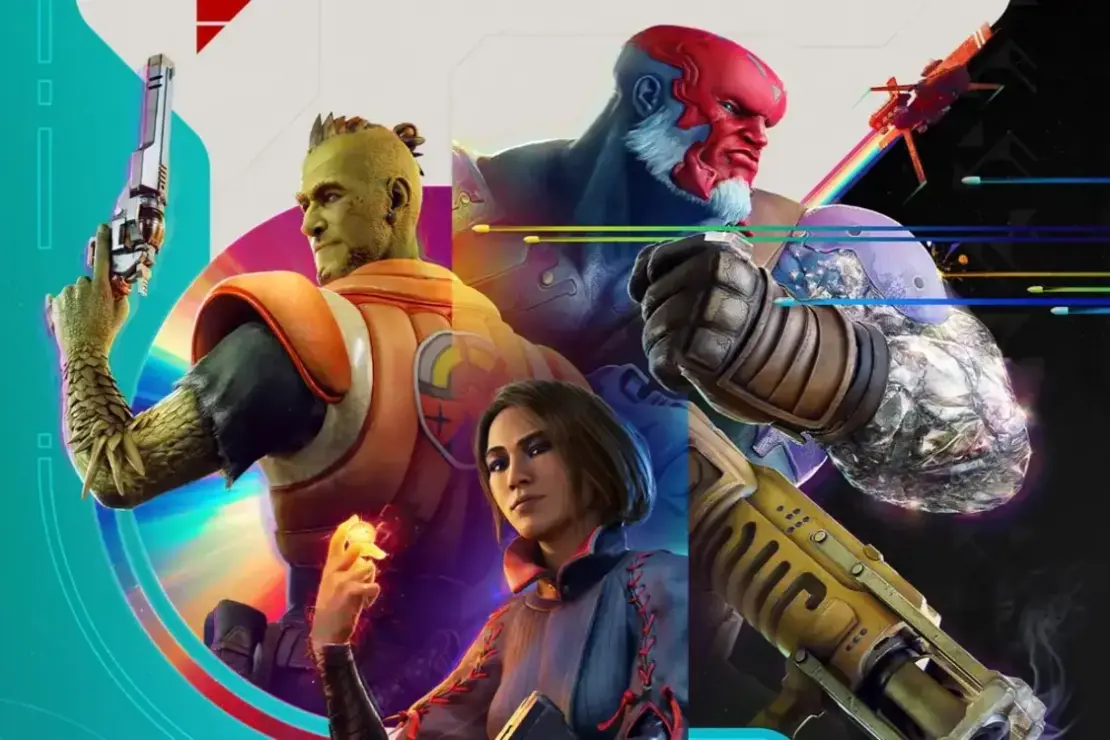
Sony has filed DMCA notices to block a fan project trying to bring back Concord. The short‑lived shooter hit PS5 and PC, then vanished because of weak sales. A group of fans aimed to restore the game by reworking the server so players could see the main menu, pick characters, and match up on private servers.
A Fan Team Keeps It Clean and Cautious
The Concord Delta Discord hosts the revival plan, and the team took clear steps to stay on the right side of the law. They only invited players who owned the game files from an genuine original purchase. They also removed any posts that shared copyrighted files. Still, Sony asked for copyright takedowns, not just on a site, but on videos showing the project in action. Those legal moves stopped the revival for now, and one developer said invites would have to pause for the time being.
What Went Wrong for Concord at Launch
Concord was built by Firewalk Studios, a studio owned by Sony. It was a live-service shooter that struggled in the market. The game sold under 25,000 copies before Sony pulled it from sale. Its sudden end drew attention in a UK House of Commons debate. The discussion used Concord as an example to talk about how players should better own and keep digital games.
Why This Case Sparks Talk About Preservation
Fans have long hoped to keep games alive after servers shut down or stores close. Concord’s case shows how hard it is to revive a service game when big publishers lean on legal tools. The clash pits fans who want to play old favorites against studios guarding their IP. It also shines a light on what happens to game access once a product goes out of print.
What This Means for Future Fan Projects
The Concord effort shows two paths. One path is careful projects that respect copyright and do not post illegal files. The other path is a bold move that invites legal risk. Fans who want to pin their hopes on revivals must weigh legal limits against the desire to keep a game playable. Studios, for their part, may look at these attempts and see both risk and influence in how digital titles are treated after launch.



A Look Ahead for Players and Creators
As online games come and go, the debate grows about how to preserve titles that disappear from shelves. Communities may need clearer rules and easier ways to access classic games without inviting illegal sharing. At the same time, publishers could offer safer routes to re-release or remaster older titles with proper permissions. The balance matters for fans who want to keep memories alive without crossing lines.
Keeping a Curious and Honest Community
What’s clear is that fans care deeply about games beyond their first days on shelves. They want to share discoveries, keep servers alive, and exchange tips. Yet they must navigate legal risks and protect creators’ rights. The Concord episode is a reminder that passion must sit beside law and respect for ownership. When fans and publishers meet, there’s room for thoughtful, safe experiments that benefit both sides.
What to Watch Next
Keep an eye on how publishers approach fan-made projects. Look for new rules, better tools for preservation, and open dialogue about digital ownership. The stories from Concord show a world where games live on in memories even after servers close.
Please note that when you make a purchase through our links at GameHaunt, we might earn a small commission. This helps us keep bringing you the free journalism you love on our site! And don’t worry, our editorial content remains totally unbiased. If you’d like to show some support, you can do so here.